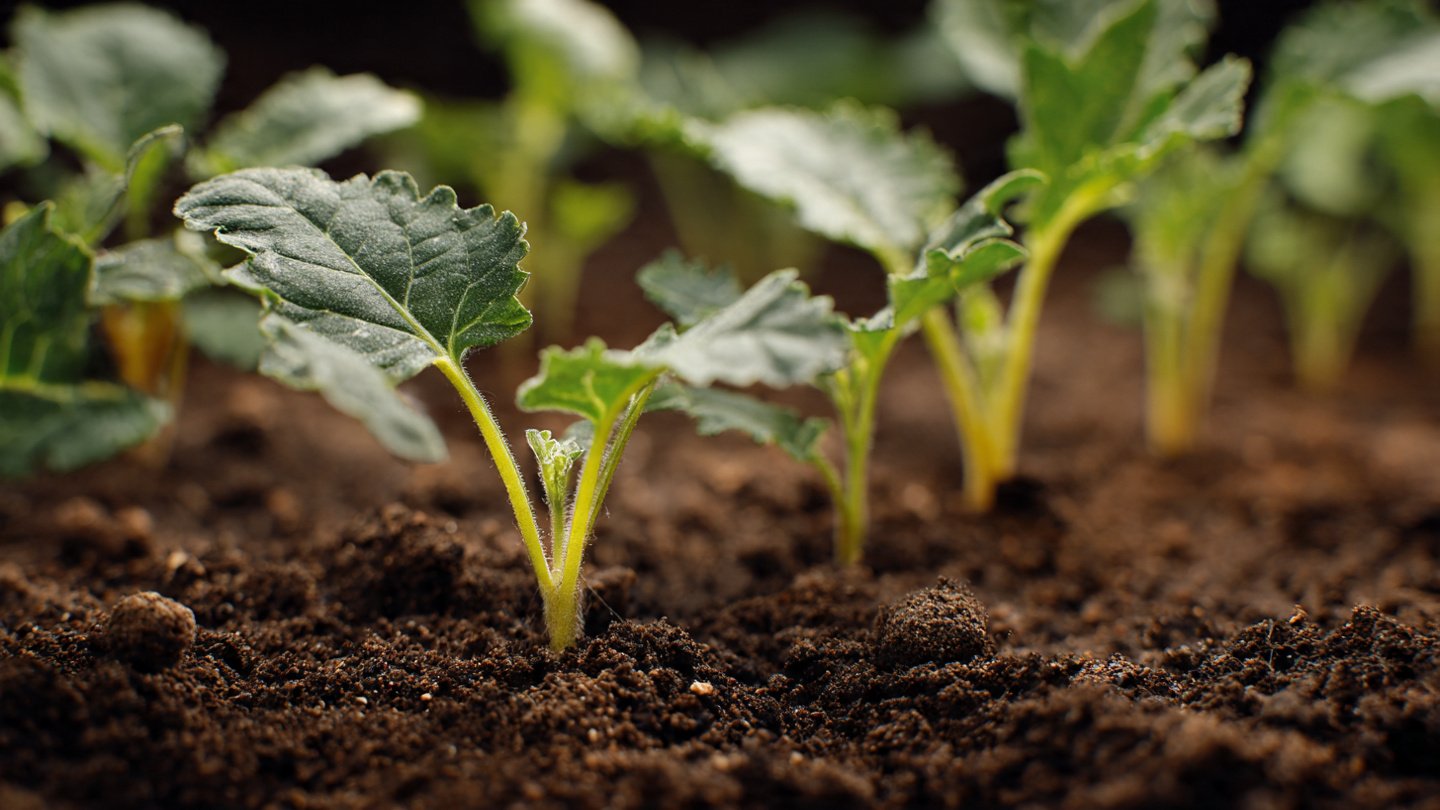
Growing plants can be a rewarding hobby, or a necessary activity for agricultural practices, yet many factors can lead to unexpected stagnation in growth. Understanding these factors enables gardeners and farmers alike to troubleshoot problems effectively and ensure that plants thrive. This article addresses some of the most common reasons why plants may stop growing and offers insights into potential solutions.
1. Environmental Factors
Plants are highly sensitive to their surrounding environment. Factors such as temperature, light, humidity, and air quality can significantly influence their growth. If a plant stops growing unexpectedly, the following environmental variables should be investigated:
Latest Posts
- How to Use Invisible Wire for a Stunning Climbing Plant Wall
- Are Your Garden Tools Making Your Plants Sick?
- How to Style a Small Studio with Columnar Cacti
- Why Is My Zucchini Shaped Like a Lightbulb?
- How to Protect Your Fruit From Birds Without Nets
- How to Keep Squirrels Away from Your Fruit Trees
- How to Protect Your Fruit from Birds Without Nets
- Why Biochar Is a Game-Changer for Your Kitchen Garden
- Why Some Rare Cacti Bloom Only One Night a Year
- How to Grow Rare Blue Strawberries at Home
- Temperature: Most plants thrive within specific temperature ranges. Extreme heat or cold can lead to stunted growth or dormancy. For instance, tropical plants may stop growing if exposed to temperatures below 50°F (10°C).
- Light: Insufficient sunlight can hinder photosynthesis, the process plants use to create energy. Conversely, excessive sunlight can cause leaf burn, making it crucial to find a suitable balance.
- Humidity: Inadequate humidity may cause plants, especially tropical varieties, to experience stress. Conversely, too much humidity can lead to fungal infections.
- Air Quality: Polluted air or exposure to toxins can create long-term damage to plant health, resulting in halted growth.
2. Watering Issues
Watering is essential for healthy plant growth, but both overwatering and underwatering can lead to problems:

- Overwatering: Excess water can lead to root rot, limiting the plant’s ability to absorb nutrients and oxygen. It’s important to ensure proper drainage and to let the soil dry out between watering sessions.
- Underwatering: Insufficient water can cause the plant to dehydrate, leading to wilting and eventual death. Factors such as high temperatures can increase the water needs of plants.
3. Nutrient Deficiency
Nutrients are vital for plant growth, and deficiencies can lead to poor performance. Key nutrients include:
- Nitrogen: Crucial for leaf growth, a deficiency can lead to yellowing of leaves.
- Phosphorus: Essential for root development and energy transfer; deficiency may stunt growth and lead to dark green or purplish leaves.
- Potassium: Important for overall plant health; lack of potassium can make plants more susceptible to diseases.
Regular soil testing can help identify nutrient deficiencies, allowing for targeted fertilization.
4. Pests and Diseases
Pests and diseases can have devastating impacts on plant growth. Symptoms of infestation or disease include:
- Wilting leaves
- Discoloration or spots on leaves
- Visible pests, such as aphids, spider mites, or caterpillars
Regular inspection and early intervention are key to managing pests and diseases. Utilizing organic pesticides or introducing beneficial insects can also help control problems naturally.
5. Soil Quality
The quality of the soil is paramount for robust plant growth. Factors related to soil include:
- pH Levels: Most plants prefer a pH level between 6.0 and 7.5. Soil that is too acidic or too alkaline can hinder nutrient availability.
- Soil Texture: The balance of sand, silt, and clay affects water retention and root penetration. Sandy soils drain quickly but may not hold nutrients, while clay soils can retain water but become compact.
- Organic Matter: Amending soil with compost or other organic materials can improve structure and nutrient content.

6. Genetic Factors
Sometimes, the issue may lie in the genetics of the plant itself. Varietal differences can result in various growth responses. Some plants may have inherent limitations regarding growth speed or size, making it crucial to choose the right variety for specific growing conditions and goals.
7. Transplant Shock
Transplanting can cause shock, leading to halted growth as plants adjust to their new environment. Factors involved in transplant shock include:
- Damage to roots during the process
- Differences in soil composition and drainage between original and new locations
- Changes in light exposure or water availability
To reduce transplant shock, it’s recommended to acclimate plants gradually to new conditions and to handle roots carefully during relocation.
Conclusion
Understanding the various factors that can cause plants to stop growing unexpectedly is vital for successful gardening and agriculture. From environmental conditions and watering practices to soil quality and pest management, each element plays a crucial role in plant health. By staying observant and proactive, growers can identify and address issues early, ensuring that plants receive the care they need to thrive. A comprehensive approach that considers all these factors will not only improve growth but also enhance the overall health of the plants and the gardening experience.
FAQs
1. Why are my plant leaves turning yellow?
Yellowing leaves can indicate several issues, such as nutrient deficiencies, overwatering, or inadequate light exposure. Assess all environmental factors to determine the cause.
2. How can I tell if my plant needs water?
Check the soil moisture by inserting your finger about an inch into the soil. If it feels dry, it’s time to water. Ensure proper drainage to avoid overwatering.
3. What is the best way to treat pests on my plants?
Identifying the pest accurately is key. You can use insecticidal soaps or organic solutions like neem oil. Introducing beneficial insects like ladybugs can also provide natural pest control.
4. How often should I fertilize my plants?
The frequency of fertilization depends on the type of plant and soil quality. Generally, incorporating fertilizer every 4-6 weeks during the growing season is recommended. Regular soil testing will help tailor your approach.
5. Can I grow indoor plants without sunlight?
While most indoor plants prefer natural light, some varieties can thrive in low-light conditions. Consider using artificial grow lights to supplement their needs when natural light is insufficient.