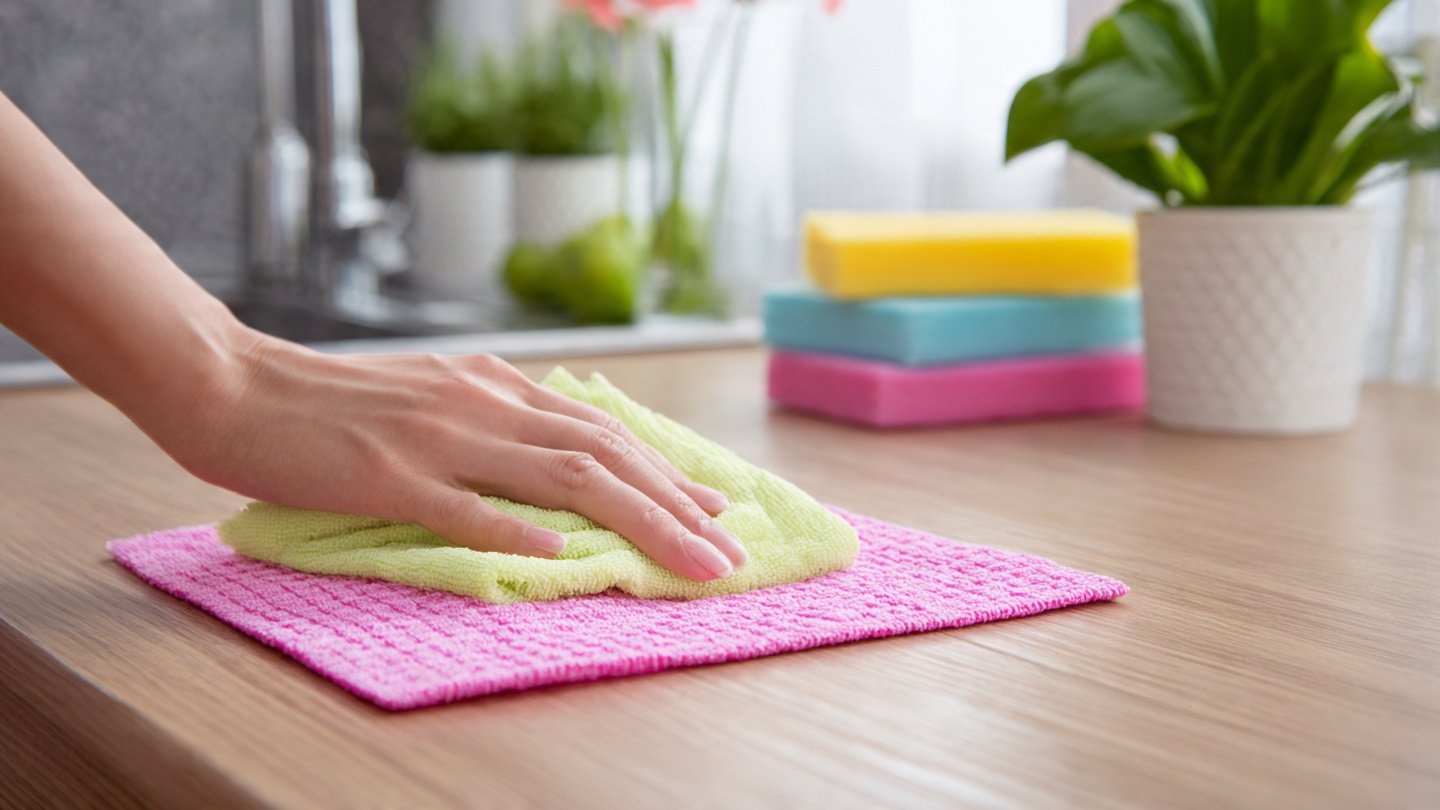
When it comes to maintaining a clean and healthy kitchen, many homeowners focus on high-traffic areas, countertops, and various appliances, but one essential item that often gets overlooked is the kitchen mat. Kitchen mats serve a dual purpose: they enhance comfort while standing for long periods and protect the floor from spills and debris. However, if not cleaned properly, these mats can quickly become breeding grounds for germs and bacteria. In this article, we’ll explore common cleaning mistakes associated with kitchen mats and offer guidance on how to keep your kitchen environment safe and hygienic.
The Importance of Kitchen Mat Hygiene
1. High Germ Count
Latest Posts
- How to Use Invisible Wire for a Stunning Climbing Plant Wall
- Are Your Garden Tools Making Your Plants Sick?
- How to Style a Small Studio with Columnar Cacti
- Why Is My Zucchini Shaped Like a Lightbulb?
- How to Protect Your Fruit From Birds Without Nets
- How to Keep Squirrels Away from Your Fruit Trees
- How to Protect Your Fruit from Birds Without Nets
- Why Biochar Is a Game-Changer for Your Kitchen Garden
- Why Some Rare Cacti Bloom Only One Night a Year
- How to Grow Rare Blue Strawberries at Home
The kitchen is one of the most used areas in the home, often with food preparation occurring several times a day. Naturally, this leads to spills, crumbs, and other messes that can attract pests and promote bacteria growth. Kitchen mats accumulate these remnants over time, making them a hotspot for germs. Regular cleaning is essential to mitigate this risk.
2. Fabric Material Matters
Kitchen mats come in various materials, including rubber, vinyl, and fabric. Each material requires specific care to avoid damage and ensure effective cleaning. Understanding how to clean your mat according to its material is crucial in preventing harmful bacteria from setting in.
Common Kitchen Mat Cleaning Mistakes
1. Neglecting Regular Cleaning
One of the gravest errors people make is neglecting to clean their kitchen mats regularly. Over time, crumbs and spills build up, leading to increased bacteria and germ growth. Depending on the traffic and usage in your kitchen, mats should be cleaned at least once a week.

Solution: Set a cleaning schedule. Mark your calendar or set a reminder on your phone to clean your mats weekly. This simple step will significantly reduce bacteria buildup.
2. Using the Wrong Cleaning Supplies
Every material has its cleaning preferences. Using harsh chemicals on mats that aren’t designed to withstand these agents can not only damage the mat but can also leave residues that attract more dirt.
Solution: Always check the care label on your mat for specific cleaning instructions. For fabric mats, mild soap and warm water are usually best, while rubber mats can often be cleaned with vinegar and water.
3. Ignoring Stains
Many people believe that a once-over clean eliminates all germs. However, stains can harbor bacteria. Ignoring stains can result in long-term damage and a persistent odor that repels rather than invites.
Solution: Address stains immediately with appropriate products. For fabric mats, sprinkle baking soda on the stain and let it sit for a few hours before vacuuming it away. For rubber mats, use a soft scrub brush with soapy water to tackle tough stains.
4. Not Vacuuming First
Assuming that mopping or scrubbing will suffice without vacuuming can lead to a greater mess. Larger particles, like crumbs or dirt, can scratch the mat’s surface or get pushed further in, making them harder to clean.

Solution: Always vacuum or shake out the mat before deep cleaning. This helps remove debris, preventing it from embedding in the fibers or rubber backing.
5. Over-Wetting the Mats
Excess moisture can be detrimental, especially for fabric mats. Too much water can lead to mold and mildew growth, which is the last thing you want in your kitchen.
Solution: When cleaning, opt for a damp cloth rather than soaking the mat. Ensure it’s completely dry before placing it back down. If your mat is washable, follow the manufacturer’s instructions for washing and drying.
6. Forgetting the Area Around the Mat
One common oversight is focusing solely on the mat itself while neglecting the surrounding area. The floor around the mat also collects food particles and spills, creating a fertile ground for bacteria.
Solution: When cleaning your kitchen mat, take the time to sweep and mop the surrounding area. This holistic approach keeps the entire space cleaner and more hygienic.
7. Not Following Manufacturer Instructions

Manufacturer instructions are designed to ensure the longevity of your kitchen mat. Every material has different needs, and disregarding these can lead to premature wear and tear.
Solution: Always refer to the manufacturer’s suggestions for cleaning. This ensures that you maintain the integrity of the mat while effectively removing germs.
8. Reinserting a Dirty Mat
Placing a freshly cleaned mat back onto a dirty floor negates your hard work. Furthermore, any lingering dirt will eventually transfer back to the mat.
Solution: Always ensure the floor underneath the mat is clean before reinserting it. This will help maintain a hygienic space and prolong the life of your kitchen mat.
9. Skipping Professional Cleaning
Although home cleaning can be effective, some mats may require professional deep cleaning, particularly those made from sensitive or heavy-duty materials. Enzymatic residues in homemade solutions can become traps for dirt if not thoroughly rinsed.
Solution: If your mats are particularly stained or if they’re made from delicate materials, consider professional cleaning once or twice a year. Quality cleaning services use specialized techniques and machines to deeply clean and sanitize.

10. Not Using a Mat with Anti-Microbial Properties
While this is not a cleaning mistake per se, it does contribute to germ retention. Some mats contain anti-microbial properties that minimize bacterial growth. Ignoring this aspect during your initial mat purchase can lead to continuous hygiene issues.
Solution: When choosing a kitchen mat, explore options with anti-microbial treatments. These mats can help prevent bacteria growth right from the start.
Additional Tips for Maintaining a Germ-Free Kitchen Mat
1. Rotate Your Mats
If you have multiple mats, consider rotating them regularly. This prevents excessive wear on a single mat while allowing each to air out.
2. Use a Mat with a Non-Slip Backing
A slip-resistant mat not only improves safety but also ensures that the mat stays in place, reducing the chances of crumbs getting trapped underneath.
3. Educate Family Members
Make sure everyone in the household understands the importance of keeping the kitchen area, including mats, clean. A collective effort can keep the kitchen hygienic.

4. Implement a No-Shoes Policy
Consider enforcing a no-shoes policy in the kitchen. Shoes often carry dirt and bacteria from the outside world, contributing to the mat’s quick degradation.
5. Combine Kitchen Cleaning Routines
Integrate the cleaning of kitchen mats into your broader kitchen cleaning routine. When you clean counters or appliances, include the mats to maintain an overall level of hygiene.
Conclusion
Keeping your kitchen clean goes beyond just wiping surfaces and washing dishes. It involves a thorough understanding of how often and effectively to wash your kitchen mats. Avoiding common mistakes can significantly reduce the germ presence in your kitchen environment, paving the way for a healthier cooking space. By making small adjustments—and by being diligent with your cleaning process—you can maintain a beautiful, sanitary kitchen that keeps your family safe and healthy. Remember, a clean kitchen is a happy kitchen!