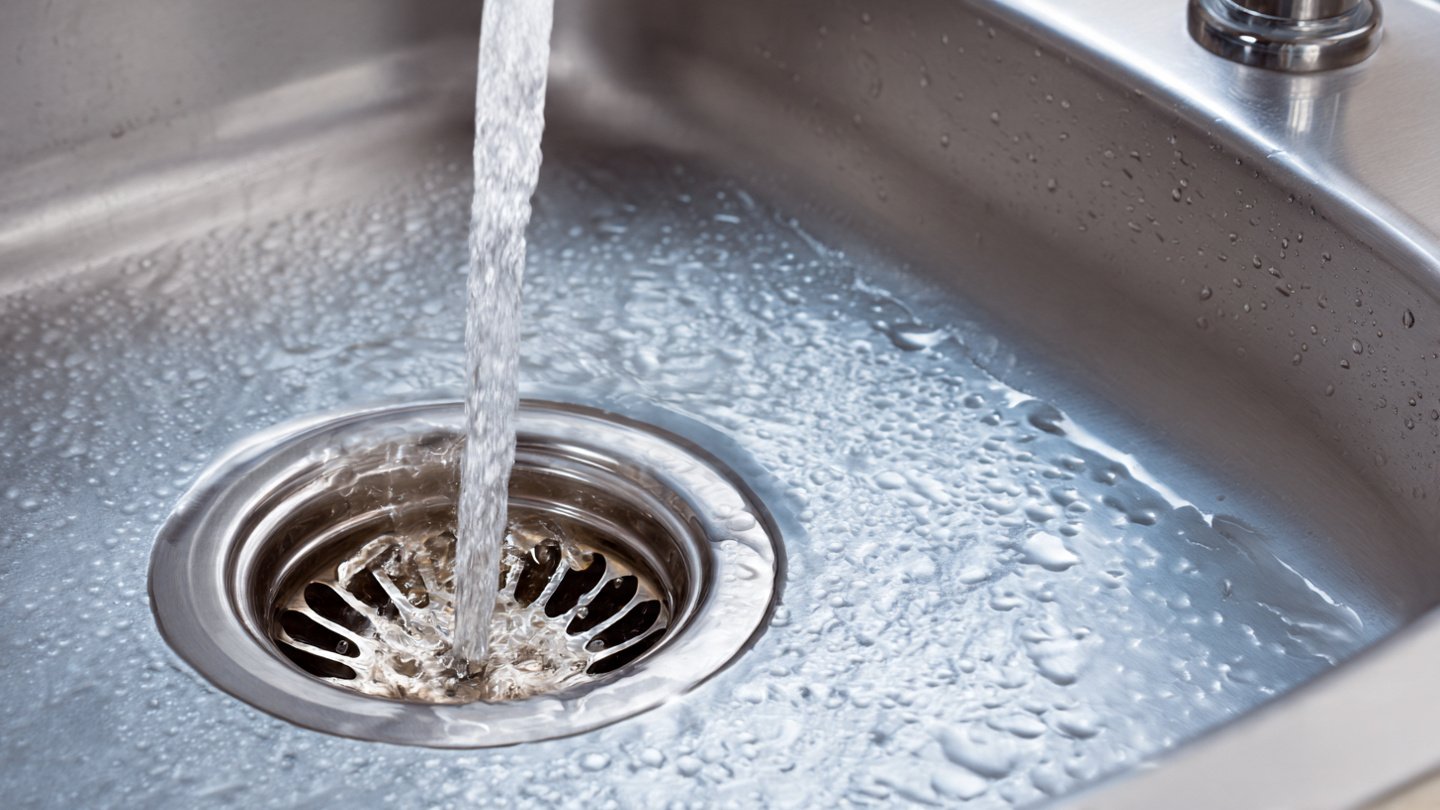
Kitchen drains are crucial for the smooth operation of any household. However, they often fall victim to clogs that can lead to unpleasant odors, slow drainage, and serious plumbing issues. Addressing these clogs often requires plumbing expertise, but understanding the common causes can empower homeowners to take preventive measures. In this article, we will explore the frequent causes of kitchen drain clogs and provide some practical solutions to mitigate these issues.
1. Food Scraps
The Primary Culprit
Latest Posts
- How to Use Invisible Wire for a Stunning Climbing Plant Wall
- Are Your Garden Tools Making Your Plants Sick?
- How to Style a Small Studio with Columnar Cacti
- Why Is My Zucchini Shaped Like a Lightbulb?
- How to Protect Your Fruit From Birds Without Nets
- How to Keep Squirrels Away from Your Fruit Trees
- How to Protect Your Fruit from Birds Without Nets
- Why Biochar Is a Game-Changer for Your Kitchen Garden
- Why Some Rare Cacti Bloom Only One Night a Year
- How to Grow Rare Blue Strawberries at Home
One of the most common reasons for clogged kitchen drains is food scraps. Many people rely on their garbage disposals to handle leftovers, but not all food is suitable for this appliance. Fibrous materials like celery, corn husks, and potato peels can easily wrap around the blades and slow the disposal’s efficiency.
Best Practices
- Scrape Plates: Before rinsing dishes, scrape off food remnants into the trash rather than down the sink.
- Use the Disposal Correctly: If you have a garbage disposal, only put items in there that it can handle.
2. Grease Buildup
A Sticky Situation
Grease and fats are toxic to kitchen plumbing. When you pour oil or greasy substances down the drain, they can coagulate as they cool, sticking to the pipe walls and causing blockages over time.

Best Practices
- Avoid Pouring Grease Down the Drain: Use a container to collect used grease and dispose of it in the trash.
- Wipe Down Cookware: Before washing pots and pans, wipe off excess grease with a paper towel.
3. Soap Residue
Hidden Obstructer
Many people are not aware that soap can also contribute to drain clogs. Soap scum forms when soap interacts with hard water minerals. This residue can accumulate over time, narrowing the drain and increasing the potential for clogs.
Best Practices
- Use Liquid Soap: Liquid soaps tend to leave less residue than bar soaps.
- Regular Cleaning: Periodically clean your sink and drain using a mixture of baking soda and vinegar to help dissolve any built-up soap scum.
4. Hair and Fibers
Unlikely Source
While hair is often linked to bathroom drains, it can also find its way into kitchen sinks, especially if you wash items like dish towels or clothing that contain fibers. When these fibers combine with soap scum, they can create a mat that leads to clogs.

Best Practices
- Rinse Cloths Separately: Wash dishcloths and other fabric items separately to reduce fiber loss.
- Use Drain Screens: Install a mesh screen over the drain to catch hair and fibers.
5. Non-Biodegradable Items
Trapped for Good
Items like paper towels, dental floss, and feminine hygiene products should never be flushed or rinsed down kitchen sinks. These substances don’t break down in water, leading to immediate clogs.
Best Practices
- Educate Family Members: Make sure everyone in the household understands what can and cannot be tossed down the sink.
- Provide a Trash Bin: Place a small trash bin near the sink for easy disposal of non-biodegradable items.
6. Tree Roots
Outdoor Intruder

If your home has a yard with trees, roots can infiltrate your plumbing system. Tree roots are attracted to the moisture in pipes and will grow toward them, leading to significant clogs.
Best Practices
- Tree Placement: Be mindful when planting trees near your home, ensuring that their roots won’t interfere with underground plumbing.
- Professional Inspection: If you suspect tree roots may be affecting your drains, consult a professional plumber to assess the situation.
7. Hard Water Deposits
Hidden Mineral Build-Up
Hard water contains high levels of minerals like calcium and magnesium. Over time, these minerals can accumulate in pipes, leading to narrowing and clogs.
Best Practices
- Water Softener: Consider installing a water softener to reduce mineral deposits.
- Regular Cleaning: Like soap scum, periodic cleaning with vinegar can help dissolve hard water deposits.
8. Old Plumbing

The Aging Factor
Older plumbing systems are more susceptible to clogs due to accumulated debris and wear on the pipes. Rust and corrosion can also contribute, making pipes narrower and more prone to blockages.
Best Practices
- Regular Maintenance Checks: Schedule regular plumbing inspections to check for corrosion.
- Consider Upgrades: If your home has old plumbing, consider upgrading to more modern materials like PVC or PEX.
9. Improper Installations
A Hidden Issue
Improperly installed plumbing can create traps and bends that catch debris, leading to clogs. If pipes are not aligned correctly or if there are too many bends, drainage can become inefficient.
Best Practices
- Hire Professionals: Ensure that any plumbing work is performed by licensed professionals to avoid installation issues.
- Understand Your System: Familiarize yourself with the plumbing layout in your home; knowing where issues may arise can help you address them sooner.

10. Chemical Drain Cleaners
Double-Edged Sword
While chemical drain cleaners can provide temporary relief, they can also cause long-term damage by eroding pipes, contributing to future clogs and leaks.
Best Practices
- Avoid Chemical Cleaners: Use natural alternatives like baking soda and vinegar for minor clogs.
- Consult a Professional: For more serious issues, call a plumber instead of resorting to harsh chemicals.
Conclusion
Frequent kitchen drain clogs can be a significant nuisance, disrupting daily routines and leading to costly repairs. By understanding the common causes of these clogs—such as food scraps, grease buildup, soap scum, tree roots, and improper installations—you can take proactive steps to minimize the risk of clogs in your kitchen.
Implementing best practices like scraping plates, properly disposing of grease, and regular plumbing inspections can save you time and money in the long run. Remember that while some clogs may be easy to fix yourself, it’s crucial to know when to call in a professional to avoid worsening the problem. Keeping your kitchen drains healthy requires ongoing attention, but with a little care, you can enjoy a smoothly functioning sink for years to come.