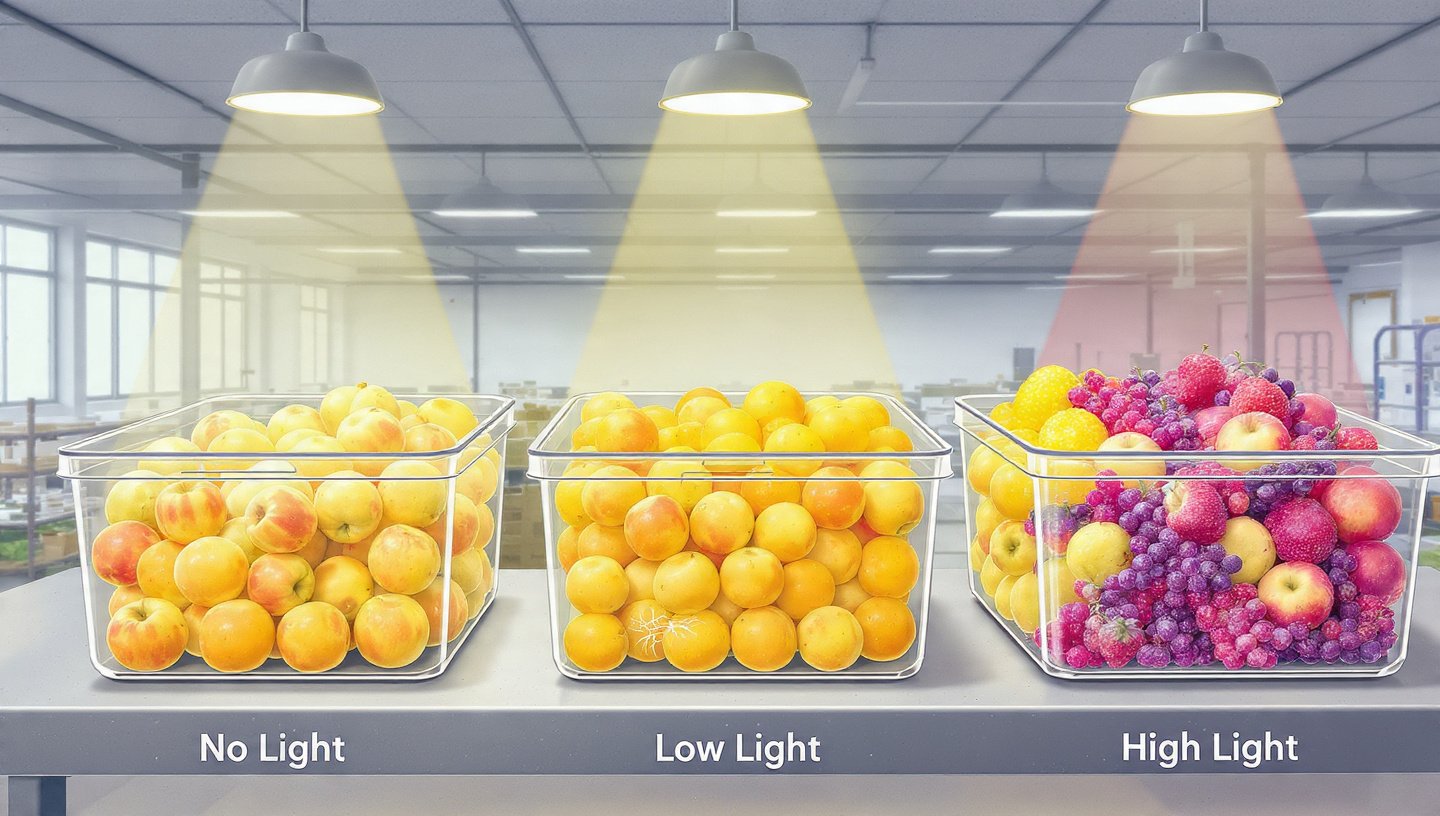
Fruits are nature’s candy, bursting with flavors, nutrients, and a medley of colors. However, the way fruits are stored significantly impacts their quality, particularly their flavor. Among the various factors that influence this quality, light exposure plays a pivotal role. This article delves into how light affects the flavor quality of stored fruits, exploring the mechanisms behind these changes, practical implications for consumers and retailers, and innovative storage solutions.
The Importance of Flavor in Fruits
Flavor is a complex sensation resulting from a combination of taste and aroma. It is influenced by various compounds, including sugars, acids, and volatile aroma compounds. In fruits, flavor acts as an essential indicator of ripeness and quality, guiding consumer choices. Pleasant flavor profiles enhance the overall eating experience and increase the likelihood of repurchase.
Factors Influencing Flavor Quality
While light exposure is a critical factor affecting flavor quality, several others also contribute, including temperature, humidity, ethylene production, and mechanical handling. Understanding how these factors interact with light can provide insights into preserving the flavor of stored fruits.
The Role of Light in Flavor Development
Photoreceptors in Fruits
Fruits have specific photoreceptors that respond to light waves, particularly those in the visible spectrum. These photoreceptors can initiate various biochemical processes that affect flavor and sweetness levels. For example, studies have demonstrated that light exposure can enhance the synthesis of specific flavor compounds, such as terpenes and esters, contributing to more robust flavor profiles.

Light as a Catalyst for Ripening
Light plays a crucial role in the ripening process of fruits, which is closely linked to flavor development. During ripening, fruits undergo physiological and biochemical changes that affect flavor compounds. The presence of light can expedite these changes, leading to increased levels of sugars and organic acids, thus enhancing sweetness and acidity.
Latest Posts
- How to Use Invisible Wire for a Stunning Climbing Plant Wall
- Are Your Garden Tools Making Your Plants Sick?
- How to Style a Small Studio with Columnar Cacti
- Why Is My Zucchini Shaped Like a Lightbulb?
- How to Protect Your Fruit From Birds Without Nets
- How to Keep Squirrels Away from Your Fruit Trees
- How to Protect Your Fruit from Birds Without Nets
- Why Biochar Is a Game-Changer for Your Kitchen Garden
- Why Some Rare Cacti Bloom Only One Night a Year
- How to Grow Rare Blue Strawberries at Home
Case Study: Tomatoes
Tomatoes serve as a prime example of how light affects flavor quality. Research has shown that tomatoes exposed to higher light levels during the ripening process produce more volatile compounds responsible for their characteristic aroma. Conversely, tomatoes stored in dark environments may develop bland flavors due to the reduced synthesis of these flavor compounds.
Role of UV Light
Ultraviolet (UV) light is particularly interesting when discussing flavor quality. While excessive UV radiation can be detrimental, moderate exposure can stimulate the production of phenolic compounds and antioxidants in fruits. These compounds not only contribute to flavor but also improve the overall health benefits of fruits.
The Interaction Between Light and Storage Conditions
Storage Temperature
Storage temperature interacts synergistically with light exposure. Warmer temperatures can amplify the effects of light on flavor development; however, temperatures that are too high can lead to over-ripening or spoilage. Hence, maintaining optimal storage temperatures while controlling light exposure is critical for preserving flavor quality.

Humidity Levels
Humidity also plays a vital role in this equation. High humidity levels can lead to the growth of mold and other pathogens, compromising flavor quality. On the other hand, low humidity may cause fruits to dry out, leading to loss of flavor and texture. Finding the right balance while considering light exposure is crucial for effective storage.
Practical Implications for Consumers and Retailers
Optimal Storage Practices
For consumers and retailers, understanding the impact of light exposure on flavor quality can lead to better storage practices. Here are some recommendations:
- Storage Location: Store fruits in a cool, dark place to minimize light exposure, thereby extending shelf life and preserving flavor.
- Use of Opaque Containers: Using opaque bags or containers can shield fruits from light, reducing the risk of flavor degradation.
- Refrigeration: Refrigerating fruits can slow down the ripening process while also protecting them from light exposure.
- Display Strategies: Retailers should consider how fruits are displayed. Using shaded areas or UV-filtering films on display cases can protect fruits from excessive light exposure.
Remaining Aware of Ethylene Production
Many fruits produce ethylene gas, a natural plant hormone that accelerates ripening. Storing ethylene-sensitive fruits in light-exposed environments can enhance rapid ripening and compromise flavor. Consumers should be aware of the ethylene sensitivity of different fruits and store them accordingly.
Innovative Storage Solutions
Recent advancements in storage technology seek to address the challenges posed by light exposure while ensuring flavor quality. These innovations include:

Modified Atmosphere Packaging (MAP)
MAP involves adjusting the composition of gases surrounding the fruit, which can slow down ripening and preserve flavor. This technique often complements light exclusion, allowing fruits to maintain flavor quality during transport and storage.
Light-Filtering Films
Packaging materials that filter out harmful wavelengths of light while allowing visually appealing displays can be effective. These films protect fruits from UV light while maintaining visibility for consumers.
Smart Packaging
Smart packaging solutions equipped with sensors can monitor light exposure and other environmental factors. These technologies provide real-time data, enabling optimal storage conditions to be maintained.
Ongoing Research and Future Directions
Investigating Specific Fruits
While much research has explored the relationship between light exposure and flavor in fruits like tomatoes, there is a need for more comprehensive studies across various fruit types. Research should focus on fruits with unique flavor profiles, such as berries, stone fruits, and tropical varieties.

Exploring Genetic Factors
The genetic makeup of fruits can influence their response to light exposure. Understanding these genetic factors can provide avenues for breeding fruit varieties that are less susceptible to flavor loss due to light.
Sustainable Practices
As the demand for fresh produce increases globally, sustainable storage practices become imperative. Sharing knowledge on how light affects flavor can encourage responsible consumption and reduce food waste.
Consumer Education
Educating consumers about the effects of light exposure on flavor quality can empower them to make better choices when purchasing and storing fruits. Workshops, online resources, and product labeling could provide valuable information on optimal storage practices.
Conclusion
Light exposure significantly impacts the flavor quality of stored fruits, affecting their overall sensory appeal and nutritional value. By understanding the underlying mechanisms and implications, consumers, retailers, and scientists can work together to improve fruit storage and consumption practices. As research continues to evolve, innovative solutions will emerge, ensuring that fruits maintain their delightful flavors and nutrients, bringing joy to our meals and contributing to a healthier diet.