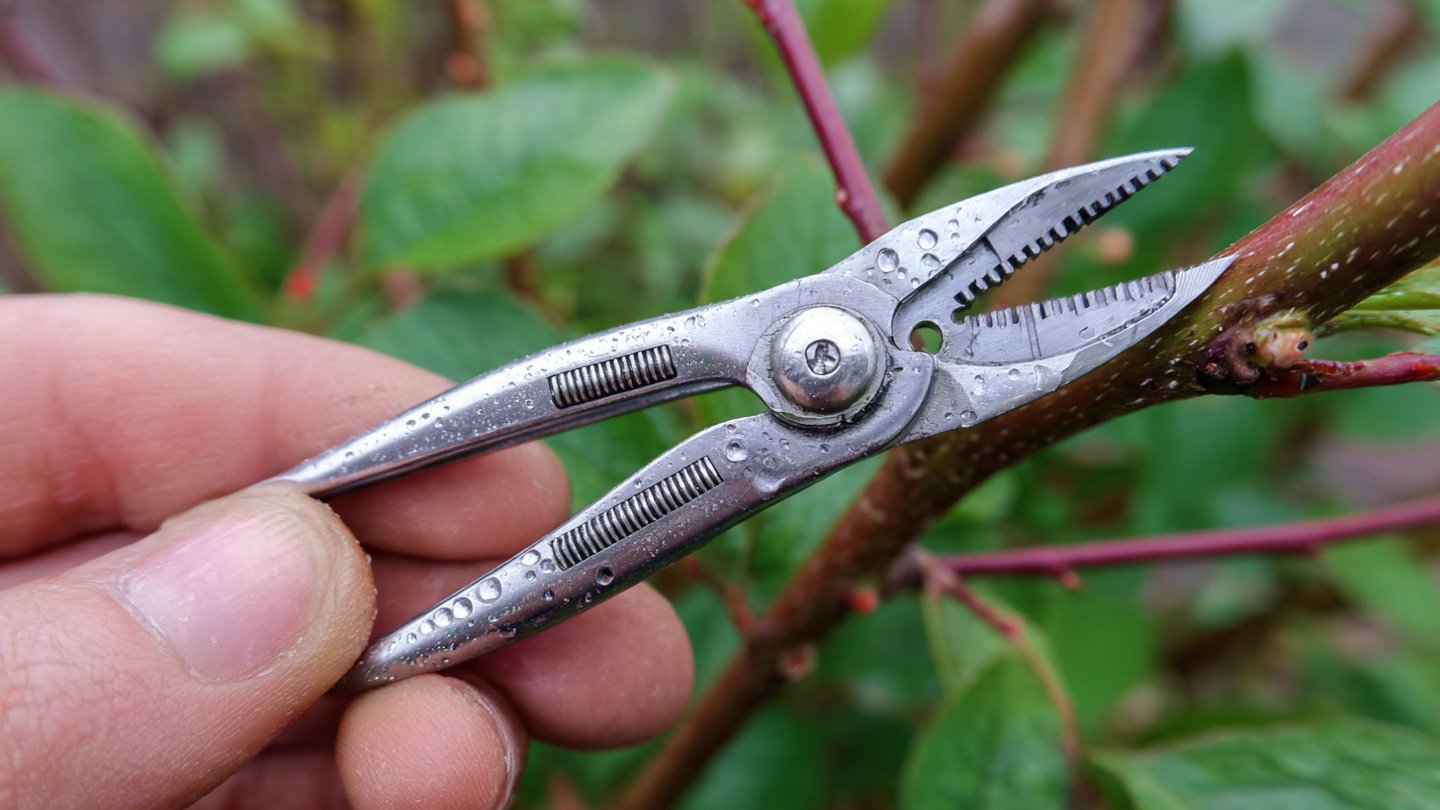
Gardeners and landscapers work tirelessly to maintain healthy plants and vibrant landscapes. However, an often-overlooked aspect of this care is the proper cleaning of pruning tools. Failure to clean tools can lead to the spread of diseases and pests, compromising plant health. This article delves into effective pruning tool cleaning techniques, their importance, and best practices to ensure your garden stays disease-free.
The Importance of Clean Pruning Tools
Cleaning pruning tools is essential for several reasons:
Latest Posts
- How to Use Invisible Wire for a Stunning Climbing Plant Wall
- Are Your Garden Tools Making Your Plants Sick?
- How to Style a Small Studio with Columnar Cacti
- Why Is My Zucchini Shaped Like a Lightbulb?
- How to Protect Your Fruit From Birds Without Nets
- How to Keep Squirrels Away from Your Fruit Trees
- How to Protect Your Fruit from Birds Without Nets
- Why Biochar Is a Game-Changer for Your Kitchen Garden
- Why Some Rare Cacti Bloom Only One Night a Year
- How to Grow Rare Blue Strawberries at Home
- Disease Prevention: Pathogens can survive on unclean tools. When tools are used on one plant and then another, diseases can easily be transmitted.
- Pest Control: Insects and their eggs can cling to tools, leading to infestations in previously healthy plants.
- Extended Tool Life: Regular maintenance and cleaning can prolong the lifespan of your tools, saving you money in the long run.
- Efficient Performance: Clean tools perform better, allowing for cleaner cuts and reducing the chances of damage to plants.
Tools and Materials Needed for Cleaning
Before starting the cleaning process, gather the following materials:
- Sponge or scrub brush
- Wooden stick for scraping (like a paint stirrer)
- Bucket or basin
- Soap (dish soap or an odd cleaner)
- Disinfectant (like bleach or rubbing alcohol)
- Clean cloth or towel
- Rust remover (optional, for rusted tools)
- Protective gloves

Step-by-Step Cleaning Process
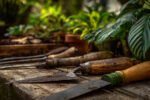
1. Remove Debris
Start by removing any dirt, sap, or plant material from your pruning tools.
- Use a sponge or scrub brush to scrub away any debris.
- For stubborn sap, a wooden stick can help scrape it off without damaging the blades.
2. Disinfect the Tools
Disinfection is crucial to preventing disease spread. Do the following:
- In a bucket or basin, mix a disinfectant solution. A common mixture is one part bleach to nine parts water.
- Submerge the tools for a few minutes if possible or use a cloth to wipe down all surfaces with the solution.
- For tools that can’t be submerged, spray with disinfectant and let it sit for at least 10 minutes before wiping off.
3. Rinse and Dry
After disinfecting, thoroughly rinse your tools to remove any disinfectant residues. Follow these steps:
- Rinse under running water or wipe with a damp cloth.
- Dry the tools with a clean cloth to prevent rust.
4. Sharpen and Oil Blades
To maintain the effectiveness of your tools, sharpening and oiling the blades is critical:

- Use a sharpening stone or file to sharpen blades properly.
- Apply a thin layer of mineral oil or vegetable oil to prevent rust and ensure smooth operation.
5. Store Properly
How and where you store your cleaned pruning tools can impact their longevity:
- Store tools in a cool, dry place to prevent moisture accumulation.
- Using a dedicated tool storage area or a toolbox can keep them organized and protected.
Additional Tips for Maintaining Pruning Tools
Proper maintenance goes beyond just cleaning:
- Check tools regularly for any signs of wear or damage. Replace or repair as needed.
- Keep tools free from moisture to prevent rust, especially during colder months.
- Consider using tools made from high-quality materials that resist rust and corrosion.
Signs of Disease Spread in Plants
Despite your best cleaning efforts, it’s essential to monitor your plants for signs of disease. Some common indicators include:
- Wilting leaves or stems
- Discoloration or spots on foliage
- Stunted growth
- Mushrooms or excessive mold growth in the soil
Conclusion
Effective pruning tool cleaning techniques play a critical role in maintaining garden health. By regularly cleaning, disinfecting, and maintaining your tools, you can prevent the spread of diseases and pests, ensuring your plants remain vigorous and thriving. Investing a little time in tool care can lead to healthier plants and a more productive gardening experience.
FAQs
1. How often should I clean my pruning tools?
It’s advisable to clean your pruning tools after each use, especially when moving between different plants or areas. This helps minimize the risk of disease transfer.
2. Can I use soap instead of bleach for disinfection?
While soap can help clean tools, it does not disinfect them. For effective disinfection, it’s best to use a bleach solution or a commercial disinfectant.
3. What if my tools are rusty?
If your tools show signs of rust, use a rust remover as per the instructions on the product. After removing the rust, clean and disinfect the tools, and then oil them to prevent future rust.
4. Is it necessary to disinfect tools if I didn’t cut any diseased plants?
While it may not be strictly necessary, it’s always good practice to disinfect tools after use. This helps maintain overall garden health and prevents any potential unseen diseases from spreading.
5. Can I store my pruning tools outside?
It’s best to store pruning tools indoors to protect them from moisture and extreme weather conditions, which can lead to rust and deterioration.