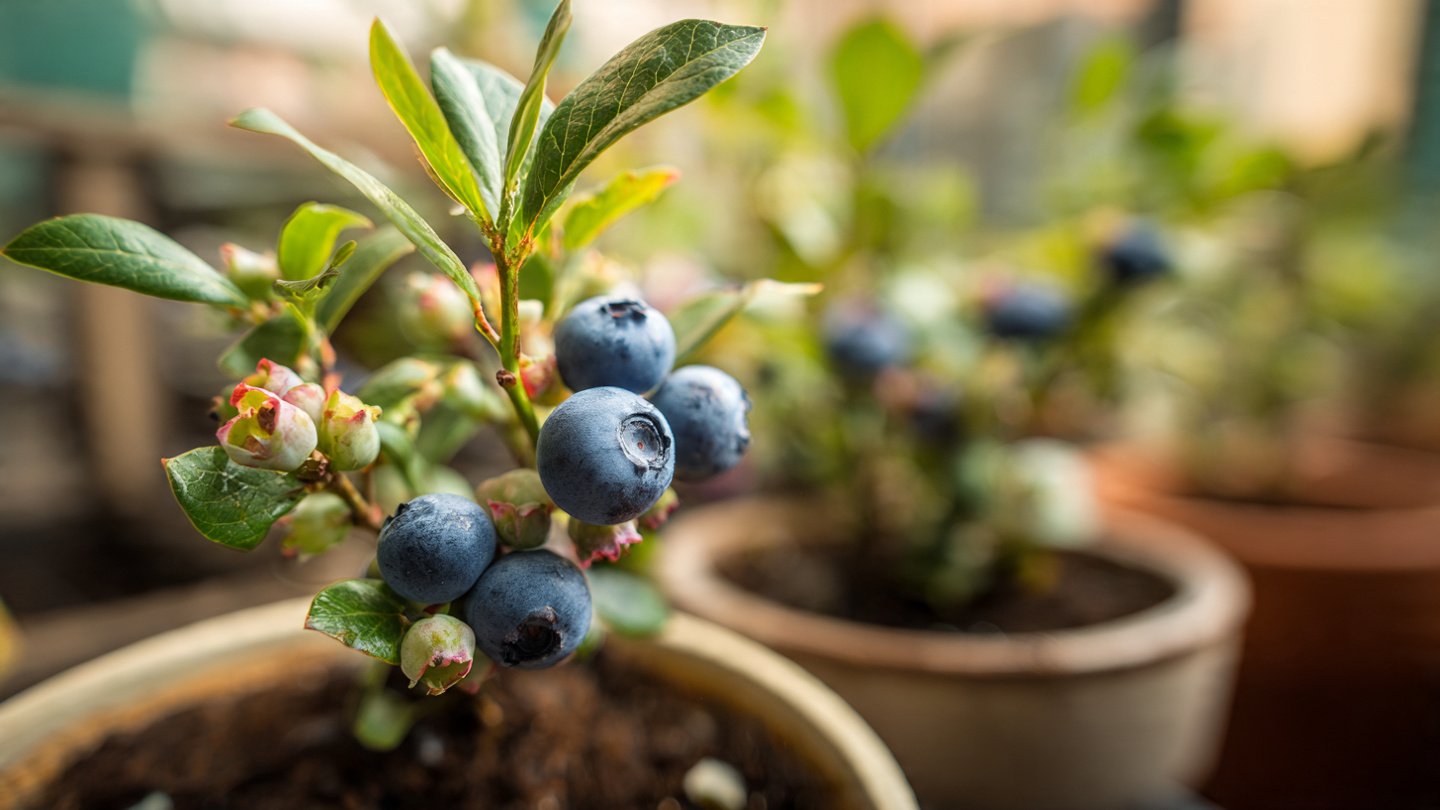
Blueberries are not only delicious but also packed with antioxidants and nutrients. Growing them in containers offers flexibility, allowing gardeners with limited space to enjoy homegrown fruit. This ultimate guide will walk you through the steps to successfully grow blueberries in containers for maximum yield, ensuring your plants thrive.
Why Grow Blueberries in Containers?
Space Saving
Latest Posts
- How to Use Invisible Wire for a Stunning Climbing Plant Wall
- Are Your Garden Tools Making Your Plants Sick?
- How to Style a Small Studio with Columnar Cacti
- Why Is My Zucchini Shaped Like a Lightbulb?
- How to Protect Your Fruit From Birds Without Nets
- How to Keep Squirrels Away from Your Fruit Trees
- How to Protect Your Fruit from Birds Without Nets
- Why Biochar Is a Game-Changer for Your Kitchen Garden
- Why Some Rare Cacti Bloom Only One Night a Year
- How to Grow Rare Blue Strawberries at Home
Container gardening is perfect for small yards, balconies, or patios. Blueberries thrive in pots, allowing you to manage space efficiently.
Mobility
Containers allow you to move your plants to optimize sun exposure or protect them from harsh weather conditions. This flexibility helps ensure consistent growth.
Soil Control
Growing blueberries in containers lets you control the soil quality, which is crucial since they require acidic conditions.
Choosing the Right Blueberry Variety
Not all blueberries are created equal. There are three main types:
-
Highbush Blueberries: Most common, ideal for northern climates. They can grow up to 6 feet and require full sun.
-
Lowbush Blueberries: Smaller and hardy, they’re great for wild landscapes and lower maintenance care. Suitable for colder climates.
-
Rabbiteye Blueberries: Best for southern climates, these can tolerate drought conditions and are often more pest-resistant.
When selecting a variety, consider your climate, the size of your container, and whether you want to have more than one blueberry plant for cross-pollination.
Containers for Blueberry Plants
Size
Choose containers that are at least 12-18 inches deep and wide. Blueberries have shallow roots, but they need enough room to spread. Larger containers (5 gallons or more) will support larger plants and provide better moisture retention.

Material
Containers can be made of plastic, wood, or ceramic. Each has its advantages:
-
Plastic: Lightweight and retains moisture but can heat up quickly.
-
Wood: Aesthetic appeal and good insulation but may require more maintenance.
-
Ceramic: Durable and beautiful, but can be heavy and less insulated.
Drainage
Ensure your containers have adequate drainage holes to prevent root rot. The soil should be well-draining yet moisture-retentive.
Soil Requirements
Blueberries thrive in acidic soil with a pH of 4.5 to 5.5. Here’s how to create the perfect mix:
Soil Components
- Peat Moss: Helps maintain acidity and moisture.
- Pine Bark: Enhances drainage and adds organic matter.
- Perlite or Sand: Aids in aeration and drainage.
Mix equal parts of these components for an ideal blueberry potting mix.
Planting Blueberries in Containers
When to Plant
Spring is the best time to plant blueberries. If you live in cooler regions, wait until the last frost has passed.

Steps to Plant
-
Prepare Your Container: Fill the pot with your soil mix, leaving enough space at the top.
-
Remove the Plant: Gently remove your blueberry plant from its nursery pot, being careful not to disturb the roots too much.
-
Position the Plant: Place the plant in the center of the pot at the same depth it was growing in the nursery pot.
-
Fill and Water: Fill around the plant with your soil mix, gently pressing it down. Water thoroughly to eliminate air pockets.
Watering and Feeding
Watering
Blueberries prefer consistent moisture, but do not like to be waterlogged. Here are some tips:
- Keep Soil Moist: Check the moisture level regularly, especially during the growing season.
- Drip Irrigation: Consider installing a drip irrigation system for convenience.
- Mulching: Add a layer of mulch to help retain moisture and control weeds.
Fertilizing
Blueberries require specific nutrients, and it’s essential to choose fertilizers designed for acid-loving plants:
-
Early Spring: Apply a slow-release fertilizer or an organic option like fish emulsion or cottonseed meal.
-
Late Spring/Summer: A second application can help sustain growth.
Use fertilizers sparingly; over-fertilization can harm your plants.

Sunlight Requirements
Blueberries thrive in full sunlight, requiring at least 6-8 hours a day. If your container is in a location with partial shade, ensure they still receive adequate light, especially during the fruiting stage.
Pruning Blueberries
Pruning is essential for maintaining plant health and maximizing yield. Here’s how:
When to Prune
Prune during the late winter while the plants are dormant, just before new growth begins.
How to Prune
-
Remove Dead Wood: Cut away any dead or damaged branches.
-
Thin Out: Remove crossing branches to improve air circulation.
-
Shorten Long Canes: Trim to encourage bushier growth.
Remember, pruning may reduce yield temporarily, but it will promote healthier plants in the long run.
Pest and Disease Management
Blueberries can attract various pests and diseases. Here are some common issues and management techniques:
Pests
-
Birds: Blueberries are a favorite snack for birds. Use netting to protect your plants.
-
Spider Mites: Keep the plants well-watered to avoid these pests, and introduce beneficial insects like ladybugs.
Diseases
-
Powdery Mildew: Ensure good air circulation and apply fungicides if necessary.
-
Root Rot: This is often due to overwatering. Ensure your pots have good drainage.
Harvesting Blueberries
Your patience will be rewarded when you start to see ripe, plump blueberries! Here’s how to know when to harvest:
Signs of Ripeness
-
Color: Blueberries should be a deep blue color—avoid red or green berries.
-
Taste: A quick taste test can help determine ripeness. Ripe blueberries should be sweet!
Harvesting Tips
- Gently twist off berries from the stem to avoid damaging the plant.
- Harvest in the morning when temperatures are cooler for the best flavor.
Maximizing Yield
To achieve maximum yield from your blueberry plants, consider these strategies:
Cross-Pollination
Planting multiple varieties can enhance fruit production, as blueberries benefit from cross-pollination. Different varieties may bloom at the same time, improving overall yields.
Seasonal Care
Pay attention to the changing seasons and adjust your care accordingly—this includes monitoring water and light as the sun’s angle changes.

Regular Monitoring
Keeping an eye on your plants for pest issues, nutrient deficiencies, and overall health will allow you to intervene quickly and avoid yield loss.
FAQs
1. Can I grow blueberries in any type of container?
While you can technically use any container, opt for ones that are at least 12-18 inches deep and wide with good drainage.
2. How often should I water my blueberry plants?
Aim to water them thoroughly when the top inch of soil feels dry. During hot months, this may be every day or two.
3. Do blueberries need full sun?
Yes, blueberries thrive in full sun, requiring at least 6-8 hours daily for optimal growth.
4. How long does it take for blueberry plants to produce fruit?
Most blueberry plants will start producing fruit in 2-3 years, depending on the variety and growing conditions.
5. What should I do if my plant isn’t producing?
Check for adequate sunlight, cross-pollination, and ensure you’re providing proper care with watering and fertilization. Pruning may also help stimulate new growth.
6. Can I grow blueberries indoors?
Yes, as long as they have access to enough light (consider using grow lights) and proper care.
7. How can I improve soil acidity for my blueberries?
You can use sulfur or peat moss to lower soil pH. Testing the soil regularly will help maintain the desired acidity.
Conclusion
Growing blueberries in containers is a rewarding experience, yielding delicious and healthy fruits. By carefully selecting the right variety, providing appropriate soil, water, and nutrients, and managing pest issues, you’ll be well on your way to enjoying a bountiful blueberry harvest. Follow these guidelines to ensure your blueberry plants thrive, providing you with sweet rewards for years to come!