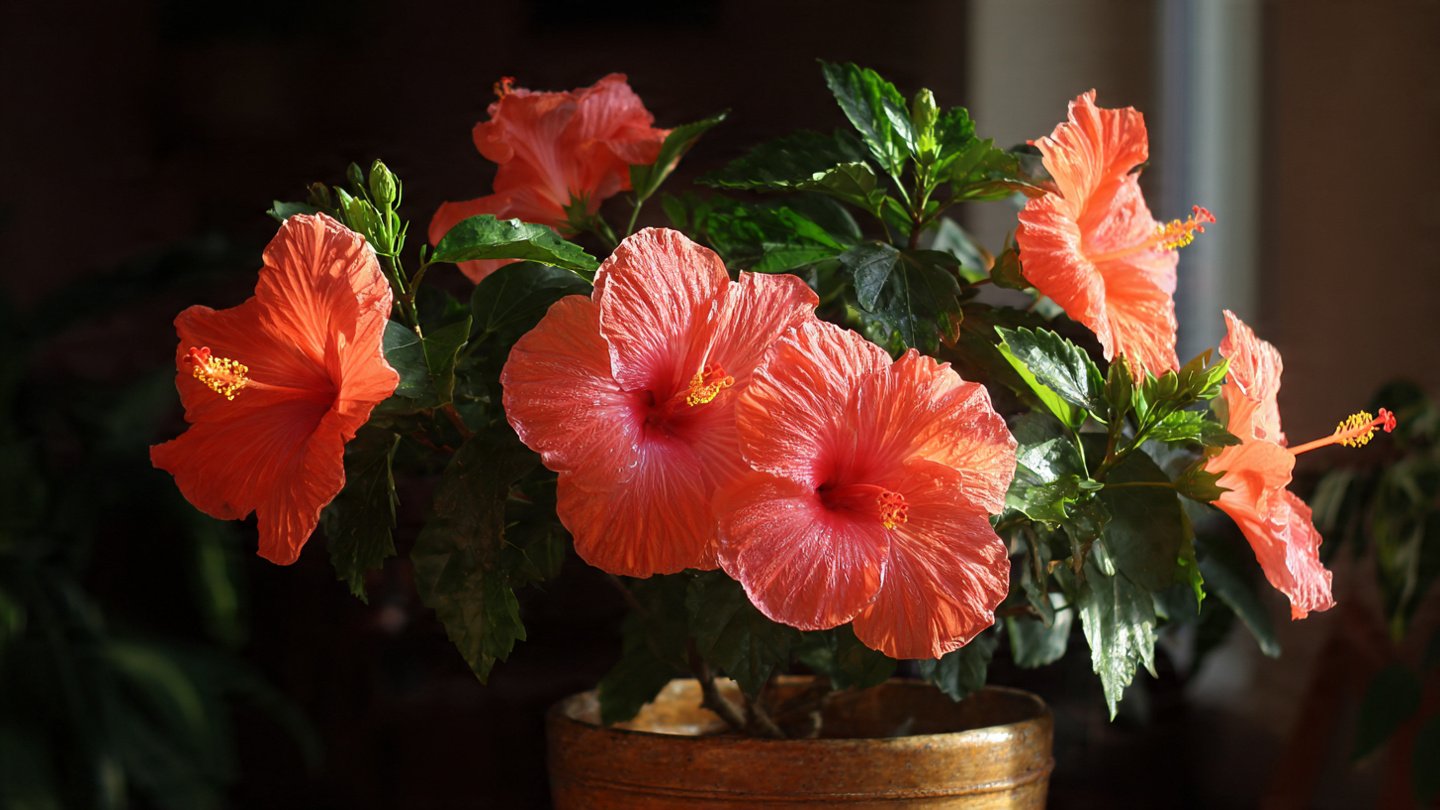
Hibiscus is a stunning flowering plant that brings vibrant colors and a tropical vibe to any garden or home. Known for its large, showy blooms, hibiscus is not just admired for its beauty but also for its ease of cultivation. One of the most popular and effective methods to propagate hibiscus plants is through cuttings. In this article, we will explore how to successfully grow hibiscus from cuttings at home, offering tips, tricks, and a FAQs section to clarify any doubts.
Why Choose Cuttings for Propagation?
Using cuttings to propagate hibiscus has several advantages:
- Genetic Consistency: The new plant will have the same genetic makeup as the parent plant, ensuring the same flower color and growth habits.
- Speed: Growing hibiscus from cuttings is often faster than starting from seeds, allowing for quicker blooms.
- Cost-Effective: Instead of buying new plants, you can multiply your existing ones.
- Control Over Genetics: If you have a specific hibiscus variety you love, propagating from cuttings maintains that variety intact.
The Best Time to Take Cuttings
The ideal time to take hibiscus cuttings is during the spring or early summer when the plant is actively growing. During this time, the weather is warm, and the plant has the energy to produce new roots efficiently. Avoid taking cuttings in late fall or winter, as the plant may be dormant, making rooting more challenging.

Necessary Tools and Materials
Before you start the propagation process, gather the following tools and materials:
- Sharp, Clean Scissors or Pruning Shears: To make clean cuts.
- Rooting Hormone (optional): To help stimulate root growth.
- Small Pots or Seed Trays: To plant your cuttings in.
- Potting Mix or Well-Draining Soil: A mix that retains some moisture but allows for drainage.
- Plastic Bag or Clear Plastic Cover: To create a greenhouse effect and retain moisture.
- Water: For hydration and to maintain moisture in the soil.
Step-by-Step Guide to Growing Hibiscus from Cuttings
Step 1: Choosing the Right Parent Plant
Select a healthy hibiscus plant that shows no signs of disease or pest infestations. Look for a mature plant that has vibrant leaves and healthy stems. Avoid weak or leggy growth; instead, opt for sturdy, vigorous stems.
Latest Posts
- How to Use Invisible Wire for a Stunning Climbing Plant Wall
- Are Your Garden Tools Making Your Plants Sick?
- How to Style a Small Studio with Columnar Cacti
- Why Is My Zucchini Shaped Like a Lightbulb?
- How to Protect Your Fruit From Birds Without Nets
- How to Keep Squirrels Away from Your Fruit Trees
- How to Protect Your Fruit from Birds Without Nets
- Why Biochar Is a Game-Changer for Your Kitchen Garden
- Why Some Rare Cacti Bloom Only One Night a Year
- How to Grow Rare Blue Strawberries at Home
Step 2: Taking the Cuttings
- Select the Growth: Choose a stem that is semi-hardwood, which means it’s not too soft but not completely hard either. Ideally, the stem should be 4-6 inches long and have several sets of leaves.
- Make the Cut: Use your sharp scissors or shears to make a clean cut just below a node (the area where leaves attach to the stem).
- Remove Lower Leaves: Trim away the lower leaves, leaving just a couple at the top. This reduces moisture loss and helps focus the plant’s energy on root development.
Step 3: Applying Rooting Hormone (Optional)
While not strictly necessary, applying rooting hormone can help increase the chances of successful propagation. Dip the cut end of your hibiscus cutting into the hormone powder, then gently tap off any excess.

Step 4: Preparing the Potting Mix
- Use a Well-Draining Soil: Fill small pots or trays with a potting mix designed for cuttings. Aloe, perlite, and vermiculite are good choices as they provide excellent drainage and moisture retention.
- Moisten the Soil: Lightly mist or water the soil to ensure it’s damp but not soggy.
Step 5: Planting the Cuttings
- Make a Hole: Use your finger or a stick to create a small hole in the soil before inserting the cutting. This prevents the rooting hormone from rubbing off.
- Insert the Cutting: Place the cut end into the hole, ensuring it’s buried to a depth of about 1 to 2 inches. If using a rooting hormone, avoid touching the sides of the hole with the hormone-coated end.
- Firm the Soil: Gently press the soil around the cutting to eliminate air pockets.
Step 6: Creating a Humid Environment
To encourage rooting, your cuttings will need humidity. You can achieve this in a couple of ways:
- Cover with a Plastic Bag: Place a clear plastic bag over the pot/tray to create a greenhouse effect. Make sure it does not touch the leaves to prevent mold.
- Mist Regularly: If a bag isn’t usable, mist the cuttings regularly to keep the humidity levels high.
Step 7: Providing the Right Conditions
- Light: Place your planted cuttings in a location that receives bright, indirect sunlight. Direct sunlight can scorch the cuttings and inhibit rooting.
- Temperature: Maintain a consistent temperature between 70°F and 80°F (21°C – 27°C). Avoid exposure to cold drafts or extreme heat.
Step 8: Watering and Care
- Monitor Moisture: Check the soil moisture every few days. It should be damp but not soggy. Overwatering can lead to root rot.
- Remove the Covering: Once you see new growth (which may take several weeks), gradually acclimatize the plants to normal humidity levels by removing the plastic covering for longer periods each day.
Step 9: Transplanting
After several weeks, once roots have formed and you notice healthy growth, it’s time to transplant your hibiscus cuttings into larger pots or into the garden.
- Select a Suitable Location: Choose a spot that receives full sun for most of the day. Hibiscus thrives in bright light.
- Transplant Carefully: Gently remove the cuttings from their pots and place them in new soil, ensuring not to damage the tender roots.
- Water Well: After transplanting, give them a good watering and monitor them closely as they adjust to their new environment.
Common Problems and Solutions
Leaf Drop
If your cuttings are dropping leaves, it usually indicates stress. This could be due to:

- Too Much Sun: Ensure they are in a shaded spot until they establish roots.
- Underwatering: Keep the soil consistently damp.
Mold Growth
If you notice mold on the top of the soil, reduce humidity levels by allowing more airflow. Remove the covering for longer periods and ensure that the soil drains well.
Slow Growth
If growth is slow, check the moisture levels and soil quality. If the cuttings don’t seem to be establishing, consider applying fresh rooting hormone.
FAQs
1. How long does it take for hibiscus cuttings to root?
Generally, hibiscus cuttings can take anywhere from 2 to 8 weeks to root, depending on the conditions and care.
2. Can I grow hibiscus from seed instead?
Yes, you can grow hibiscus from seed, but it takes longer for seeds to germinate and produce flowering plants compared to cuttings.
3. Do I need special soil for hibiscus cuttings?
A well-draining potting mix is best. You can use a premade seed starting mix or create your own by combining peat moss, perlite, and vermiculite.
4. Can I propagate tropical hibiscus the same way?
Yes, the same method applies for tropical hibiscus varieties. Just be mindful of their specific climate needs.

5. How do I know if my cutting has successfully rooted?
Once you notice new growth or leaves starting to emerge, it’s a good sign that rooting has occurred. You can also gently tug at the cutting; resistance indicates root formation.
Conclusion
Growing hibiscus from cuttings at home is a fulfilling and relatively easy gardening project. With proper care, attention, and timing, you can have a thriving hibiscus collection in no time. Enjoy the process, and revel in the beauty these stunning flowers will bring to your space!