Introduction
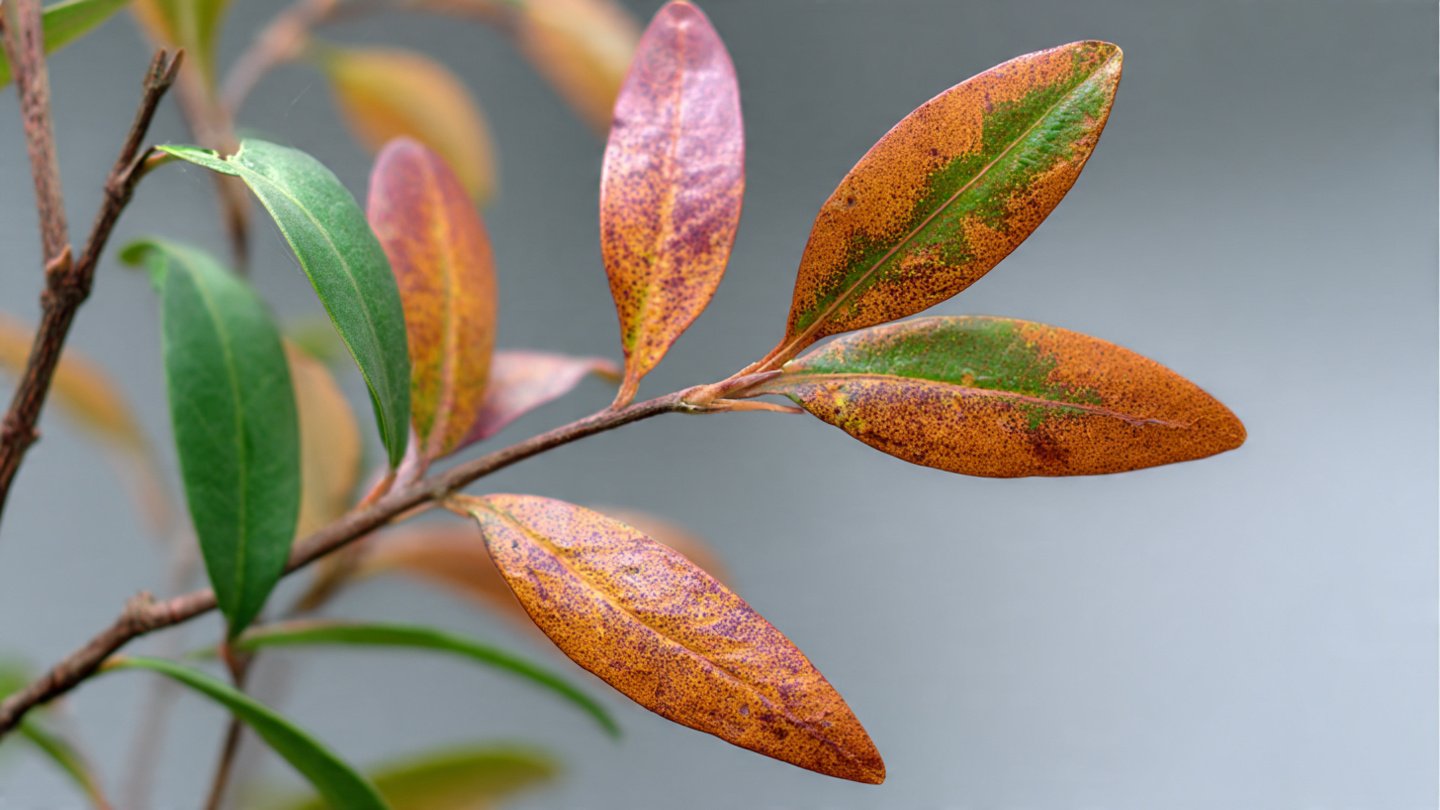
Plants are a vital part of our environment, contributing to the ecological balance and enhancing the beauty of our surroundings. However, one common problem faced by plant owners, both novice and expert, is fast leaf discoloration. This phenomenon can be alarming, indicating stress or disease. Understanding the various factors causing rapid leaf discoloration is essential for effective plant care and maintenance.
1. Nutrient Deficiency
Latest Posts
- How to Use Invisible Wire for a Stunning Climbing Plant Wall
- Are Your Garden Tools Making Your Plants Sick?
- How to Style a Small Studio with Columnar Cacti
- Why Is My Zucchini Shaped Like a Lightbulb?
- How to Protect Your Fruit From Birds Without Nets
- How to Keep Squirrels Away from Your Fruit Trees
- How to Protect Your Fruit from Birds Without Nets
- Why Biochar Is a Game-Changer for Your Kitchen Garden
- Why Some Rare Cacti Bloom Only One Night a Year
- How to Grow Rare Blue Strawberries at Home
Nutrient deficiency is one of the most common causes of leaf discoloration in plants. Essential nutrients such as nitrogen, potassium, magnesium, and iron play critical roles in plant health. A deficiency in any of these nutrients can result in distinctive changes in leaf color.
- Nitrogen Deficiency: A lack of nitrogen typically causes older leaves to turn yellow, as nitrogen is a crucial component of chlorophyll.
- Iron Deficiency: Iron is vital for chlorophyll production. Its deficiency causes younger leaves to yellow while veins remain green—a condition known as interveinal chlorosis.
- Magnesium Deficiency: The lower leaves may exhibit a yellowing appearance, often with green veins, indicating a lack of chlorophyll production.
2. Water Stress

Water stress, whether too much or too little, can lead to rapid leaf discoloration. Overwatering can suffocate roots and lead to root rot, while underwatering can cause dehydration.
- Overwatering: Excessive water can lead to anaerobic soils, stunting root growth and resulting in yellowing or browning of leaves.
- Underwatering: Insufficient water causes leaves to wilt and discolor, usually starting with the lower leaves turning brown and crispy.
3. Pest Infestation
Pests can wreak havoc on plant health, leading to discoloration as they feed on leaves and sap. Common pests include aphids, spider mites, and whiteflies.
- Aphids: These sap-sucking insects can cause yellowing leaves, deformities, and even plant stunting.
- Spider Mites: Often found on the undersides of leaves, they create fine webbing and can lead to speckled discoloration.
- Whiteflies: Similar to aphids, they feed on the sap and can cause yellowing and dropping of leaves.
4. Fungal and Bacterial Diseases
Diseases caused by fungi and bacteria can lead to rapid leaf discoloration, often accompanied by spots, lesions, or mold.
- Leaf Spot Diseases: These fungal infections lead to brown or black spots surrounded by yellow halos, indicating plant stress.
- Powdery Mildew: A common fungal disease that causes a white powdery coating, resulting in chlorosis and leaf drop.
- Bacterial Leaf Blight: Caused by bacteria that create water-soaked lesions, often resulting in whole leaf yellowing and early drop.
5. Environmental Stress
Environmental factors such as temperature fluctuations, light conditions, and humidity levels can significantly affect plant health, contributing to leaf discoloration.
- Temperature Stress: Extreme temperatures, whether hot or cold, can damage leaf tissues, resulting in browning or yellowing. For instance, sudden frost can cause leaf burn.
- Light Issues: Insufficient light can lead to weak, stretchy growth and yellowing leaves, while too much direct sunlight can cause leaf scorch.
- Humidity Levels: Many plants suffer from low humidity, which can lead to leaf tip browning and overall discoloration.

6. Soil pH Imbalance
A balanced soil pH is crucial for nutrient availability. An improper pH can hinder nutrient absorption, leading to deficiencies and discoloration.
- Acidic Soil: A pH less than 6 can lead to the unavailability of essential nutrients, causing leaf yellowing.
- Alkaline Soil: High pH levels can prevent the uptake of iron and other micronutrients, resulting in chlorosis.
7. Chemical Exposure
Exposure to harmful chemicals such as pesticides and herbicides can cause leaf discoloration. Misapplication or over-application of these products can lead to toxicity in plants.
- Pesticides: While designed to eliminate pests, misuse can cause phytotoxicity, leading to leaf burn and discoloration.
- Herbicides: Non-selective herbicides can accidentally affect non-target plants, causing rapid yellowing and distress.
Conclusion
Fast leaf discoloration in plants can arise from various factors, including nutrient deficiencies, water stress, pest infestations, diseases, environmental stressors, soil pH imbalances, and chemical exposure. Identifying the underlying causes of this problem is crucial for addressing plant health effectively. Regular care, including monitoring nutrient levels, ensuring proper watering techniques, and maintaining an optimal growing environment, can help minimize the risks associated with leaf discoloration. By being proactive and observant, plant owners can preserve the beauty and vitality of their green companions.
FAQs
1. How can I tell if my plant is suffering from nutrient deficiency?
Look for symptoms such as yellowing leaves, distorted growth, and spots or lesions. Each nutrient deficiency has specific symptoms that can help identify which nutrient is lacking.
2. What should I do if I suspect pest infestation?
If you notice signs of pests, inspect your plant closely. You can physically remove pests or use insecticidal soap or neem oil for treatment.
3. How often should I water my plants to prevent leaf discoloration?
Water needs vary by plant species, but a general rule is to allow the top inch of soil to dry out before watering again. Always check moisture levels with your finger or a moisture meter.
4. What soil pH is best for my plants?
Different plants have different pH requirements, but a pH between 6 and 7 is generally suitable for most garden plants. Test your soil regularly to ensure optimal conditions.
5. Can fast leaf discoloration be reversed?
In many cases, addressing the underlying issue can help restore the plant’s health. However, severely damaged leaves may not recover, but new growth should be healthy if conditions improve.