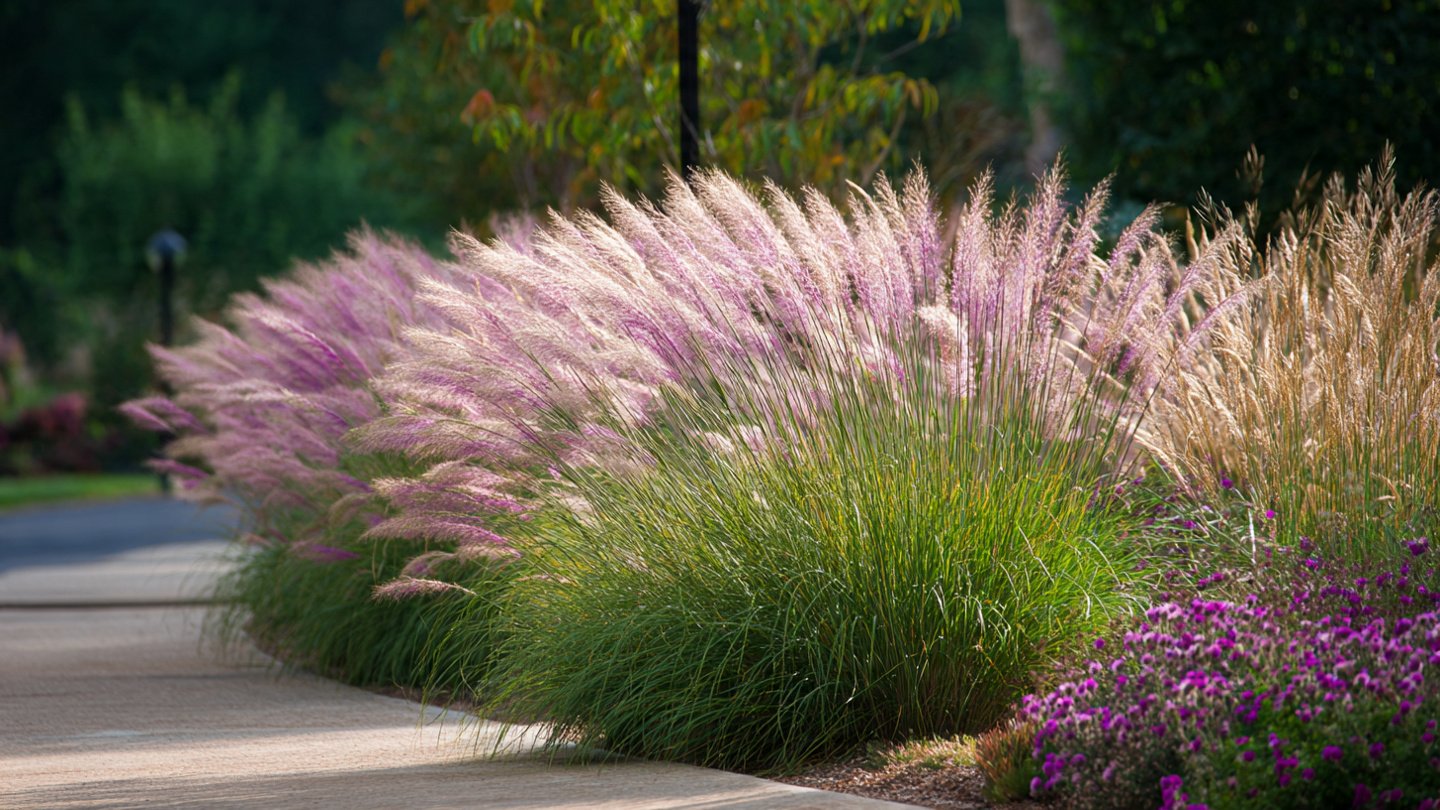
Ornamental grasses have increasingly found their way into contemporary landscape design, offering a unique aesthetic while providing various ecological benefits. This article delves into the beauty and benefits of these versatile plants, discussing their role in garden design, types of grasses suitable for different climates, maintenance tips, and more.
A Quick Overview of Ornamental Grasses
Ornamental grasses encompass a diverse range of species known for their aesthetic appeal and functional advantages. They are characterized by their slender leaves, fluffy flower stalks, and ability to sway gracefully in the wind. Popular among landscape designers, ornamental grasses vary in height, color, and texture, making them ideal for various applications.
Latest Posts
- How to Use Invisible Wire for a Stunning Climbing Plant Wall
- Are Your Garden Tools Making Your Plants Sick?
- How to Style a Small Studio with Columnar Cacti
- Why Is My Zucchini Shaped Like a Lightbulb?
- How to Protect Your Fruit From Birds Without Nets
- How to Keep Squirrels Away from Your Fruit Trees
- How to Protect Your Fruit from Birds Without Nets
- Why Biochar Is a Game-Changer for Your Kitchen Garden
- Why Some Rare Cacti Bloom Only One Night a Year
- How to Grow Rare Blue Strawberries at Home
Why Include Ornamental Grasses?
-
Visual Appeal: Their unique forms and textures add depth to garden designs. The stark contrasts they offer against traditional flowering plants can enhance the overall landscape aesthetics.
-
Seasonal Interest: Many ornamental grasses change with the seasons. Some provide vibrant colors and blooms in the summer, while others shine in fall with golden hues, and certain varieties even provide structure and interest during winter.
-
Low Maintenance: Many ornamental grasses are drought-resistant and require minimal upkeep, making them an excellent choice for both novice and experienced gardeners.
-
Wildlife Support: These plants can provide habitats for various wildlife, including beneficial insects and birds. Their seeds are a food source for many species.
-
Erosion Control: The extensive root systems of many ornamental grasses can prevent soil erosion, making them ideal for sloped landscapes.
Types of Ornamental Grasses
Several species and cultivars fit various landscape needs, climates, and personal preferences. Below are some popular types:

1. Miscanthus Sinensis (Chinese Silver Grass)
Known for its dramatic plumes and leafy clumps, Miscanthus is one of the most widely used ornamental grasses. It adds height and texture to flower beds and works wonderfully as a backdrop for shorter plants.
2. Panicum Virgatum (Switchgrass)
Switchgrass is native to North America and adapts well to various soil types. It features airy flower panicles and can grow tall, providing privacy and cover in landscapes.
3. Pennisetum Alopecuroides (Fountain Grass)
This low-growing grass produces fluffy flower spikes resembling small fountains. It’s ideal for borders or as a ground cover, especially in warmer climates.
4. Calamagrostis Acutiflora (Feather Reed Grass)
With its tall, upright habit and feathery flower panicles, Feather Reed Grass adds vertical interest to gardens. It’s particularly appealing in mass plantings.
5. Festuca Glauca (Blue Fescue)
This compact grass features stunning blue-gray foliage. It works well in rock gardens, borders, and as an accent plant due to its neat and tidy form.
Designing with Ornamental Grasses
In modern landscape design, ornamental grasses are often used in a variety of ways:
1. Focal Points and Accents
Large clumps of tall grasses can serve as dramatic focal points in a garden, providing vertical interest that contrasts beautifully with lower-growing plants.

2. Borders and Edging
Dwarf varieties or shorter grasses can effectively define garden paths or borders, creating a soft edge that looks more organic than traditional hardscaping materials.
3. Mixed Plantings
Ornamental grasses work well in mixed plantings. Pairing them with flowering perennials, shrubs, and trees can create a dynamic landscape that evolves through the seasons.
4. Mass Planting
For a more dramatic effect, consider mass plantings of a single grass variety, especially in larger spaces. This approach can lead to a sweeping visual impact.
5. Naturalistic Landscapes
Ornamental grasses are crucial in modern naturalistic landscape designs, mimicking native ecosystems and providing a sense of wildness.
Seasonal Interest and Color
One of the primary benefits of ornamental grasses is their ability to provide year-round interest.
Spring
In spring, new growth emerges, often resulting in vibrant green hues that contrast nicely with fading winter colors.
Summer
During the summer months, many grasses bloom, with flower spikes appearing and adding texture and color. For example, the fluffy blooms of Fountain Grass can enhance a garden’s vibrancy.

Fall
In fall, many ornamental grasses take on golden or copper tones, providing a warm spectrum of colors.
Winter
Even in winter, grasses can provide interest. Their dried foliage and seed heads catch the light, and their structural form can lend elegance to a winter landscape.
Maintenance Tips
Although ornamental grasses are generally low-maintenance, they do require some care for optimal growth.
Watering
Most grasses are drought-tolerant once established but benefit from regular watering in their initial growth phase. Ensure that they receive adequate moisture, especially during hot summers.
Fertilizing
Only a light application of fertilizer in spring is necessary for most ornamental grasses. Over-fertilization can lead to excessive foliage growth at the expense of flowering.
Pruning
Pruning is usually best done in late winter or early spring before new growth begins. Remove dead stems to promote healthy new growth and maintain shape.
Dividing
Many perennial grasses benefit from division every few years. This process rejuvenates the plants and promotes health while allowing for expanded plantings.

Planning and Installing Ornamental Grasses
Choosing the Right Location
Ornamental grasses thrive in full sun to partial shade. Evaluate your garden’s sunlight exposure and select varieties suited for your conditions.
Soil Preparation
Good drainage is essential. Amend the soil with compost to enhance fertility and drainage. Most grasses prefer slightly acidic to neutral pH.
Planting
Space grasses according to their mature size to avoid overcrowding. Follow specific planting tips for each variety for optimal results.
Ecological Benefits
Attracting Pollinators
Many ornamental grasses attract beneficial pollinators such as butterflies and bees. This can help support the overall ecological health of your garden.
Supporting Wildlife
Grasses provide habitats for small mammals and birds, contributing to biodiversity in urban and suburban settings.
Soil Health
The extensive root systems of grasses improve soil structure, promote aeration, and enhance soil fertility, leading to healthier ecosystems.
FAQs

1. Can ornamental grasses survive winter?
Yes, many ornamental grasses are hardy and can survive winter conditions. However, consider your specific climate and choose varieties that are suited to your zone.
2. Do ornamental grasses require a lot of water?
Once established, many ornamental grasses are drought-tolerant. However, they do need regular watering during the initial growth phase.
3. Can I grow ornamental grasses in containers?
Yes, many ornamental grasses can thrive in containers. Ensure that the container is large enough and has good drainage to support their growth.
4. When is the best time to plant ornamental grasses?
Spring and early fall are ideal for planting ornamental grasses. This timing allows for optimal root establishment before the temperatures become extreme.
5. How do I control pests and diseases on ornamental grasses?
Ornamental grasses are generally resistant to many pests and diseases. Regularly inspect your plants, maintain their health, and remove any dead or diseased foliage to prevent issues.
Conclusion
Ornamental grasses serve as an essential element in modern landscape design, combining beauty with practicality. Their diverse forms, textures, and colors provide year-round interest, while their ecological benefits enhance garden health and biodiversity. By embracing the versatility of ornamental grasses, gardeners can create stunning landscapes that are as functional as they are beautiful. Whether you choose to use them as focal points, borders, or part of a naturalistic setting, ornamental grasses are sure to elevate any garden design.