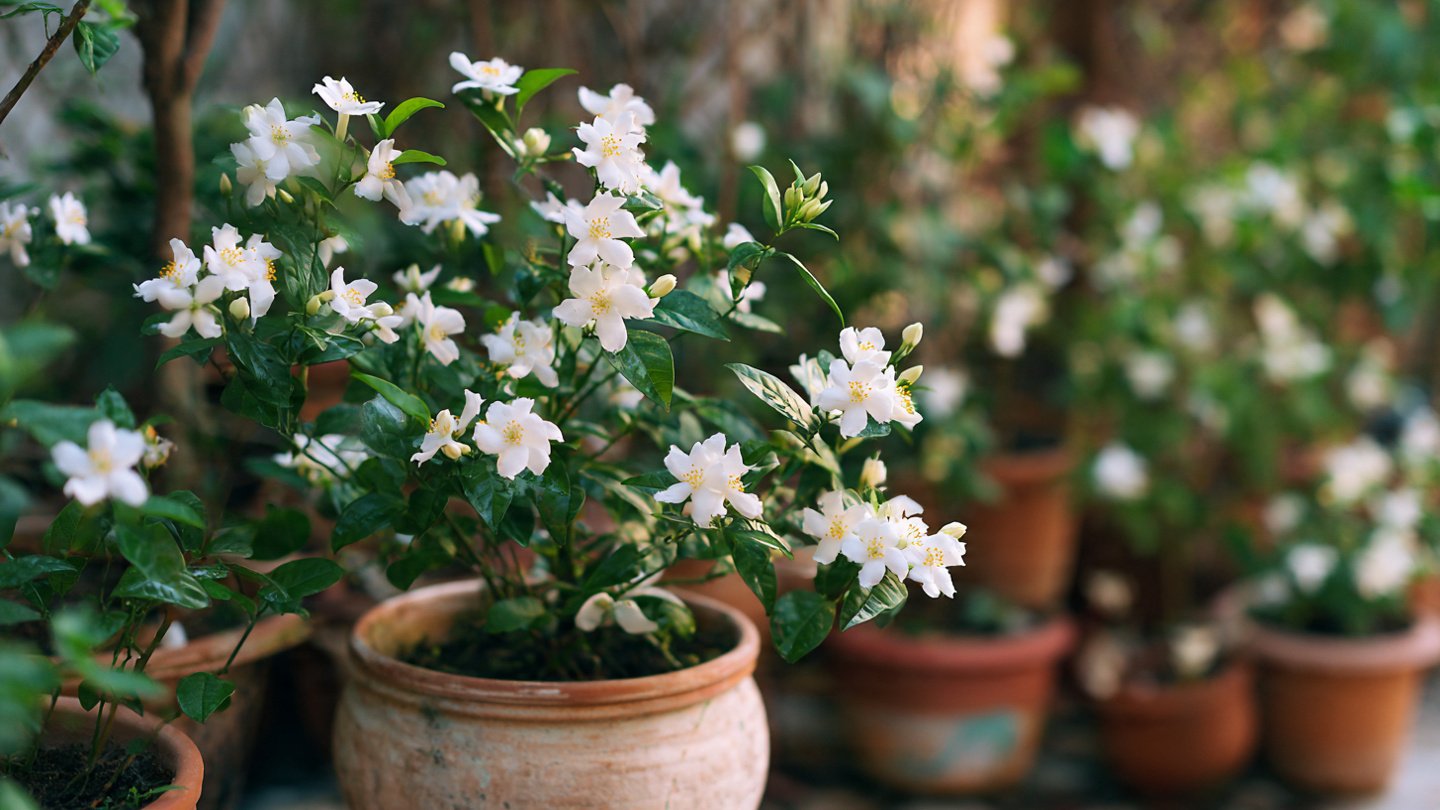
Jasmine, a beloved flower for its captivating fragrance and delicate beauty, is a versatile plant that can elevate any home garden. Known for its rich aroma and stunning flowers, jasmine can serve as a climber, shrub, or ground cover. However, to particularly enjoy its full beauty and fragrance, understanding the ideal conditions for growth is essential. This article explores how to create the perfect environment for thriving jasmine plants at home while addressing common questions gardeners may have.
Types of Jasmine
Before delving into care tips, it’s essential to recognize that there are several species of jasmine, each requiring slightly different conditions:
Latest Posts
- How to Use Invisible Wire for a Stunning Climbing Plant Wall
- Are Your Garden Tools Making Your Plants Sick?
- How to Style a Small Studio with Columnar Cacti
- Why Is My Zucchini Shaped Like a Lightbulb?
- How to Protect Your Fruit From Birds Without Nets
- How to Keep Squirrels Away from Your Fruit Trees
- How to Protect Your Fruit from Birds Without Nets
- Why Biochar Is a Game-Changer for Your Kitchen Garden
- Why Some Rare Cacti Bloom Only One Night a Year
- How to Grow Rare Blue Strawberries at Home
- Jasminum officinale (Common Jasmine): Known for its sweet fragrance, it thrives in full sun.
- Jasminum polyanthum (Pink Jasmine): This vigorous climber features clusters of star-like blooms.
- Jasminum sambac (Arabian Jasmine): Revered in many cultures, it prefers warmer climates and constant moisture.
Understanding the variety you have or intend to grow is crucial in tailoring your care practices.
Ideal Growing Conditions
1. Light Requirements
Jasmine plants generally prefer bright, indirect sunlight.

- Full Sun: While some species can tolerate full sun, it’s best to provide a mix of sun and shade, especially in hotter climates.
- Indoors: If growing jasmine indoors, place it near a south-facing window where it can receive 4 to 6 hours of indirect sunlight daily.
2. Soil Quality
The right soil is vital for the healthy growth of jasmine.
- Well-Drained Soil: Jasmine prefers loamy, well-drained soil that retains some moisture. A mixture of potting soil, perlite, and compost can create an ideal environment.
- pH Levels: Aim for a slightly acidic to neutral pH (6.0 to 7.0). You can conduct a soil test kit to determine this.
3. Watering Needs
Watering jasmine plants requires a balanced approach.
- Consistent Moisture: Jasmine likes consistent moisture but hates “wet feet.” Water when the top inch of the soil feels dry, ensuring good drainage to prevent root rot.
- Humidity: These plants thrive in humidity. If you live in a dry climate, consider misting the leaves or placing a tray of water nearby.
4. Temperature and Humidity

Jasmine thrives in warm temperatures.
- Ideal Temperature: Aim for temperatures between 60°F (15°C) and 75°F (24°C). Protect your jasmine from cold drafts and frosts.
- Humidity Levels: Jasmine loves humidity levels around 40% to 60%. Indoor humidity can be increased using humidifiers or pebble trays filled with water.
5. Fertilization
To promote healthy growth and blooming, regular feeding is essential.
- Type of Fertilizer: Use a balanced, water-soluble fertilizer every four to six weeks during the growing season (spring and summer). A fertilizer lower in nitrogen and higher in phosphorus and potassium will encourage blooming.
6. Pruning and Training
Pruning and training help jasmine maintain its shape and stimulate growth.
- When to Prune: Prune jasmine plants after blooming has finished, cutting back around one-third of the plant. This will encourage bushier growth and healthier flowering next season.
- Training: If you’re growing a climbing variety, provide a trellis or other support structures, guiding the vines to encourage upward growth.

Container Growing
For those with limited garden space or who prefer to keep plants indoors, jasmine can thrive in containers.
- Pot Size: Choose a pot with good drainage that is 12-14 inches wide.
- Repotting: Repot every couple of years to provide fresh soil and space for growth.
Common Pests and Diseases
Keeping your jasmine plants healthy also involves being vigilant about pests and diseases.
Pests
Common pests affecting jasmine include:
- Aphids: Small, green bugs that suck sap, leading to stunted growth. Control with insecticidal soap or neem oil.
- Spider Mites: If leaves are speckled and the plant appears dusty, these tiny pests may be present. Increase humidity and consider using a miticide.
- Mealybugs: Cottony pests best controlled by hand-picking or with insecticidal soap.
Diseases
Watch for signs of the following diseases:
- Root Rot: Often caused by overwatering, indicated by yellowing leaves. Ensure well-drained soil.
- Powdery Mildew: White powdery spots on leaves indicate high humidity; improve air circulation around the plant.
FAQs
1. How often should I water my jasmine plant?
Water when the top inch of soil feels dry. Typically, this may be every few days during hot seasons, depending on your environment.
2. Can jasmine survive in shaded areas?
While some species can tolerate light shade, jasmine thrives best in bright, indirect sunlight.
3. Why are the leaves of my jasmine plant turning yellow?
Yellowing leaves can indicate overwatering, nutrient deficiencies, or pests. Assess watering habits and inspect for insects.

4. How can I encourage my jasmine to flower more?
Feeding with a balanced fertilizer, ensuring adequate sunlight, and proper pruning can stimulate greater flowering.
5. Will jasmine grow indoors?
Yes, jasmine can thrive indoors if placed near a sunny window and provided with adequate humidity.
6. What is the best time to prune jasmine?
After the blooming season, typically in late summer or early fall, is an ideal time to prune jasmine, promoting healthy new growth.
7. How do I know if my jasmine plant is not getting enough light?
Signs of inadequate light include leggy growth, sparse flowering, and darker green leaves. Moving the plant to a brighter area can help.
Conclusion
With the right care and conditions, jasmine can thrive beautifully in your home garden. Each variety comes with its unique requirements, making it essential to understand the specifics for the type of jasmine you grow. By providing adequate light, well-drained soil, humidity, and nutrients, you can enjoy the fragrant beauty of jasmine in your living space. Remember, care and attention will lead to robust growth and abundant blooms, turning your garden into a fragrant paradise.