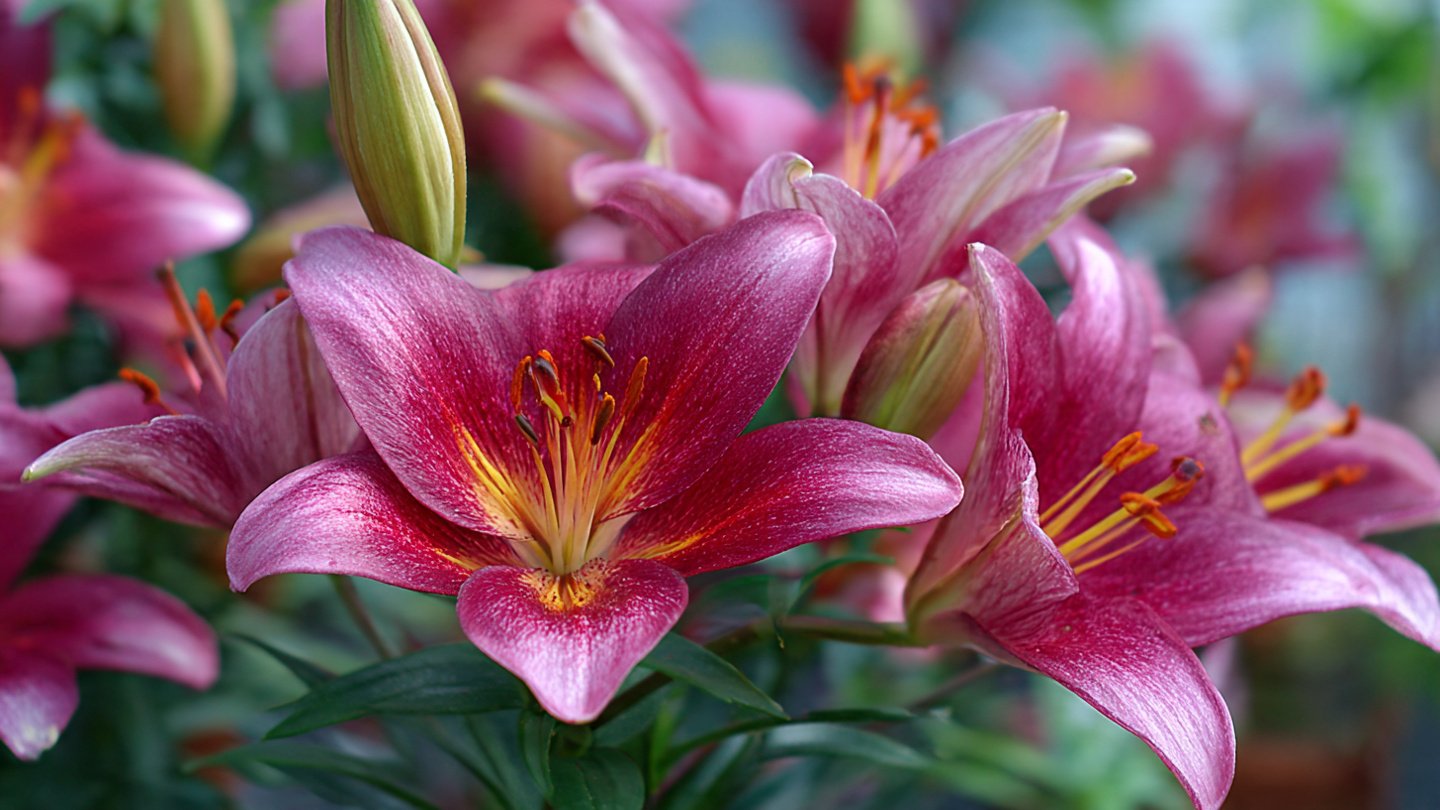
Lily plants (genus Lilium) are a favorite among gardeners for their stunning blooms and elegant presence. With a variety of colors and types, these perennial flowers can add a touch of sophistication to any home garden. If you’re eager to cultivate your own lilies, this guide will provide you with all the information you need to ensure a successful growing experience.
1. Understanding Lilies
1.1 Types of Lilies
Latest Posts
- How to Use Invisible Wire for a Stunning Climbing Plant Wall
- Are Your Garden Tools Making Your Plants Sick?
- How to Style a Small Studio with Columnar Cacti
- Why Is My Zucchini Shaped Like a Lightbulb?
- How to Protect Your Fruit From Birds Without Nets
- How to Keep Squirrels Away from Your Fruit Trees
- How to Protect Your Fruit from Birds Without Nets
- Why Biochar Is a Game-Changer for Your Kitchen Garden
- Why Some Rare Cacti Bloom Only One Night a Year
- How to Grow Rare Blue Strawberries at Home
Lilies are categorized into several groups, including:
-
Asiatic Lilies: These are known for their bright colors and robust nature. They bloom early in the summer and require little maintenance.
-
Oriental Lilies: Famous for their large, fragrant flowers, these varieties bloom later in the summer and tend to be taller.
-
Trumpet Lilies: Characterized by their trumpet-shaped flowers, these are excellent for cutting gardens due to their strong stems.
-
OT Hybrids: A cross between Oriental and Trumpet lilies, these hybrids offer the best of both worlds, including fragrance and size.

1.2 Characteristics
Lilies typically grow from bulbs and can reach a height of 1–6 feet, depending on the variety. They feature long, slender leaves and produce large, showy flowers. One of the most appealing aspects of lilies is their range of fragrances, from sweet to spicy.
2. Choosing the Right Location
2.1 Sunlight Requirements
Lilies thrive in full sun to partial shade. Ideally, they need at least six hours of direct sunlight each day to bloom effectively. A spot that receives morning sunlight and afternoon shade is often ideal, especially in hotter climates.
2.2 Soil Quality
Well-drained, nutrient-rich soil is essential for lily plants. They prefer slightly acidic to neutral pH levels (5.5 to 7.0). If your garden soil is clayey, consider amending it with organic matter like compost or peat moss to improve drainage.
3. Planting Lilies
3.1 When to Plant
The best time to plant lilies is in the spring or fall, depending on your climate zone. In most areas, spring planting is preferred to avoid frost, while fall planting allows the bulbs to establish roots before winter.
3.2 How to Plant
-
Prepare the Soil: Remove any weeds, rocks, or debris from the planting area. Loosen the soil to a depth of at least 12 inches.
-
Space the Bulbs: Plant bulbs roughly 6 to 12 inches apart, depending on the variety. Larger bulbs require more space.
-
Dig Holes: Dig holes that are three times the height of the bulbs. For example, if your bulbs are 2 inches tall, dig a hole that is 6 inches deep.
-
Plant the Bulbs: Place the bulbs in the holes with the pointed end facing up. Cover them with soil and water thoroughly.
-
Mulch the Area: Apply a layer of mulch to help retain moisture and suppress weeds.

4. Caring for Your Lilies
4.1 Watering
Lilies need consistent moisture, especially during their growing season. Water deeply at the base of the plant, ensuring that the soil remains damp but not soggy. Avoid overhead watering to prevent diseases.
4.2 Fertilization
Apply a slow-release balanced fertilizer in early spring as the new growth begins. A fertilizer higher in phosphorus can help promote blooming. Avoid high-nitrogen fertilizers, as they can encourage foliage growth at the expense of flowers.

4.3 Pruning
Remove dead or yellowing leaves as they appear. After blooming, cut back the stems to the ground to prepare the plants for dormancy.
4.4 Pest and Disease Management
Keep an eye out for common pests such as aphids and lily beetles. Hand-pick or use insecticidal soap to manage infestations. Fungal diseases can occur, especially in humid conditions; ensure good air circulation around your plants.
5. Winter Care
In colder climates, lilies need some protection during the winter months. After the first frost, cut back the stems to about 4–6 inches above the ground. Apply a layer of mulch to insulate the bulbs. In warmer climates, lilies may remain green and continue growing.
6. Dividing and Propagating Lilies
As lilies grow and multiply, it’s essential to divide them every 3–5 years to prevent overcrowding and encourage vigorous blooms.
6.1 When to Divide
The best time to divide lilies is in the fall, about 6 weeks before the first frost. This timing allows the bulbs to settle in before winter.

6.2 How to Divide
- Dig Up the Bulbs: Carefully dig around the plant and lift it out of the soil.
- Separate the Bulbs: Gently separate the bulbs from the clumps, ensuring each one has roots attached.
- Replant or Store: Replant the bulbs immediately or store them in a cool, dry place until ready to replant.
7. Companion Planting
Lilies pair beautifully with other plants in the garden. Consider planting them alongside daylilies, hostas, or perennial grasses for added texture. Be cautious of planting them close to plants that require heavy watering since lilies prefer well-drained soil.
8. Frequently Asked Questions (FAQs)
8.1 How long do lilies last once cut?
Once cut, lilies can last from 7 to 14 days, depending on the variety and care. To prolong their lifespan, change the water every few days and trim the stems at an angle.
8.2 Can I grow lilies in pots?
Yes, lilies can thrive in pots as long as they have well-draining soil and enough sunlight. Ensure that the pot has drainage holes and use a potting mix suitable for flowering plants.
8.3 Are lilies toxic to pets?

Yes, many species of lilies are toxic to cats and some to dogs. If you have pets, ensure that they do not have access to lily plants, and consider choosing alternatives for your garden.
8.4 Why are my lilies not blooming?
Several factors can contribute to a lack of blooms, including insufficient sunlight, overcrowded bulbs, or poor soil conditions. Ensure you’re providing optimal growing conditions and consider fertilizing to support blooming.
8.5 How often should I water lilies?
Water lilies consistently but let the top 1–2 inches of soil dry out between waterings. Adjust your watering routine based on the weather and soil drainage.
Conclusion
Growing beautiful lily plants in your home garden is not only rewarding but also enhances your outdoor space with vibrant colors and lovely fragrances. By understanding their specific needs, from soil and sunlight to watering and pest management, you can cultivate a stunning display of lilies year after year. Whether you desire a single pot or a sprawling garden, lilies are sure to impress and bring joy to any garden enthusiast. Happy gardening!