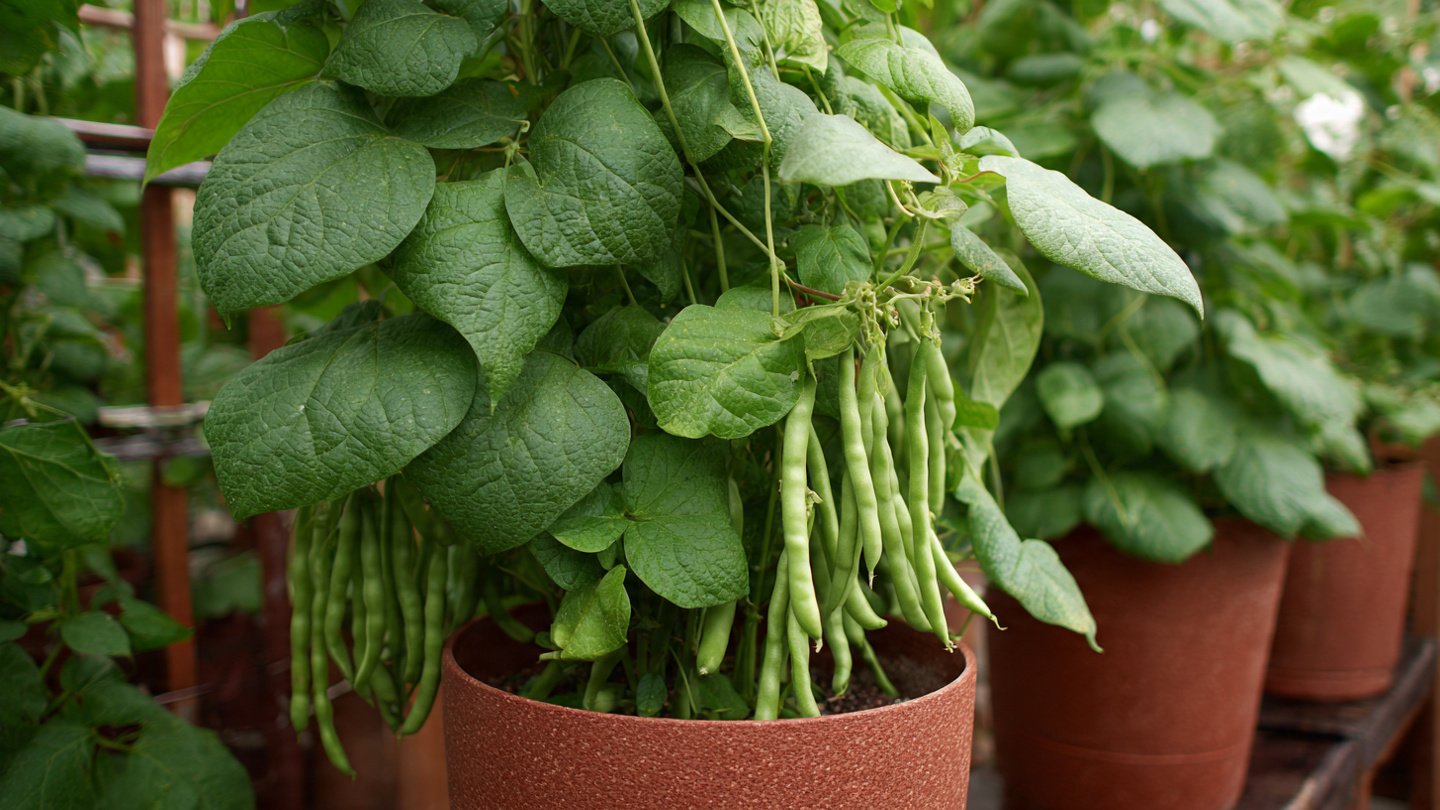
Growing beans in pots can be a rewarding and productive endeavor, especially for urban gardeners or those with limited space. Beans are relatively easy to grow, and their lush green foliage not only adds aesthetic appeal but also provides a delicious and nutritious harvest. This article will guide you through the steps necessary to grow beans in containers, covering everything from choosing the right bean variety to harvesting your crop.
Understanding Beans
Beans belong to the legume family and are known for their high protein content and versatility in various dishes. Common types of beans include:
Latest Posts
- How to Use Invisible Wire for a Stunning Climbing Plant Wall
- Are Your Garden Tools Making Your Plants Sick?
- How to Style a Small Studio with Columnar Cacti
- Why Is My Zucchini Shaped Like a Lightbulb?
- How to Protect Your Fruit From Birds Without Nets
- How to Keep Squirrels Away from Your Fruit Trees
- How to Protect Your Fruit from Birds Without Nets
- Why Biochar Is a Game-Changer for Your Kitchen Garden
- Why Some Rare Cacti Bloom Only One Night a Year
- How to Grow Rare Blue Strawberries at Home
- Bush Beans: Compact and grow to about 1-2 feet tall; ideal for small spaces.
- Pole Beans: Require a support structure to climb and can produce higher yields due to their vertical growing habit.
- String Beans: Crisp and flavorful, often eaten fresh.
- Lima Beans: Creamier and often used in a variety of recipes.
Selecting the Right Bean Variety
When choosing beans to grow in pots, consider the following factors:
-
Space Availability: If your container space is limited, opt for bush beans. For larger pots or trellised spaces, pole beans are advantageous.
-
Climate: Beans thrive in warm weather, typically growing best when nighttime temperatures are consistently above 50°F (10°C).
-
Purpose: Decide whether you want beans for fresh eating, freezing, or dried storage. Fresh beans like green beans and snap beans are best for immediate use, while varieties like kidney beans are suitable for long-term storage.
-
Container Size: Assign pot sizes based on the variety. Generally, a minimum of 5-gallons is recommended for bush beans, while pole beans may require even larger containers for root growth.

Choosing the Right Container
The choice of container is vital for successful bean cultivation. Look for:
- Size: Ensure the pot is large enough to accommodate the root system. A 12- to 18-inch deep pot is suitable for bush beans, while pole beans may require deeper pots for stability.
- Material: Terracotta, ceramic, plastic, and fabric pots each have their advantages. Terracotta pots provide good breathability, while plastic pots are lightweight and easier to handle.
- Drainage: Ensure the pot has drainage holes to prevent water logging, which can lead to root rot.
Soil Selection
Beans prefer well-draining soil rich in organic matter. Consider these soil components:
-
Potting Mix: Use a high-quality potting mix designed for container gardens. These mixes are often lightweight and provide excellent drainage.
-
Organic Matter: Incorporate compost or well-rotted manure to enhance soil fertility and improve water retention.
Planting Beans
-
Timing: Plant beans outside after the last frost, or start seeds indoors 4-6 weeks before the last frost date. Beans can be direct-sown into the pot.
-
Sowing: Plant seeds 1-2 inches deep, spaced according to the variety:
- Bush beans: 1-2 inches apart
- Pole beans: 3-4 inches apart
-
Covering Seeds: Gently cover with soil and firmly press down to ensure good seed-to-soil contact.
-
Watering: Water the soil thoroughly after planting. Moisture is essential for germination, but avoid overwatering.
Watering and Fertilizing
Beans require consistent moisture but do not like to be soggy. Here’s how to properly manage watering:
-
Watering Frequency: Check the top inch of soil for dryness; if it feels dry, it’s time to water.
-
Fertilizing: Beans are nitrogen-fixing plants, meaning they can utilize atmospheric nitrogen through nodules formed on their roots. Therefore, heavy fertilizers can be detrimental. A light application of balanced fertilizer at planting and again during flowering can be beneficial, but avoid over-fertilizing.
Providing Support for Pole Beans
If you’re growing pole beans, don’t forget to provide support for the plants to climb:
-
Trellis: A simple trellis can be made from wooden stakes, metal fencing, or even repurposed branches. Aim for a height of at least 5-6 feet.
-
Installation: Install the trellis when planting the beans to avoid damaging the roots later.
Pest and Disease Management
Beans can be susceptible to various pests and diseases. Keep an eye out for:
-
Common Pests:
- Aphids: Small green or black flying insects that can ruin your plants. Use insecticidal soap or neem oil.
- Bean Beetles: These can eat leaves and even seeds. Handpicking can control their population.
-
Diseases:
- Powdery Mildew: A fungal disease that appears as white spots on leaves. Ensure good air circulation and avoid overhead watering.
- Rust: Look for rust-colored spots on leaves. Remove and discard infected leaves and practice crop rotation.
Harvesting Beans
Timing your harvest is crucial for flavor and yield.
-
Bush Beans: Typically ready to harvest 50-60 days after planting. Pick them when they are firm and about 4-6 inches long.
-
Pole Beans: Can take a bit longer, around 60-70 days after planting, depending on the variety.
-
Dried Beans: If you’re growing beans for storage, wait until the pods are completely dry and brown, then shell and store in a cool, dry place.
Maximizing Yield and Flavor
-
Consistent Care: Regularly check for pests, water, and ensure your plants receive enough sunlight (at least 6-8 hours daily).
-
Succession Planting: To maximize yield, consider succession planting every 2-3 weeks during the growing season. This approach will help spread out your harvest.
-
Companion Planting: Plant beans alongside crops like corn or squash. Beans can fix nitrogen in the soil, benefiting neighboring plants.
FAQs
1. Can I grow beans indoors?
Yes, you can grow beans indoors as long as they receive sufficient light. Consider using grow lights if natural sunlight is insufficient.
2. How often should I water my beans?
Beans require consistent moisture. Generally, watering once a week should suffice, but this may vary depending on temperature and humidity.
3. Can I reuse potting soil for my beans?
While you can reuse old potting soil, mix it with fresh soil and compost to replenish nutrients.
4. Why are my beans not flowering?
Insufficient light, extreme temperatures, or overly rich soil can prevent beans from flowering. Ensure they are receiving the right conditions.
5. How do I know when to harvest dried beans?
Harvest dried beans when the pods are crisp and make a rattling sound when shaken.
By following these guidelines, you can enjoy a bountiful harvest of beans from pots, maximizing both yield and flavor. Happy gardening!