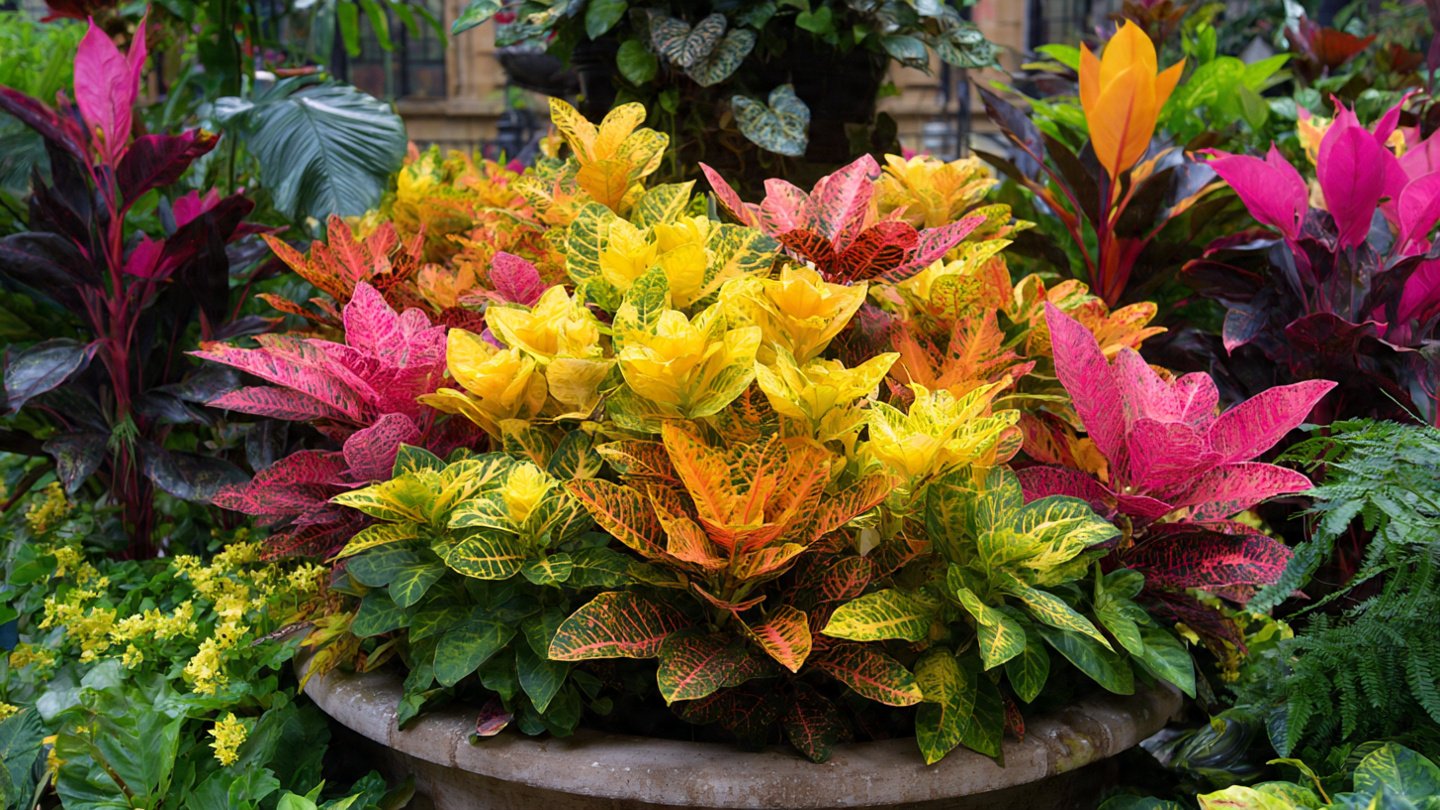
Croton plants (Codiaeum variegatum) are well-loved for their spectacular foliage, showcasing vibrant colors and varied patterns. Originally native to tropical regions, crotons thrive in warm climates and can bring an extraordinary touch of color to your garden or home. In this article, we’ll explore how to grow and care for croton plants, ensuring they remain a stunning centerpiece throughout the year.
Understanding Croton Plants
Croton plants come in a variety of species, each displaying an array of leaf shapes, sizes, and colors ranging from deep greens to bright yellows, oranges, and reds. Their bold foliage makes them a popular choice for landscaping and indoor decor.
Latest Posts
- How to Use Invisible Wire for a Stunning Climbing Plant Wall
- Are Your Garden Tools Making Your Plants Sick?
- How to Style a Small Studio with Columnar Cacti
- Why Is My Zucchini Shaped Like a Lightbulb?
- How to Protect Your Fruit From Birds Without Nets
- How to Keep Squirrels Away from Your Fruit Trees
- How to Protect Your Fruit from Birds Without Nets
- Why Biochar Is a Game-Changer for Your Kitchen Garden
- Why Some Rare Cacti Bloom Only One Night a Year
- How to Grow Rare Blue Strawberries at Home
Characteristics of Croton Plants
- Foliage: The leaves can be broad and dramatic, or narrow and lanceolate, with colors often mixed in striking patterns.
- Height: Crotons can grow anywhere from 2 to 10 feet tall, depending on the variety.
- Flowers: While typically grown for their leaves, crotons do produce clusters of small flowers, usually in summer.
Ideal Growing Conditions
Light Requirements
Crotons need bright, indirect sunlight for at least 6 hours a day. They flourish in areas that receive filtered light. Direct sunlight can scorch their leaves, while too little light can lead to color fading.
Soil Requirements
Use well-draining, rich soil to promote healthy growth. A potting mix containing peat or a commercial potting mix designed for tropical plants is ideal. Adding perlite can improve drainage.
Temperature and Humidity
Crotons thrive in warm, humid conditions. They prefer temperatures between 60°F and 85°F (15°C to 29°C). Protect them from cold drafts and frost, as they are sensitive to low temperatures. Maintaining humidity levels above 50% is essential, especially when growing indoors.

Planting and Propagation
Planting Crotons
-
Choose the Right Container: If planting in pots, use one with drainage holes. For ground planting, ensure the soil is well-prepared.
-
Filling the Pot: Fill your chosen container with a suitable potting mix. Leave some space at the top to ensure enough room for watering.
-
Positioning the Plant: Place the croton in the center of the pot, ensuring the root ball is level with the soil surface. Fill around the plant with more potting mix, pressing lightly to remove air pockets.
-
Watering After Planting: Water thoroughly to help settle the soil around the roots. Allow excess water to drain.
Propagation Methods
1. Stem Cuttings:
- Select a healthy, non-flowering stem measuring 6-8 inches.
- Cut below a node and remove the lower leaves.
- Dip the cut end in rooting hormone (optional).
- Plant in a moist, well-draining soil mix and provide humidity.
- Cover with a plastic bag to maintain moisture, and place in indirect light.
- Roots should develop in 4-6 weeks.

2. Seed Propagation:
- Collect seeds from ripe flowers and clean them.
- Sow them in a seed-starting mix, covering lightly.
- Keep the medium consistently moist until germination.
Care Tips for Croton Plants
Watering
Croton plants prefer to be kept consistently moist but not soggy. Water when the top inch of soil feels dry. During hot summer months, you may need to water more frequently, while in winter, reduce watering considerably.
Fertilization
Feed your croton during the growing season (spring and summer) using a balanced liquid fertilizer every 4-6 weeks. Dilute the fertilizer to half strength to avoid over-fertilizing, which can lead to leaf burn.
Pruning
Prune croton plants to maintain their shape and promote bushier growth. Remove any dead or damaged leaves and trim back leggy growth to encourage new shoots.
Pest Management
Watch for common pests such as spider mites, aphids, and mealybugs. If infestations occur, use insecticidal soap or neem oil. Regularly wiping down leaves can also help deter pests.

Seasonal Care Considerations
Spring and Summer
- This is the active growth period. Ensure they are well-watered and fertilized.
- If the plant is outdoors, provide partial shade during the hottest hours.
Autumn and Winter
- Gradually reduce watering as temperatures drop.
- If grown indoors, move the plant to a brighter location as daylight decreases.
- Monitor for pests more frequently, as indoor heating can dry the air.
Common Issues and Troubleshooting
Leaf Drop
If your croton plant is dropping leaves, it may be due to sudden temperature changes, overwatering, or underwatering. Check soil moisture and environmental conditions.
Faded Leaves
Leaves losing their vibrant color may be a result of insufficient light. Move the plant to a brighter location or supplement with grow lights if necessary.
Wilting
Wilting can indicate either underwatering or root rot due to overwatering. Check the soil for moisture levels and ensure proper drainages, such as holes in the pot.
Designing Your Garden With Crotons
Croton plants are excellent for various landscape designs, incorporating them into garden beds, borders, and as potted accent plants. They pair beautifully with other tropical plants, providing a rich and colorful tapestry of foliage.
Companion Planting
Best companions include:
- Bird of Paradise: Offers similar vibrant colors.
- Hibiscus: Bright blooms complement croton foliage.
- Palms: Provide a contrasting texture and height.
Arranging Your Garden
Consider creating layers with taller croton varieties at the back and shorter plants in the front. Mix different leaf colors and patterns for a stunning visual effect.
FAQs
1. How fast do croton plants grow?
Croton plants are relatively fast growers under ideal conditions. Depending on the variety and care provided, they can grow 6-12 inches per year.
2. Can croton plants survive indoors?
Yes, croton plants can thrive indoors with sufficient light. Ensure they receive at least 6 hours of bright, indirect sunlight.

3. Is it safe to have crotons around pets?
Croton plants are toxic to pets if ingested, potentially causing gastrointestinal upset. Keep them out of reach of curious pets or choose pet-friendly plants if necessary.
4. What is the ideal humidity level for crotons?
Crotons prefer humidity levels above 50%. In low humidity environments, consider using a humidifier or grouping plants together to create a more humid microclimate.
5. Do croton plants need to be repotted?
Repotting is typically needed every 1-2 years, especially if the plant’s roots are growing out of the drainage holes of the pot or if the soil has degraded.
6. Can croton plants tolerate cold weather?
Crotons are sensitive to cold and should be protected from frost. If temperatures drop below 50°F (10°C), it’s best to bring potted plants indoors.
Conclusion
Growing croton plants can transform your garden and home into a vibrant, colorful space. By understanding their needs and providing the right care, these tropical beauties can thrive and offer stunning displays all year round. Whether you’re starting with cuttings or purchasing mature plants, crotons are sure to be a wonderful addition to your botanical collection. With a bit of patience, attention, and creativity, your croton plants will become the envy of any garden enthusiast.