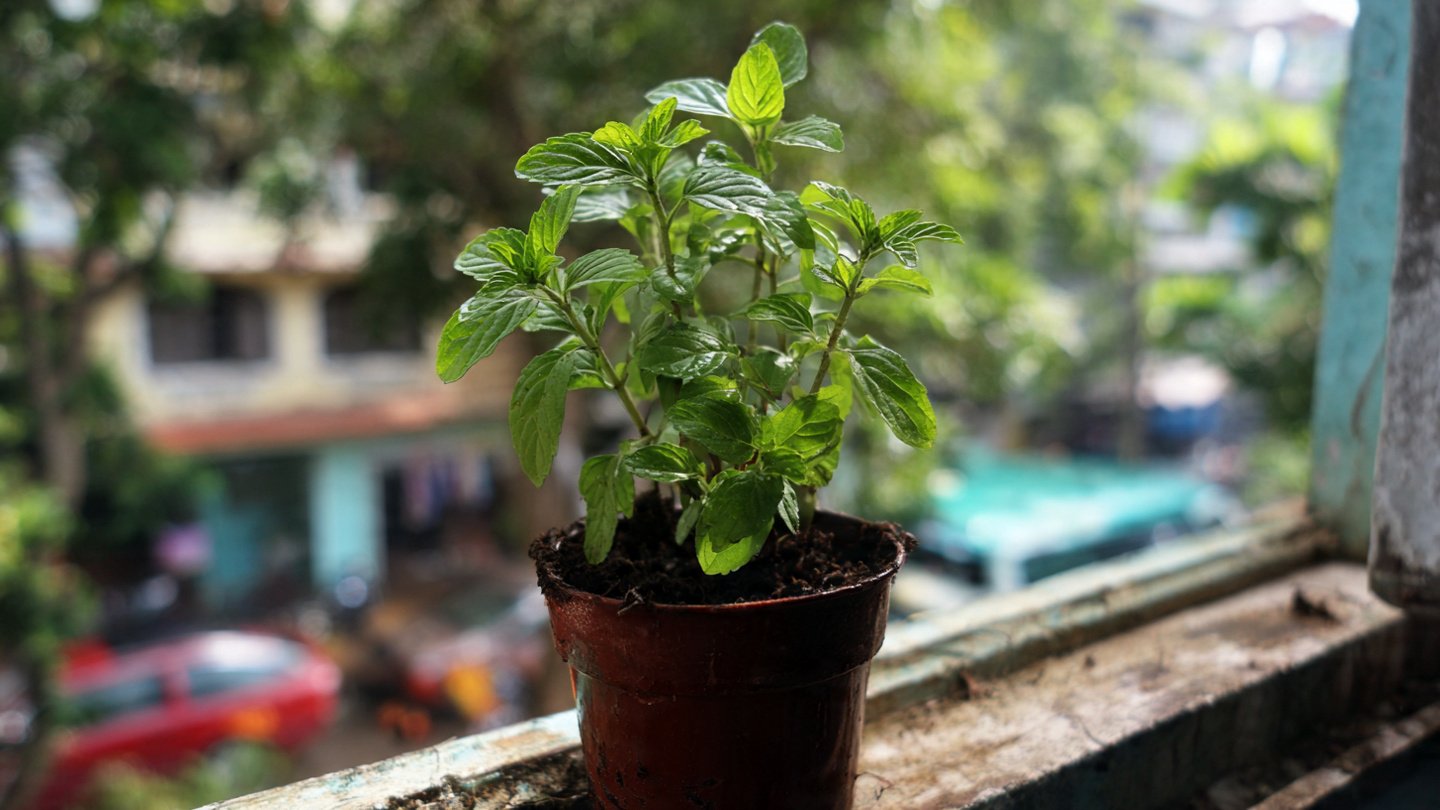
Tulsi, scientifically known as Ocimum sanctum, is a revered plant in Indian culture, often referred to as holy basil. Celebrated for its medicinal properties, aromatic leaves, and role in spiritual practices, Tulsi has gained popularity in households across the globe. If you’re eager to grow this beneficial herb at home, propagating it from cuttings is one of the easiest and most effective methods. In this guide, we will explore step-by-step techniques for growing Tulsi from cuttings, along with some tips and FAQs.
Why Grow Tulsi?
Health Benefits
Latest Posts
- How to Use Invisible Wire for a Stunning Climbing Plant Wall
- Are Your Garden Tools Making Your Plants Sick?
- How to Style a Small Studio with Columnar Cacti
- Why Is My Zucchini Shaped Like a Lightbulb?
- How to Protect Your Fruit From Birds Without Nets
- How to Keep Squirrels Away from Your Fruit Trees
- How to Protect Your Fruit from Birds Without Nets
- Why Biochar Is a Game-Changer for Your Kitchen Garden
- Why Some Rare Cacti Bloom Only One Night a Year
- How to Grow Rare Blue Strawberries at Home
-
Antioxidant Properties: Tulsi is rich in antioxidants, which help combat free radicals in the body.
-
Stress Relief: Known for its adaptogenic qualities, Tulsi can help reduce stress and anxiety.
-
Anti-Inflammatory: The compounds present in Tulsi possess anti-inflammatory effects, which can aid in alleviating various health issues.
-
Digestive Aid: Regular consumption of Tulsi can improve digestion and overall gut health.
Culinary Uses
Tulsi leaves add a unique flavor to various dishes. They can be used in:
-
Teas: A popular herbal tea that’s both refreshing and health-boosting.
-
Soups: Adds depth to broth-based soups.
-
Salads: Fresh leaves can offer a peppery taste to salads.
Spiritual Significance

In many Indian households, Tulsi is considered sacred, and it is often grown in homes for daily worship. It serves as a symbol of purity and devotion.
Getting Started: What You Need
Before diving into the propagation process, gather the following materials:
-
Healthy Tulsi Plant: Ensure you have a mature, healthy plant from which you can take cuttings.
-
Sharp Scissors or Pruning Shears: Clean and sharp tools to make clean cuts.
-
Small Pots or Containers: For planting the cuttings.
-
Potting Mix: A well-draining soil mix is ideal.
-
Water: For hydration and rooting.
-
Plastic Bag or Clear Plastic Bottle: To create a mini greenhouse effect, if desired.
Choosing the Right Time
The best time to take cuttings is during the growing season (spring to early summer) when the plant is actively growing. Avoid taking cuttings during the dormant winter months.
Step-by-Step Guide to Growing Tulsi from Cuttings
Step 1: Taking Cuttings
-
Select the Right Stem: Look for healthy stems that are at least 4-6 inches long, with several leaves. Avoid any stems that show signs of disease or damage.

-
Make the Cut: Use sharp scissors to cut just below a leaf node at a 45-degree angle. This helps maximize the surface area for water absorption.
-
Remove Lower Leaves: Trim off the lower leaves, leaving a few pairs of leaves on top. This will help the cutting focus its energy on rooting rather than sustaining leaves.
Step 2: Preparing the Cuttings
-
Let It Rest: Allow the cuttings to sit in a dry, cool place for a few hours. This step helps to prevent rot by allowing the cut ends to callus over.
-
Use Rooting Hormone (Optional): For an added boost, you may dip the cut ends in rooting hormone, which accelerates root development.
Step 3: Planting the Cuttings
-
Prepare Your Pots: Fill your small pots or containers with the potting mix. Water the soil lightly to ensure it’s moist but not soggy.
-
Plant the Cuttings: Make small holes in the soil with your finger or a pencil. Insert the cuttings gently, ensuring the leaf nodes are buried in the soil.
-
Space Cuttings Properly: If you’re planting multiple cuttings, ensure they are spaced adequately to allow airflow.
Step 4: Creating the Right Environment
-
Water Wisely: Water the soil lightly, ensuring it’s moist but not waterlogged. Overwatering can lead to rot.
-
Covering: To create a greenhouse effect, you can cover the pots with a plastic bag or a clear plastic bottle cut in half. Make sure there’s some ventilation to avoid mold growth.
-
Light Exposure: Place the pots in a location where they can receive bright, indirect sunlight. Direct sunlight can be harsh for the cuttings.

Step 5: Caring for Your Cuttings
-
Monitor Moisture: Check the soil regularly. The top inch should be moist but not soggy. If the soil dries out, water it gently.
-
Remove Covering: After a couple of weeks, gradually remove the covering to acclimate the cuttings to the room environment.
-
Transplanting: After 4-6 weeks, once the cuttings have developed healthy roots (you can gently tug them to feel resistance), it’s time to transplant them into larger pots or directly into your garden.
Step 6: Transplanting to a Garden
If you choose to plant directly in the garden, ensure:
-
Soil Preparation: The garden soil is nutrient-rich and well-draining.
-
Spacing: Plant the Tulsi at least 12 inches apart when transplanting them into your garden.
-
Allow for Growth: Continue to care for them by watering and providing adequate sunlight.
Maintenance and Care
-
Watering: Tulsi prefers slightly moist soil. Water when the top inch feels dry.
-
Fertilizing: Feed the plants with a balanced fertilizer every 4-6 weeks during the growing season.
-
Pinching Back: Regularly pinch back the growing tips to encourage bushier growth and prevent the plant from becoming leggy.
-
Pest Management: Watch for aphids or whiteflies. Regularly check your plants and remove any affected leaves. Organic insecticidal soap can also be helpful if infestations occur.
Harvesting Tulsi
Once your Tulsi plant is sufficiently grown, you can start harvesting the leaves. Generally, you can start harvesting about 6-8 weeks after transplanting. Regular harvesting encourages new growth.
-
Trim Leaves: Use scissors to cut leaves just above a node, which stimulates further growth.
-
Harvesting Frequency: You can harvest leaves continuously throughout the growing season.
Tips for Maximum Growth
-
Good Drainage: Ensure proper drainage in pots to prevent root rot.
-
Pruning: Regularly prune the plant to maintain its shape and encourage bushier growth.
-
Sunlight: Ensure the plant gets at least 6 hours of sunlight daily.
FAQs
1. How long does it take for Tulsi cuttings to root?
Typically, it takes about 4 to 6 weeks for Tulsi cuttings to develop roots. However, conditions like humidity and temperature can affect rooting time.

2. Can I grow Tulsi indoors?
Yes, Tulsi thrives indoors if provided with adequate sunlight. Consider placing it near a south-facing window where it can receive ample indirect sunlight.
3. What type of soil is best for growing Tulsi?
Well-draining, nutrient-rich potting soil is ideal for growing Tulsi. You can mix regular potting soil with perlite or sand to enhance drainage.
4. Can I propagate Tulsi in water?
Yes, you can propagate Tulsi cuttings in a glass of water. Change the water every few days until roots develop and then transplant into soil.
5. How often should I water my Tulsi plants?
Water your Tulsi plants when the top inch of soil feels dry. Ensure it is moist, but avoid overwatering, which can lead to root rot.
6. Does Tulsi need to be fertilized?
Yes, Tulsi benefits from regular fertilization during the growing season. Use a balanced, all-purpose fertilizer every 4-6 weeks for the best results.
7. How can I prevent pests on my Tulsi plants?
Regularly inspect your plants for pests and remove affected parts. You can use neem oil or insecticidal soap to treat infestations organically.
Conclusion
Growing Tulsi from cuttings is a rewarding and straightforward process that can be accomplished by anyone, regardless of gardening expertise. With just a few simple steps and continuous care, you can cultivate this powerful herb right at home. Whether for health, culinary, or spiritual uses, Tulsi will surely enrich your life. Happy gardening!