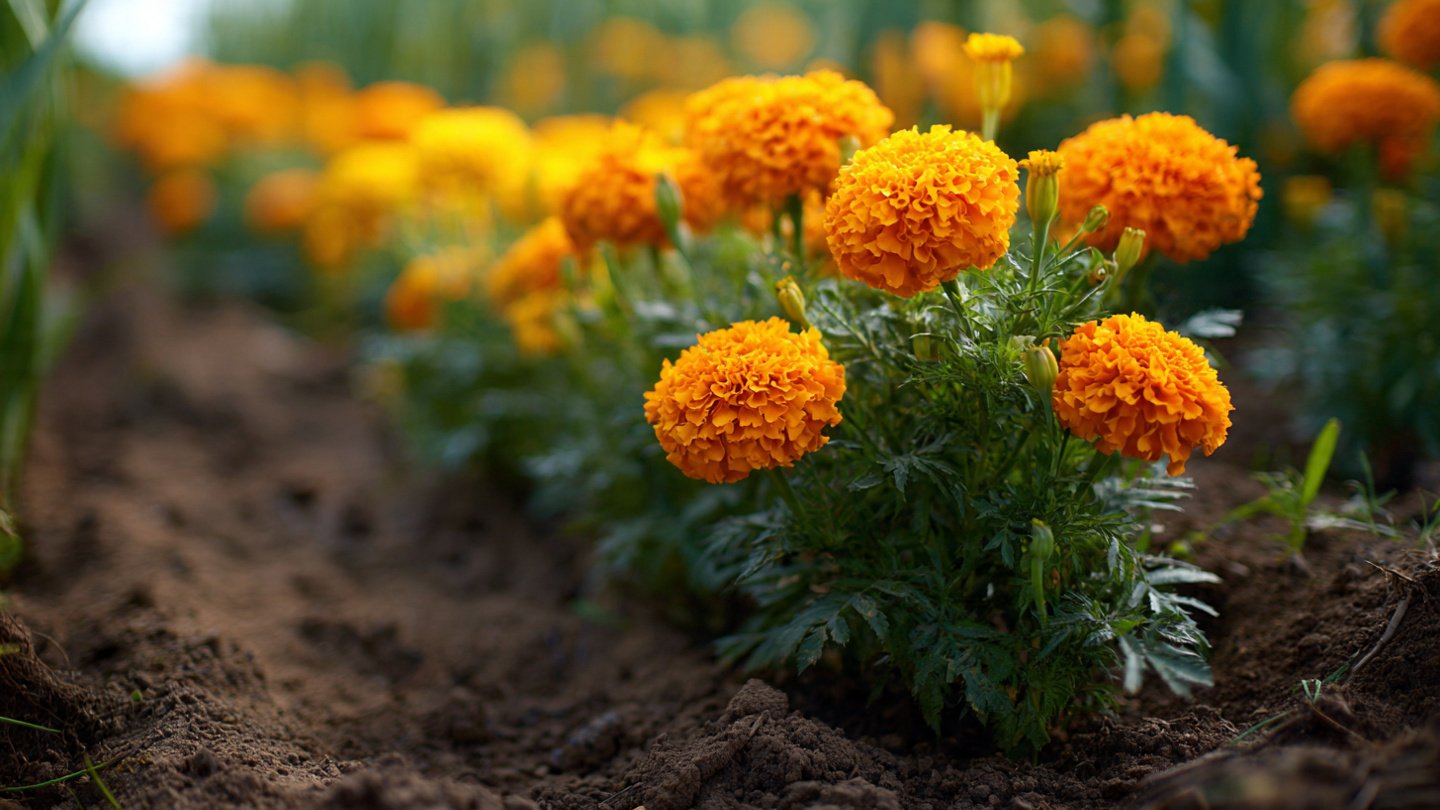
Marigolds, with their vibrant colors and delightful scents, are a staple in many gardens. These hardy annuals are not only beautiful but also serve various practical purposes, such as repelling pests and attracting beneficial insects. Growing marigolds from seeds can be a rewarding experience, bringing bursts of color and life to your garden. In this article, we will explore effective methods for growing marigolds from seeds, including preparation, planting, care, and harvesting.
1. Understanding Marigolds
Before diving into the growing process, it’s essential to understand what marigolds are. The two most common types are:
Latest Posts
- How to Use Invisible Wire for a Stunning Climbing Plant Wall
- Are Your Garden Tools Making Your Plants Sick?
- How to Style a Small Studio with Columnar Cacti
- Why Is My Zucchini Shaped Like a Lightbulb?
- How to Protect Your Fruit From Birds Without Nets
- How to Keep Squirrels Away from Your Fruit Trees
- How to Protect Your Fruit from Birds Without Nets
- Why Biochar Is a Game-Changer for Your Kitchen Garden
- Why Some Rare Cacti Bloom Only One Night a Year
- How to Grow Rare Blue Strawberries at Home
-
African Marigolds (Tagetes erecta): These are tall and bushy, with large blooms and a vibrant orange or yellow color. They can grow up to 36 inches tall.
-
French Marigolds (Tagetes patula): These are shorter, usually 6 to 18 inches tall, and feature smaller blooms in a range of colors, including yellow, orange, red, and even mahogany.
Marigolds are known for their resilience and can thrive in various conditions, making them an excellent choice for both novice and experienced gardeners.
2. Preparing to Plant
A. Choosing the Right Seeds
When selecting marigold seeds, consider the type you want to grow and the climate in your area. Look for healthy seeds from reputable suppliers. Hybrid seeds are often more vigorous but will not produce exact copies of their parent plants, while heirloom varieties will provide consistent offspring.
B. Timing Your Planting
Marigolds thrive in warmer temperatures. Depending on your climate, you can either start seeds indoors or sow them directly in the garden.

-
Indoors: Start seeds about 6 to 8 weeks before the last frost date. This gives the plants a head start.
-
Outdoors: Marigold seeds can be sown directly into the garden bed after the risk of frost has passed and the soil has warmed, usually in late spring or early summer.
C. Soil Preparation
The right soil is vital for seed germination and healthy growth. Follow these steps to prepare the soil:
-
Choose the Right Location: Marigolds prefer a location with full sun (at least 6 hours of sunlight per day).
-
Soil Quality: Use well-draining soil enriched with organic matter. A pH level between 6.0 and 7.0 is ideal.
-
Amend the Soil: If necessary, mix in compost or well-rotted manure to improve soil fertility and drainage.
3. Planting Marigold Seeds
A. Sowing the Seeds
Indoor Planting

- Containers: Use seed trays or small pots with drainage holes.
- Fill Containers: Fill them with a seed-starting mix, leaving about an inch of space at the top.
- Water the Soil: Moisten the soil with water until it’s evenly damp but not soggy.
- Sow Seeds: Plant seeds about ¼ inch deep and spaced at least 6 inches apart (you can thin them later).
- Cover and Label: Gently cover the seeds with soil, label the pots with the seed type and date, and cover the tray with plastic to retain moisture.
Outdoor Planting
- Prepare the Garden Bed: Rake the area to create a smooth surface.
- Create Rows: Use a hoe to make shallow rows in the soil.
- Space Seeds: Sow seeds about 12 inches apart for larger varieties and 8 inches apart for smaller types.
- Cover Seeds: Lightly cover with soil and water gently.
B. Germination
- Indoor Germination: Place the trays in a warm location (around 70°F to 75°F). Once the seeds sprout, remove the plastic cover.
- Outdoor Germination: Keep the soil moist but not soggy. Germination typically takes 5 to 10 days.
4. Caring for Marigolds
A. Watering
Keep the soil evenly moist but avoid overwatering. Once plants are established, marigolds are relatively drought-resistant. Water them deeply about once a week, allowing the soil to dry out slightly between watering.

B. Fertilizing
Marigolds don’t require heavy fertilization, but a light feeding can enhance growth:
- Organic Fertilizer: Use a balanced, slow-release fertilizer once every month.
- Liquid Fertilizer: Alternatively, you can use a diluted liquid fertilizer every couple of weeks during the growing season.
C. Pruning and Deadheading
Regular deadheading (removing spent flowers) encourages new blooms and prolongs the flowering season. Simply pinch or cut off the faded flowers at their base. Additionally, if the plants become leggy, you can cut back stems to encourage bushier growth.
D. Pest and Disease Management
Marigolds are generally pest-resistant due to their strong scent. However, be on the lookout for common pests like aphids and spider mites. Use insecticidal soap or neem oil if necessary. Diseases like powdery mildew can occur in humid conditions; ensure proper spacing for air circulation.
5. Harvesting Marigolds
When harvesting marigold seeds, select the strongest and healthiest plants. Allow the flowers to dry out on the plant until they turn brown and crispy. This indicates that the seeds are mature:
-
Cut the Flower Heads: Cut the heads off the plant and place them in a well-ventilated area to dry further.
-
Collect Seeds: Once dry, gently break apart the flower heads to retrieve the seeds. Store them in a cool, dry place in a labeled envelope for next season’s planting.
6. Frequently Asked Questions (FAQs)
Q1: How long does it take for marigold seeds to sprout?
A: Marigold seeds typically germinate within 5 to 10 days, depending on the temperature and moisture conditions.
Q2: Can I grow marigolds in pots?
A: Yes, marigolds grow exceptionally well in containers. Ensure the pots are at least 6-8 inches deep and have good drainage.
Q3: How often should I water marigolds?
A: Water marigolds deeply about once a week, allowing the soil to dry out slightly between watering sessions.
Q4: Do marigolds repel pests?
A: Yes, marigolds are known to repel certain pests like nematodes and aphids, making them excellent companion plants for gardens.
Q5: Can I save marigold seeds for next year?
A: Absolutely! You can save seeds from healthy, mature flower heads. Store them in a cool, dry place for next season.
Q6: When should I deadhead marigolds?

A: Deadhead marigolds whenever spent flowers appear. This promotes new blooms and prolongs the flowering season.
Q7: What type of soil do marigolds prefer?
A: Marigolds thrive in well-draining soil enriched with organic matter, with a pH level between 6.0 and 7.0.
Q8: Are marigolds annuals or perennials?
A: Marigolds are annuals, meaning they complete their life cycle in one season. They are typically replanted each year.
Q9: How do I stop marigolds from becoming leggy?
A: To prevent leggy growth, ensure that marigolds receive adequate sunlight (at least 6 hours a day) and consider pruning or pinching back the stems.
Q10: Can I plant marigolds near vegetable gardens?
A: Yes, marigolds make excellent companion plants in vegetable gardens as they deter pests and attract beneficial insects.
Conclusion
Growing marigolds from seeds is a straightforward and rewarding process. By following the steps outlined in this guide—ranging from soil preparation to caring for your plants—you can enjoy a vibrant display of marigolds in your garden. Their beauty, coupled with their advantages as pest repellents, makes them a must-have for any gardening enthusiast. Happy gardening!