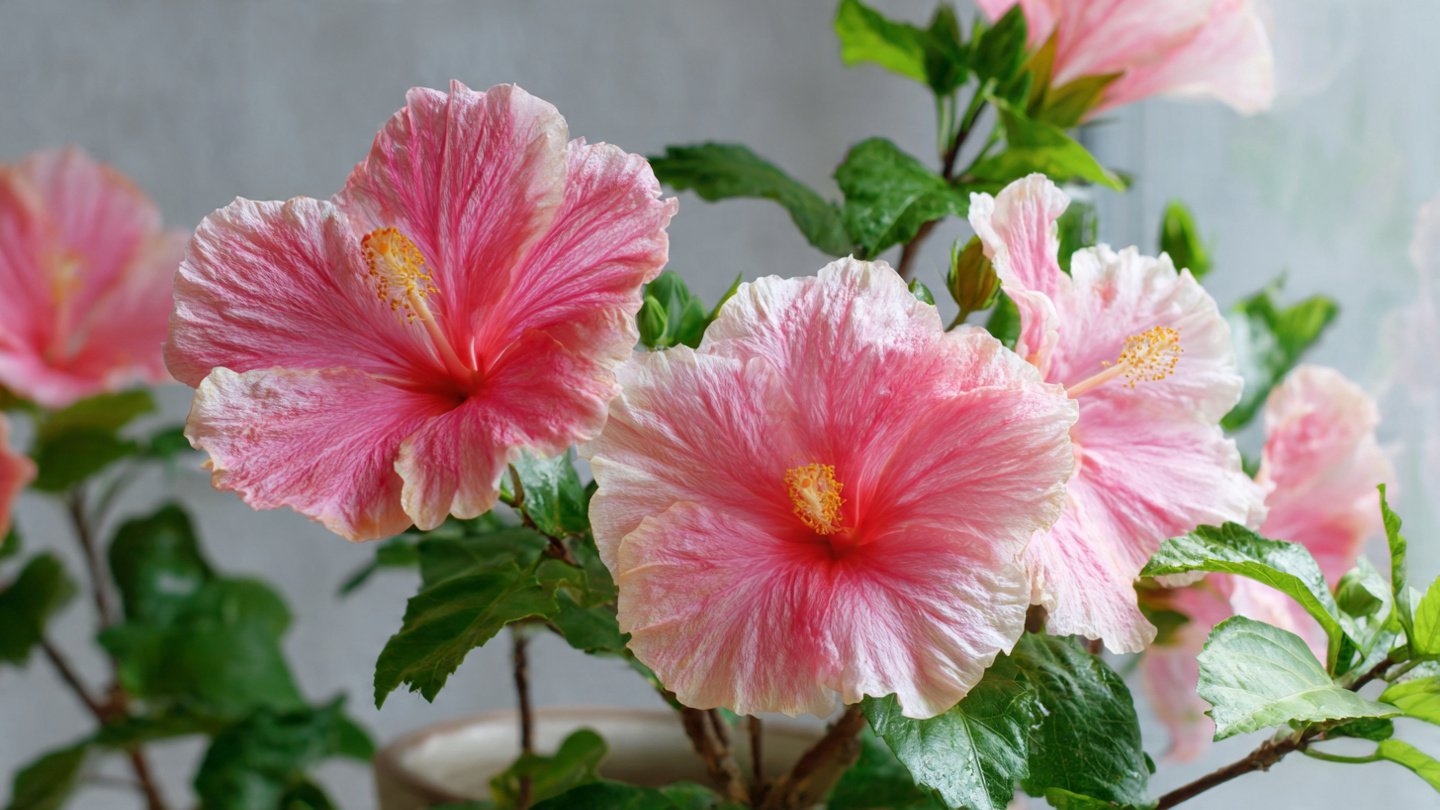
Hibiscus plants, known for their stunning, vibrant flowers, can be a magnificent addition to any garden or indoor space. With the right techniques, you can easily propagate these beautiful plants at home, ensuring a continual supply of blooms that brighten your environment. Whether you’re a seasoned gardener or a beginner, this guide will outline the easiest methods for propagating hibiscus plants, along with tips for successful growth.
Understanding Hibiscus Varieties
Hibiscus plants come in a variety of types, each with its unique charm:
Latest Posts
- How to Use Invisible Wire for a Stunning Climbing Plant Wall
- Are Your Garden Tools Making Your Plants Sick?
- How to Style a Small Studio with Columnar Cacti
- Why Is My Zucchini Shaped Like a Lightbulb?
- How to Protect Your Fruit From Birds Without Nets
- How to Keep Squirrels Away from Your Fruit Trees
- How to Protect Your Fruit from Birds Without Nets
- Why Biochar Is a Game-Changer for Your Kitchen Garden
- Why Some Rare Cacti Bloom Only One Night a Year
- How to Grow Rare Blue Strawberries at Home
- Tropical Hibiscus: Known for their large, showy flowers that bloom year-round in warmer climates.
- Hardy Hibiscus: These perennials bloom in late summer and thrive in colder climates, offering larger blooms.
- Rose of Sharon (Hibiscus syriacus): A deciduous shrub that provides a long-lasting flower display.
Understanding which type of hibiscus you want to propagate will guide your propagation method, as certain types may respond better to specific techniques.
Why Propagate Hibiscus at Home?
- Cost-Effective: Instead of purchasing new plants, you can multiply your existing hibiscus.
- Control: You can select specific traits from parent plants, which may yield plants with desired characteristics.
- Satisfaction: There’s an inherent joy in watching a plant you nurtured bloom.
1. Propagating Through Cuttings
Method Overview
Propagation through cuttings is one of the easiest methods. This involves taking a piece of a healthy hibiscus stem and encouraging it to grow roots.
Steps to Follow
-
Choose the Right Time: Late spring to early summer is ideal when the plant is actively growing.

-
Select a Healthy Stem: Look for a stem that is at least 4-6 inches long with several leaves. Avoid stems with any signs of disease or pests.
-
Make the Cut: Use a clean, sharp knife or pruning shears to snip the stem just below a node (the part of the stem where leaves emerge).
-
Prepare the Cutting: Remove the leaves from the lower half of the cutting, leaving two or three at the top to facilitate photosynthesis.
-
Optional – Use Rooting Hormone: Dipping the cut end in rooting hormone can promote faster root growth, although it’s not strictly necessary.
-
Plant the Cutting: Place the cutting in a pot filled with a well-draining potting mix or a mixture of perlite and peat moss.
-
Water and Cover: Water the soil until it is moist but not soggy. To create a humid environment, cover the pot with a plastic bag or a clear dome.
-
Provide Indirect Light: Place the pot in a location that receives bright, indirect light. Direct sunlight can scorch the cutting.
-
Monitor Growth: Within a few weeks, roots should begin to form. You can gently tug on the cutting to feel for resistance, which indicates root establishment.
-
Transplant: Once well-rooted and showing new growth, transplant to a larger pot or your garden.
Tips for Success
- Ensure soil stays moist but not waterlogged.
- Avoid fertilizing until the plant is established.
2. Propagation from Seeds

Method Overview
Starting hibiscus from seeds is a rewarding endeavor that requires a bit more patience but can yield vibrant new colors and characteristics.
Steps to Follow
-
Collect Seeds: You can collect seeds from a mature hibiscus pod. Allow the pod to dry completely on the plant before harvesting.
-
Prepare for Sowing: Soak seeds in water for 24 hours to soften the seed coat, which helps in germination.
-
Plant the Seeds: Fill a seed tray or small pots with a seed starter mix. Sow the seeds about ½ inch deep and cover lightly with soil.
-
Water Wisely: Water gently to avoid washing away the seeds. Ensure the soil is moist but not soggy.
-
Provide Warmth: Hibiscus seeds germinate best at temperatures around 70-85°F (21-29°C). You can use a heating mat if necessary.
-
Offer Light: Once seedlings emerge, place them under grow lights or in a bright, sunny window.
-
Thin Seedlings: Once seedlings have grown a couple of true leaves, thin them out so that the strongest ones have enough space to grow.
-
Transplanting: After a few weeks, when they are strong enough, transplant them to larger pots or your garden.
Tips for Success
- Be patient; germination can take 2-6 weeks.
- Keep seedlings well-watered and provide plenty of light to avoid leggy growth.

3. Layering
Method Overview
Layering is a less common but effective way to propagate hibiscus, especially robust varieties. This method involves rooting a stem while it’s still attached to the parent plant.
Steps to Follow
-
Select a Stem: Choose a low, flexible branch that can easily reach the ground.
-
Make a Notch: Using a clean knife, make a shallow cut about one-third of the way through the stem, just below a node.
-
Bury the Notched Section: Bend the stem down to the soil and bury the notched section while leaving the tip exposed.
-
Secure with Soil: You can use small rocks or soil to keep the stem in place.
-
Water Regularly: Continue to water the area, providing enough moisture for root development.
-
Sever and Transplant: Once roots have formed (about 6-8 weeks), sever the new plant from the parent and transplant.
Tips for Success
- Make sure the buried section remains moist.
- Keep the parent plant healthy since it provides nutrients to the new growth.
4. Division
Method Overview
If you have a mature bush, division can be an effective way to propagate hibiscus.
Steps to Follow
-
Choose Timing: Late spring or early fall is the best time for division.
-
Prepare the Plant: Water the hibiscus a day before the operation to ensure it’s hydrated.
-
Dig Up the Plant: Carefully lift the entire plant from the ground, ensuring you don’t damage the roots.
-
Divide the Plant: Using a sharp spade, divide the root ball into two or more sections, making sure each section has plenty of roots and stems.
-
Replant Immediately: Replant each section into its new location, ensuring the top of the roots are at soil level.
-
Water Thoroughly: Give each new plant a good watering and keep the soil moist until established.
Tips for Success
- Avoid dividing plants that are stressed or diseased.
- Monitor for pests after division, as new plants can be vulnerable.
Caring for Newly Propagated Hibiscus Plants
No matter which propagation method you choose, providing the right care is essential for your hibiscus plants to thrive:

- Light: Hibiscus prefers bright, indirect sunlight. Too much direct sun can scorch the leaves.
- Watering: Keep the soil consistently moist but avoid soggy conditions, particularly for cuttings.
- Fertilizing: Once established, a balanced fertilizer every few weeks will stimulate growth. Focus on low nitrogen formulations to encourage blooming.
- Pruning: Regularly deadhead and prune your hibiscus to promote bushier growth and more flowers.
FAQs
1. How long does it take for hibiscus cuttings to root?
Typically, hibiscus cuttings require 2-6 weeks to root, depending on environmental conditions and care.
2. Can I propagate hibiscus in water?
Yes, you can propagate in water, but it’s usually more effective in soil. If you choose water propagation, change the water regularly and transplant once roots develop.
3. Do I need artificial light for seedlings?
If natural light is insufficient (e.g., during winter months), using grow lights will benefit the seedlings greatly.
4. How often should I water newly propagated hibiscus plants?
For newly propagated cuttings, keep the soil moist but not soggy. For seedlings, check daily for moisture, especially in warmer weather.
5. When can I expect blooms on newly propagated plants?
Depending on the method and plant health, new hibiscus plants can bloom in 6-12 months, although it varies with different species.
Conclusion
Propagating hibiscus plants at home is a rewarding process that can lead to beautiful blooms and an expanded garden. By selecting the right propagation method and providing proper care, you can enjoy the stunning beauty of hibiscus plants year-round. Whether through cuttings, seeds, layering, or division, each plant you propagate adds to your gardening success. Happy planting!