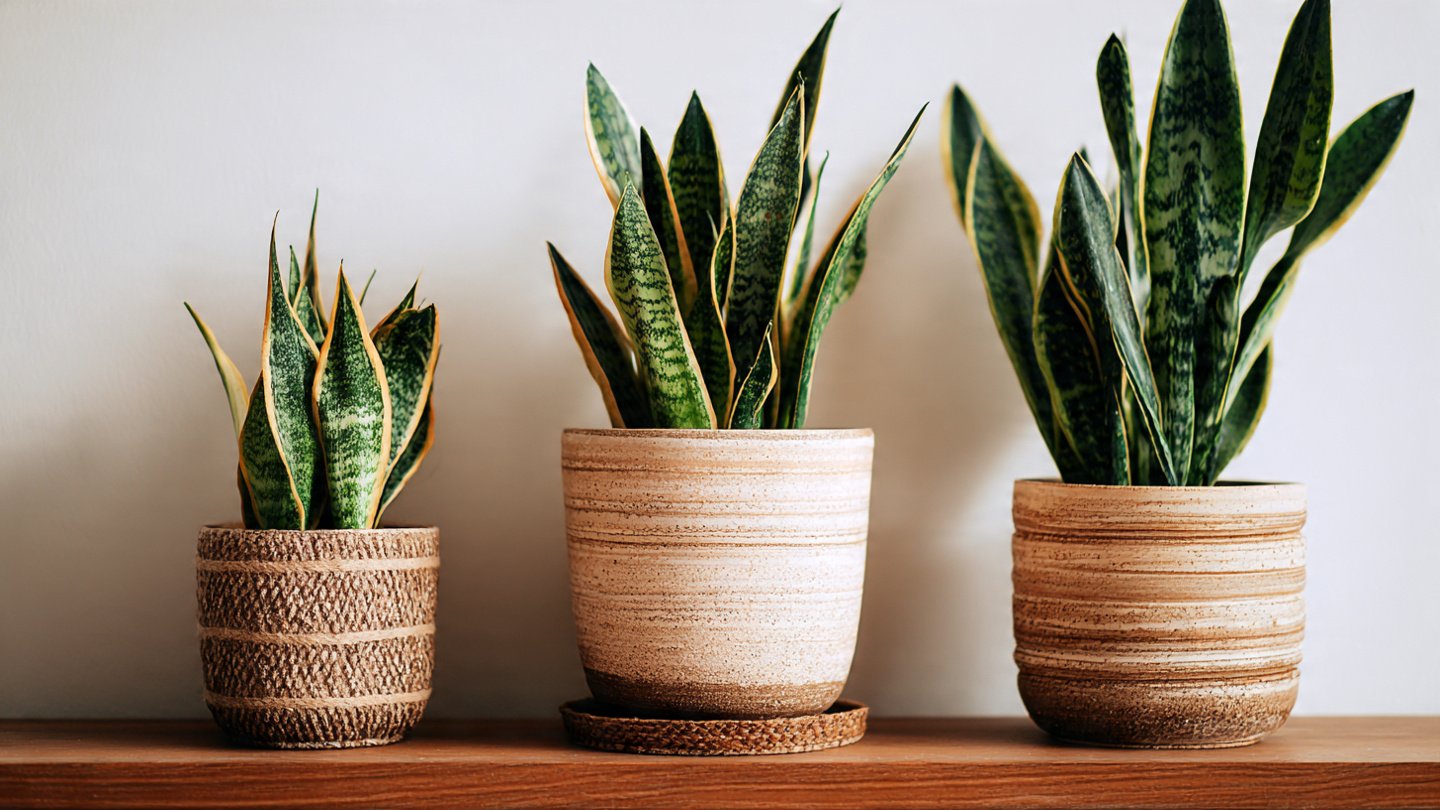
Snake plants, scientifically known as Sansevieria or Dracaena trifasciata, are among the most popular houseplants worldwide. With their striking architectural leaves and easy-care nature, they’re ideal for both seasoned and novice plant enthusiasts. This guide will cover everything you need to know to successfully grow snake plants at home, covering everything from choosing the right pot to common issues and FAQs.
Understanding Snake Plants
Before diving into the practical aspects of care, it’s important to understand what snake plants are. Originating from West Africa, these hardy plants come in various sizes, shapes, and colors, featuring tall, upright leaves that can grow anywhere from a few inches to several feet. Their unique look makes them an attractive addition to various interior styles.
Latest Posts
- How to Use Invisible Wire for a Stunning Climbing Plant Wall
- Are Your Garden Tools Making Your Plants Sick?
- How to Style a Small Studio with Columnar Cacti
- Why Is My Zucchini Shaped Like a Lightbulb?
- How to Protect Your Fruit From Birds Without Nets
- How to Keep Squirrels Away from Your Fruit Trees
- How to Protect Your Fruit from Birds Without Nets
- Why Biochar Is a Game-Changer for Your Kitchen Garden
- Why Some Rare Cacti Bloom Only One Night a Year
- How to Grow Rare Blue Strawberries at Home
Benefits of Snake Plants
- Air Purification: Snake plants are known for their ability to filter toxins from the air, making your space healthier.
- Low Maintenance: They thrive on neglect, requiring minimal watering or attention.
- Versatile: They can adapt to a range of lighting conditions, from low light to bright, indirect sunlight.
- Aesthetic Appeal: Their architectural leaves can complement any decor, adding a touch of elegance.
Choosing the Right Snake Plant
Varieties to Consider
There are several varieties of snake plants, each offering its unique characteristics.
- Sansevieria trifasciata: This is the classic snake plant, recognized for its tall, stiff leaves with dark green and light green bands.
- Sansevieria cylindrica: Known as the cylindrical snake plant, its leaves grow upright and cylindrical.
- Sansevieria moonshine: This variety has silvery-green leaves and a smoother texture.

Selecting a Healthy Plant
When purchasing a snake plant, choose one that is healthy. Look for:
- Vibrant, Firm Leaves: Avoid plants with yellow or wilting leaves.
- No Pest Damage: Check for signs of pests like spider mites or mealybugs.
- Healthy Roots: If possible, inspect the root system; it should be white or light brown and firm.
Potting and Soil
Choosing the Right Pot
Select a pot that has drainage holes to prevent water from accumulating at the bottom. Snake plants do well in clay or ceramic pots that allow for air circulation.
Soil Requirements
The ideal soil for snake plants is well-draining. A cactus mix or a blend of potting soil mixed with sand or perlite works well. This helps prevent root rot, which is a common issue for snake plants.
Light Requirements
Snake plants are incredibly versatile in terms of light conditions:
- Low Light: They can survive in low-light areas, making them perfect for offices and bedrooms.
- Indirect Bright Light: While they can tolerate low light, they thrive in bright, indirect sunlight.
- Avoid Direct Sunlight: Direct exposure to intense sunlight can scorch the leaves.

Watering Guidelines
One of the most common mistakes new plant owners make is overwatering their snake plants. Here’s what you need to know:
- Frequency: Water only when the top inch of soil is dry. This might mean watering every 2-6 weeks, depending on the season.
- Technique: Water thoroughly but ensure excess drains out of the pot’s drainage holes.
- Seasonal Adjustments: In winter, reduce watering frequency as the plant’s growth slows down.
Temperature and Humidity
Ideal Conditions
Snake plants prefer temperatures between 60°F to 80°F (15°C to 27°C). They can tolerate occasional dips to 50°F (10°C), but prolonged exposure can harm them.
Humidity Levels
Snake plants thrive in average humidity levels. They do not require high humidity but benefit from occasional misting, especially in dry environments.
Fertilization
While snake plants do not need much fertilizer, feeding them once during the growing season (spring and summer) can promote healthy growth:

- Type of Fertilizer: Use a balanced houseplant fertilizer or a 10-10-10 liquid fertilizer.
- Application: Dilute the fertilizer to half-strength and apply it during watering, following the package instructions.
Propagation
Snake plants can be easily propagated, making them a great choice for those who want to expand their collection or share with friends. There are a few methods to propagate snake plants:
Leaf Cuttings
- Select a healthy leaf and cut it into sections, each about 4-6 inches long.
- Let the cuttings dry for a few days until the cut ends callus over.
- Plant the cuttings in moist potting soil, ensuring they’re inserted upright.
- Water lightly and place the cuttings in a warm, indirect light location.
Plant Division
- Remove the snake plant from its pot and gently separate the root ball into sections with several leaves each.
- Re-pot each division into a new pot with well-draining soil.
- Water lightly to encourage growth.
Common Issues

Yellow Leaves
This can indicate overwatering. Make sure the soil dries out before the next watering.
Root Rot
If leaves are yellowing and mushy, the plant may have root rot. Remove the plant from its pot, trim away rotten roots, and re-pot in fresh, dry soil.
Pests
Common pests include spider mites and mealybugs. Treat infestations with insecticidal soap or alcohol on a cotton swab.
Seasonal Care
Winter Care
During winter, snake plants enter dormancy. Reduce watering further and keep them in a more protected area to ensure they don’t get too cold.
Summer Care
In summer, you may notice increased growth and activity. Water more frequently during this time but still allow the soil to dry out.
FAQs
1. How often should I water my snake plant?
Water your snake plant only when the top inch of soil is dry. This usually translates to every 2-6 weeks, depending on the environment.

2. Can I keep my snake plant outdoors?
Yes, but only in USDA zones 9-11. If you live in a cooler area, bring them indoors when temperatures drop.
3. Why are the tips of my snake plant turning brown?
Brown tips can result from underwatering, low humidity, or direct sunlight exposure. Assess the care conditions and adjust as needed.
4. Can snake plants grow in low light?
Yes, snake plants can thrive in low-light environments, making them perfect for offices or rooms with minimal natural light.
5. Is snake plant toxic to pets?
Snake plants are considered mildly toxic to pets if ingested, causing nausea and vomiting. Keep them out of reach of curious animals.
Conclusion
Growing snake plants can be a rewarding experience, providing both aesthetic and health benefits to your home. With their hardy nature and unique appearance, they make an excellent addition to any indoor space. By following the guidelines outlined in this article, you can ensure your snake plants thrive and enhance your living environment. Happy planting!