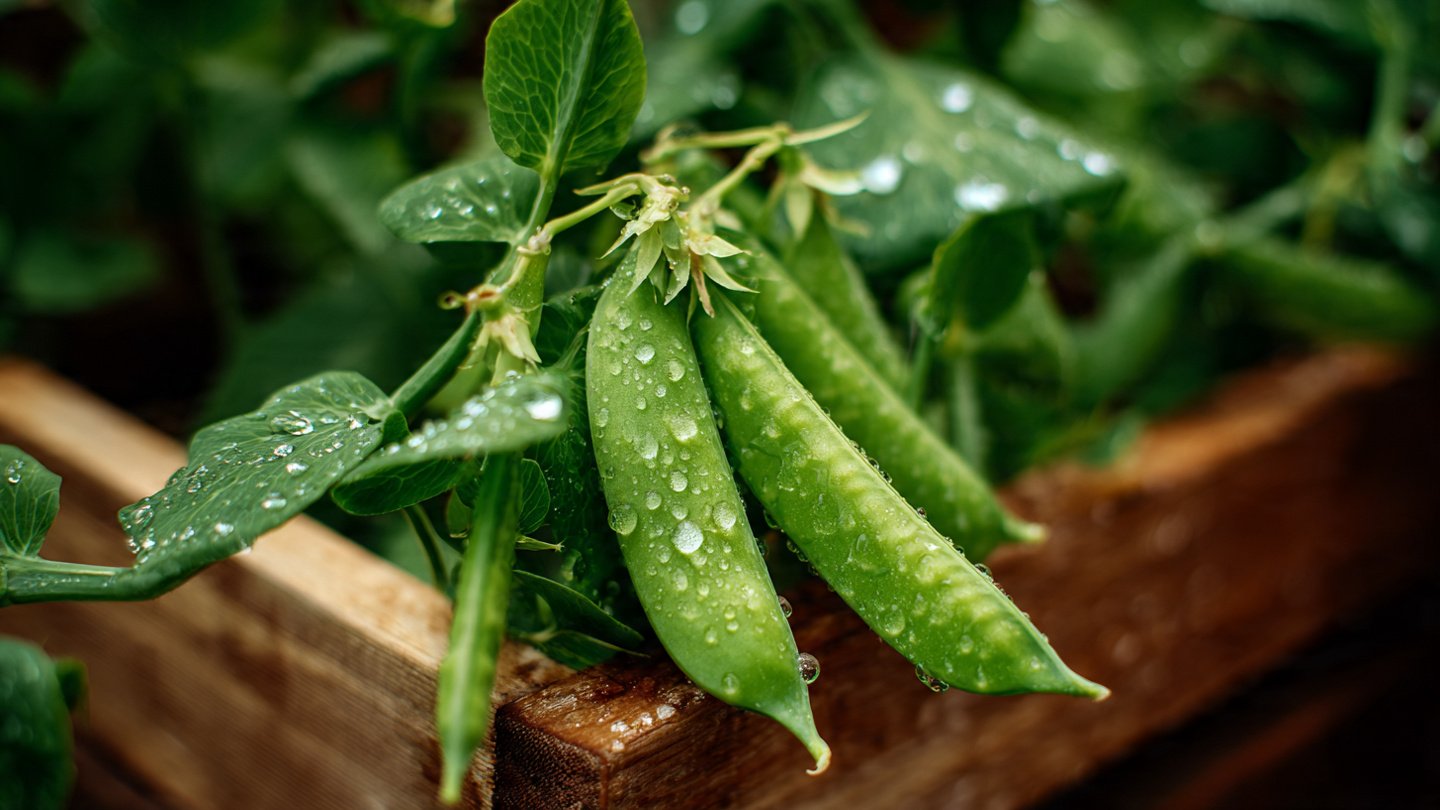
Urban gardening has taken the world by storm, and many city dwellers are now embracing the charm and practicality of growing their own food in limited spaces. One of the best crops to start with for container gardening is peas. These lovely little legumes not only thrive in pots but also provide abundance, flavor, and nutrients to your urban garden. In this guide, we’ll walk you through every step to successfully grow peas in containers, from selection to harvest, along with some frequently asked questions to help you along the journey.
Understanding Peas: A Brief Overview
Peas (Pisum sativum) are cool-season crops that fall into two main categories: snap peas (edible pods) and shelling peas (the pods are removed to eat the peas inside). They are also nitrogen-fixing plants, meaning they enrich the soil by converting atmospheric nitrogen into a usable form for plants. This trait can benefit other plants in your garden, making them excellent companions.
Latest Posts
- How to Use Invisible Wire for a Stunning Climbing Plant Wall
- Are Your Garden Tools Making Your Plants Sick?
- How to Style a Small Studio with Columnar Cacti
- Why Is My Zucchini Shaped Like a Lightbulb?
- How to Protect Your Fruit From Birds Without Nets
- How to Keep Squirrels Away from Your Fruit Trees
- How to Protect Your Fruit from Birds Without Nets
- Why Biochar Is a Game-Changer for Your Kitchen Garden
- Why Some Rare Cacti Bloom Only One Night a Year
- How to Grow Rare Blue Strawberries at Home
Choosing the Right Variety
Given the various types of peas available, selecting the right variety for your container garden is crucial:
- Snap Peas: These are sweet and can be eaten whole. Varieties like ‘Sugar Snap’ are very popular for container gardening.
- Shelling Peas: These include varieties like ‘Little Marvel’ which are small and suitable for limited space.
- Snow Peas: With flat pods, these can be eaten raw or cooked and are also great for containers. ‘Oregon Sugar Pod’ is a good choice.
When deciding on a variety, consider your taste preferences and the growing space available.
Container Selection
The right container is vital for healthy pea growth. Here are some guidelines to follow:
-
Size: Choose a container that is at least 12-18 inches deep and wide. Peas have a relatively shallow root system but benefit from some depth for stability.
-
Material: Containers can be made from plastic, clay, or metal. Ensure that the material allows for adequate drainage and doesn’t heat up too much, which can stress the plants.
-
Drainage: Good drainage is crucial. Make sure your container has ample drainage holes to prevent root rot.

Soil Preparation
Peas thrive in well-draining, nutrient-rich soil. Here’s how to prepare the best soil mix:
-
Potting Mix: Use a high-quality potting mix instead of garden soil. This ensures a good balance of nutrients, moisture, and aeration.
-
Organic Matter: Add compost or well-rotted manure to the potting mix to enhance fertility.
-
pH Balance: Peas prefer a slightly acidic to neutral pH (6.0-7.0). Test your soil, and if necessary, adjust the pH with lime or sulfur.
Planting Peas
The best time to plant peas is in early spring or late winter, depending on your climate zone:
Step-by-Step Planting Guide
-
Timing: Sow seeds 4-6 weeks before the last expected frost date. For fall planting, do it 8-10 weeks before the first frost.
-
Planting Depth: Sow seeds about 1-2 inches deep. A good rule of thumb is to plant seeds twice as deep as their width.
-
Spacing: Space seeds about 1-2 inches apart, and rows should be spaced 2-3 inches apart if you’re using a larger container.
-
Watering: Water the seeds thoroughly after planting but ensure the soil remains damp, not soggy.
Supporting Your Peas
Peas are climbing plants, so providing support is integral for healthy growth:
-
Trellis: Use a trellis, garden netting, or small stakes to give the plants something to climb on.
-
Height: Ensure it is at least 3-4 feet tall to accommodate their climbing nature.
Care and Maintenance
Caring for your container-grown peas is relatively simple but requires diligence:
Watering
-
Moisture: Peas prefer consistently moist soil. Water regularly, especially during dry spells, ensuring the top inch of the soil stays damp.
-
Avoid Overwatering: Check that the container drains well; soggy conditions can lead to root rot.
Fertilization
-
Initial Feeding: When planting, mix in some balanced fertilizer or organic compost.
-
Ongoing Care: After about a month of growth, apply a nitrogen-rich fertilizer to support foliage growth.
Pruning and Pests
-
Pruning: Occasionally trim back dense foliage to allow air circulation. This prevents fungal diseases.
-
Pest Management: Keep an eye out for aphids, snails, and other pests. Use organic methods like neem oil or insecticidal soap.
Harvesting
Harvesting peas at the perfect time ensures the sweetest flavor. Here’s when and how to harvest:
-
Timing: For snap and snow peas, harvest when the pods are fully formed but still green and crisp. Shelling peas should be harvested once they are plump and firm.
-
Technique: Use scissors to cut the pods from the vine to avoid damaging the plant.
-
Storing: Freshly harvested peas can be eaten immediately or stored in the refrigerator for a few days. They lose sweetness quickly, so enjoy them soon!
Troubleshooting Common Issues
Even the best gardeners face challenges, so here are some common issues and solutions:
-
Yellow Leaves: This may signal nutrient deficiencies or overwatering. Check the watering schedule and consider fertilizing.
-
Stunted Growth: Ensure adequate sunlight (at least 6 hours daily) and check for pests.
-
Dried Pods: This can indicate that peas are past their harvest window, or insufficient water during the hot months.
FAQs
1. Can I grow peas indoors?
Yes, peas can be grown indoors if you have enough light. Consider using grow lights if adequate natural light isn’t available.
2. How much sunlight do peas need?
Peas prefer full sun, meaning at least 6 hours of sunlight each day. However, they can tolerate partial shade.
3. What is the best companion plant for peas?
Peas grow well with carrots, radishes, and cabbage. Avoid planting them near onions or garlic, which can hinder growth.
4. Do I need to inoculate my pea seeds?
While not necessary, inoculants can boost nitrogen fixation by ensuring beneficial bacteria are present, especially if you’re in a less fertile area.
5. How often should I water my peas?
Water regularly, keeping the soil moist but not soggy. During dry spells, you may need to water every day, especially if your container is small.
6. What is the best way to store harvested peas?
Store freshly harvested peas in the refrigerator in a breathable bag. Use them within a few days for the best flavor and nutrition.
7. Can I save seeds from my pea plants for next season?
Absolutely! If you let a few pods mature fully on the plant, you can collect the seeds for next season’s planting.
Conclusion
Growing peas in containers is an engaging and rewarding activity for urban garden enthusiasts. With the right knowledge and attention, you can cultivate a bountiful harvest of sweet, crunchy peas right on your balcony or patio. Whether you’re a seasoned gardener or just starting, following the steps outlined in this guide will help ensure your success in growing these delightful legumes. Happy planting!