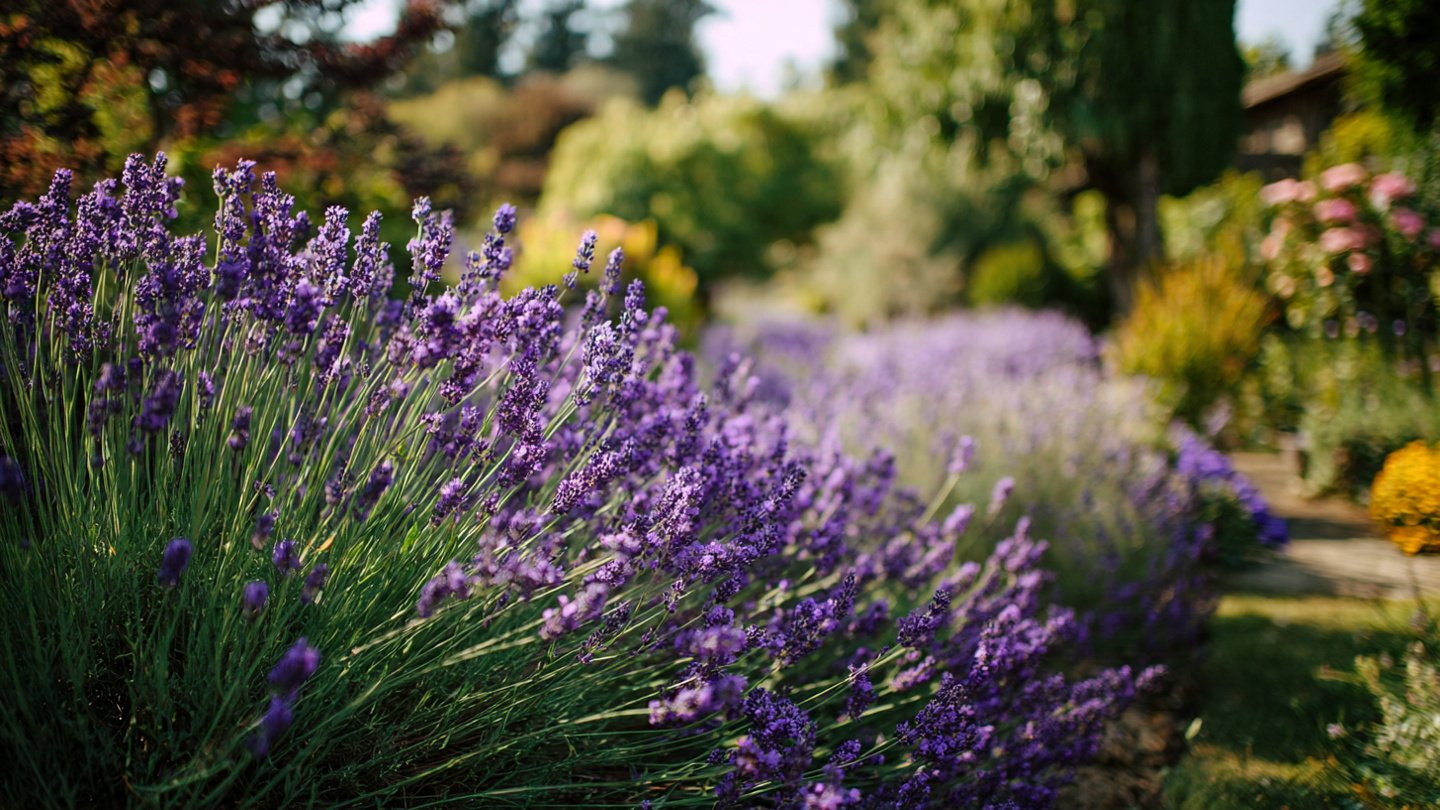
Lavender is beloved not only for its stunning purple blooms but also for its aromatic fragrance and numerous benefits—ranging from culinary uses to health-related applications. Yet, to keep lavender plants healthy and ensure vibrant blooms throughout the growing season, proper pruning is essential. This guide will explore everything you need to know about pruning lavender, from the best techniques to frequently asked questions.
Understanding Lavender
Types of Lavender
Latest Posts
- How to Use Invisible Wire for a Stunning Climbing Plant Wall
- Are Your Garden Tools Making Your Plants Sick?
- How to Style a Small Studio with Columnar Cacti
- Why Is My Zucchini Shaped Like a Lightbulb?
- How to Protect Your Fruit From Birds Without Nets
- How to Keep Squirrels Away from Your Fruit Trees
- How to Protect Your Fruit from Birds Without Nets
- Why Biochar Is a Game-Changer for Your Kitchen Garden
- Why Some Rare Cacti Bloom Only One Night a Year
- How to Grow Rare Blue Strawberries at Home
There are several species of lavender, but the most common types grown in gardens include:
-
English Lavender (Lavandula angustifolia): Known for its sweet fragrance and hardiness, it thrives in cooler climates.
-
French Lavender (Lavandula dentata): Characterized by its unique serrated leaves and showy flowers, it flourishes in warmer, milder climates.
-
Spanish Lavender (Lavandula stoechas): This species has distinctive rabbit ear-shaped flowers and is primarily enjoyed for its ornamental value.
Ideal Growing Conditions
Before delving into pruning, it’s essential to understand the basic requirements for healthy lavender growth:
- Sunlight: Lavender thrives in full sun, requiring a minimum of six hours of direct sunlight per day.
- Soil: Well-draining, sandy soil is optimal. Lavender can suffer from root rot if left in poorly drained soil.
- Watering: Established plants are drought-tolerant; however, young plants need regular watering until established.

When to Prune Lavender
Timing is crucial when it comes to pruning lavender. Generally, the best times to prune are:
-
In Early Spring: Before the new growth begins. In colder regions, this should happen around late March to early April, while in warmer climates it may be done as early as February.
-
Post-Bloom: After the flowering season. Typically, this is around late summer, once the blooms have faded. This helps encourage a second flush of blooms later in the season.
Pruning Techniques
Tools You Will Need
Having the right tools can make the pruning process smoother and more efficient. Essential tools include:
- Sharp Pruning Shears: For clean cuts.
- Garden Gloves: To protect your hands.
- Loppers: For larger plants, especially older and more established lavenders.
- Rake or Hand Trowel: To clean up clippings.

Step-by-Step Pruning Guide
Early Spring Pruning
-
Inspect Your Plants: Look for dead or damaged branches. Clear away any debris that may harbor pests.
-
Remove Dead Wood: Start by cutting any brown, woody stems back to green growth. This helps direct energy to healthy stems.
-
Shape the Plant: Trim your lavender into a rounded shape. Ideally, the cut should be made just above the woody parts and not beyond the green growth of the plant. This encourages a bushier plant and prevents leggy growth.
-
Cut Back Flower Stems: If any flower stalks remain from the previous year, cut them back to the base to promote new growth.
-
Thin Out Crowded Areas: If some stems are crowded, strategically remove a few to allow for better airflow, which helps prevent fungal diseases.
Post-Bloom Pruning
-
Wait for Fading Blooms: Once the flowers start dying off, you can begin post-bloom pruning.
-
Trim Flower Stalks: Cut back the spent blooms to above the first set of healthy leaves. This keeps the plant vigorous and prepares it for the next season.
-
Shape and Maintain Size: As in early spring, shape your lavender and maintain a rounded silhouette.

Benefits of Regular Pruning
Pruning lavender offers numerous benefits, including:
-
Encouraging New Growth: Regular pruning stimulates the growth of new stems and foliage, leading to a fuller plant.
-
Increased Flowering: Properly pruned lavender produces more blooms, enriching your garden with vibrant colors and fragrances.
-
Improved Air Circulation: Thinning out crowded areas improves airflow, reducing pest and disease problems.
-
Extended Lifespan: Regular maintenance can prolong the life of your lavender plants.
Common Mistakes to Avoid
-
Waiting Too Late to Prune: Pruning too late in the season can result in less vigorous growth and fewer blooms.
-
Cutting into Old Wood: Avoid cutting back into old, brown stems, as these may not sprout new growth.
-
Neglecting to Clean Tools: Always disinfect pruning tools between uses to avoid transferring diseases from plant to plant.
-
Over-pruning: While pruning is beneficial, cutting back too much can stress the plant and hinder growth.
Frequently Asked Questions (FAQs)
1. How much should I prune my lavender?
When pruning, aim to remove about one-third of the plant. Be cautious not to over-prune; leaving enough foliage ensures the plant can bounce back effectively.
2. Can I prune lavender in the fall?
It is best to avoid fall pruning, as it can expose the plant to cold winter temperatures. Pruning in spring and after blooming is most effective.
3. What if my lavender is leggy?
Leggy lavender plants often result from insufficient sunlight or improper watering. Prune back leggy growth to promote a bushier shape and ensure they receive adequate sunlight.
4. How do I prepare lavender for winter?
In regions with harsh winters, consider mulching around the plant to protect the roots. Avoid covering the plant itself, as this can trap moisture and cause rot.
5. Is it necessary to prune lavender every year?

Yes, regular annual pruning is essential for maintaining plant health and promoting abundant blooms.
6. Can I propagate lavender through pruning?
Yes, you can propagate lavender by taking cuttings during the pruning session. Simply place the cuttings in water or soil with rooting hormone to establish new plants.
7. What are signs that my lavender needs pruning?
Signs that your lavender needs pruning include poor flowering, leggy growth, and dead wood visible extensive bare stems.
8. How deep should I cut when pruning?
When pruning, cut just above the woody parts, making sure to leave some green growth to encourage new shoots.
Conclusion
Pruning lavender is a critical practice for maintaining healthy plants and ensuring vibrant blooms. By understanding the right techniques and timing, you can cultivate lavender that thrives in your garden, providing beauty and fragrance throughout the growing season. Regular pruning not only enhances the aesthetics of your plants but also contributes to their longevity. Whether you’re an experienced gardener or just starting, the joy of a lush lavender plant is always within your reach with the right care. Happy gardening!