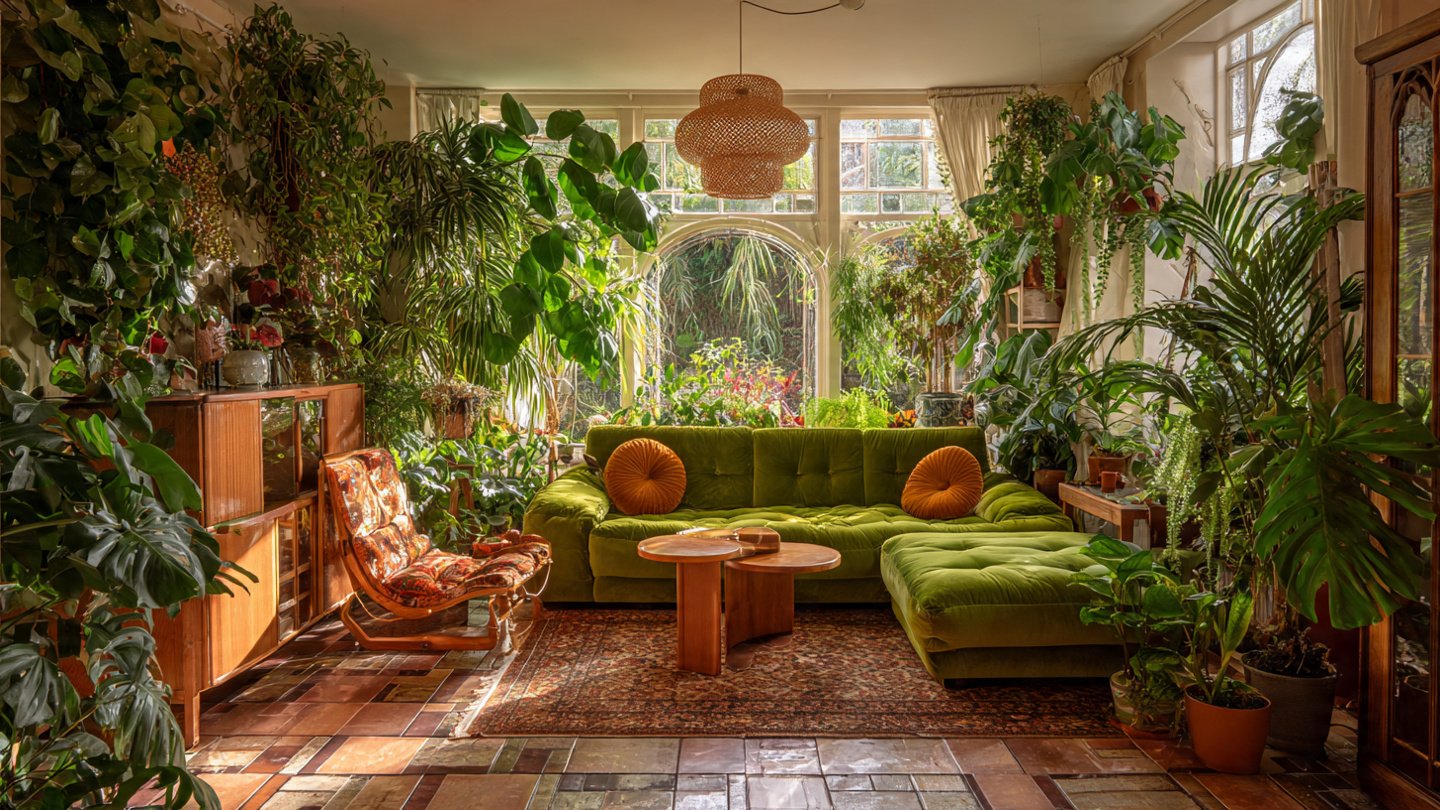
Having greenery indoors can transform your living space into a serene sanctuary while improving air quality and enhancing overall well-being. An indoor garden doesn’t just beautify your home; it can also promote mindfulness and provide a sense of accomplishment as you nurture living plants. Here’s your ultimate guide to creating a vibrant indoor garden space.
1. Choosing the Right Location
Sunlight Exposure
Latest Posts
- How to Use Invisible Wire for a Stunning Climbing Plant Wall
- Are Your Garden Tools Making Your Plants Sick?
- How to Style a Small Studio with Columnar Cacti
- Why Is My Zucchini Shaped Like a Lightbulb?
- How to Protect Your Fruit From Birds Without Nets
- How to Keep Squirrels Away from Your Fruit Trees
- How to Protect Your Fruit from Birds Without Nets
- Why Biochar Is a Game-Changer for Your Kitchen Garden
- Why Some Rare Cacti Bloom Only One Night a Year
- How to Grow Rare Blue Strawberries at Home
The first step in setting up an indoor garden is deciding where you want it. Different plants require differing amounts of sunlight. Observe the light patterns in your home:
- Bright, Direct Light: South or southwest-facing windows are ideal for sun-loving plants like succulents, cacti, and many flowering plants.
- Bright, Indirect Light: East-facing windows or areas that receive filtered light are great for herbs, ferns, and foliage plants.
- Low Light: North-facing areas or rooms with little natural light can still support plants like snake plants, pothos, and peace lilies.
Space Considerations
Think about how much space you have. If you’re working with limited space, consider vertical gardening options or multi-tier plant stands.
2. Selecting the Right Plants
Beginner-Friendly Options
If you’re new to gardening, start with easy-to-care-for plants:
- Spider Plant: Resilient and doesn’t need much light; great for hanging baskets.
- Pothos: Tolerates low light and irregular watering.
- Snake Plant: Hardy and requires minimal care.

Advanced Choices
Once you’re more comfortable, you can explore more demanding plants:
- Orchids: Require precise care but reward you with stunning blooms.
- Fiddle Leaf Fig: Can be quite beautiful, but needs specific care conditions.
Edible Plants
In addition to ornamental plants, consider incorporating edibles such as:
- Herbs: Basil, mint, and parsley thrive indoors.
- Microgreens: Fast-growing and nutrient-dense; perfect for salads.
3. Understanding Plant Care
Watering
One key to a successful indoor garden is understanding the watering needs of your plants:
- Overwatering: Often the most common mistake. Ensure pots have drainage holes and use well-draining soil.
- Underwatering: Check soil moisture regularly, and consider using a moisture meter for accuracy.
Fertilization
Plants need nutrients to thrive:
- General Purpose Fertilizers: Use a balanced fertilizer during the growing season (spring and summer) and pause in the fall and winter.
- Organic Options: Consider compost tea or other organic fertilizers for a more natural approach.
Pruning and Maintenance
Regular pruning helps encourage bushier growth and remove any dead or diseased leaves. Keep an eye on pests and treat any issues promptly.
4. Create Your Design
Themed Arrangements
Consider creating themes based on plant types or colors. For example:
- Tropical Vibe: Combine ferns, philodendrons, and monsteras for a lush feel.
- Succulent Display: Group different varieties in unique containers for a modern aesthetic.
Containers and Accessories
The right pots and containers enhance your indoor garden’s beauty:
- Material Choices: Terracotta offers breathability while ceramic and plastic pots come in various designs.
- Plant Stands: Elevate your plants to create dimension in your garden.
Accessories
Include accessories like decorative rocks, soil covers, or plant lights to enhance your indoor space.
5. Indoor Gardening Techniques
Hydroponics
Growing plants without soil can add an elaborate twist. Hydroponic systems allow for efficient growth and can be tailored to limited spaces.
Terrariums
Creating a miniature garden within a glass enclosure can be an artistic display. Pick low-maintenance plants like moss or small ferns for the best results.
Vertical Gardens
Perfect for small spaces, vertical gardens use wall-mounted systems to maximize your gardening area.
6. Maintaining Humidity and Air Quality
Humidity Management
Most indoor plants thrive in higher humidity. Here are ways to boost humidity:
- Misting: Lightly mist your plants regularly.
- Pebble Trays: Place pots on trays filled with water and pebbles.
- Humidifiers: For dry environments, a humidifier can help maintain moisture levels.
Air Quality
Plants can purify indoor air. Choices such as spider plants, Boston ferns, and snake plants remove toxins and enhance your living space’s atmosphere.
7. Seasonal Considerations
Indoor gardens require different care in different seasons:
Winter Care
- Reduced Light: Move plants closer to windows.
- Watering Needs: Many plants need less water in winter; ensure the soil remains slightly moist.
Spring Growth
Spring is the prime growing season for most plants. Ensure they receive adequate light and begin fertilizing.
8. Troubleshooting Common Problems
Pest Infestations
Common indoor pests include aphids, spider mites, and mealybugs. Regularly inspect plants and treat infestations with neem oil or insecticidal soap.
Disease Management
Prevent disease outbreaks by ensuring good air circulation, practicing proper watering, and avoiding overcrowding. If plants show signs of disease, isolate them to prevent spreading.
Frequently Asked Questions (FAQs)

1. How much light do indoor plants need?
Most indoor plants prefer bright, indirect light; however, choose varieties suited for low light if your space has minimal sunlight.
2. How often should I water my plants?
Watering frequency varies by plant type and environmental conditions. Check the soil; water when the top inch feels dry.
3. Can I grow vegetables indoors?
Absolutely! Many vegetables, such as herbs, lettuce, and microgreens, thrive indoors with adequate light and care.
4. What are the best containers for indoor plants?
Containers with good drainage are essential. Choose materials like terracotta or ceramic for breathability.
5. How can I improve indoor air quality with plants?
Plants such as spider plants, peace lilies, and snake plants can improve air quality by filtering toxins.
6. Is it necessary to fertilize indoor plants?
Fertilizing is beneficial, especially during the growing season (spring/summer). Use a balanced fertilizer or organic options as needed.
7. What should I do if my plant is wilting?
Check for signs of overwatering or underwatering. Adjust your care routine accordingly and ensure the plant is not in direct harsh sunlight.
Conclusion
Creating a vibrant indoor garden space is both rewarding and therapeutic. By selecting the right plants, understanding their care, and enhancing your home’s aesthetics, you can cultivate a green sanctuary indoors. As you embark on this journey, remember that patience and observation are key—your plants will flourish as you learn more about their unique needs. Happy gardening!