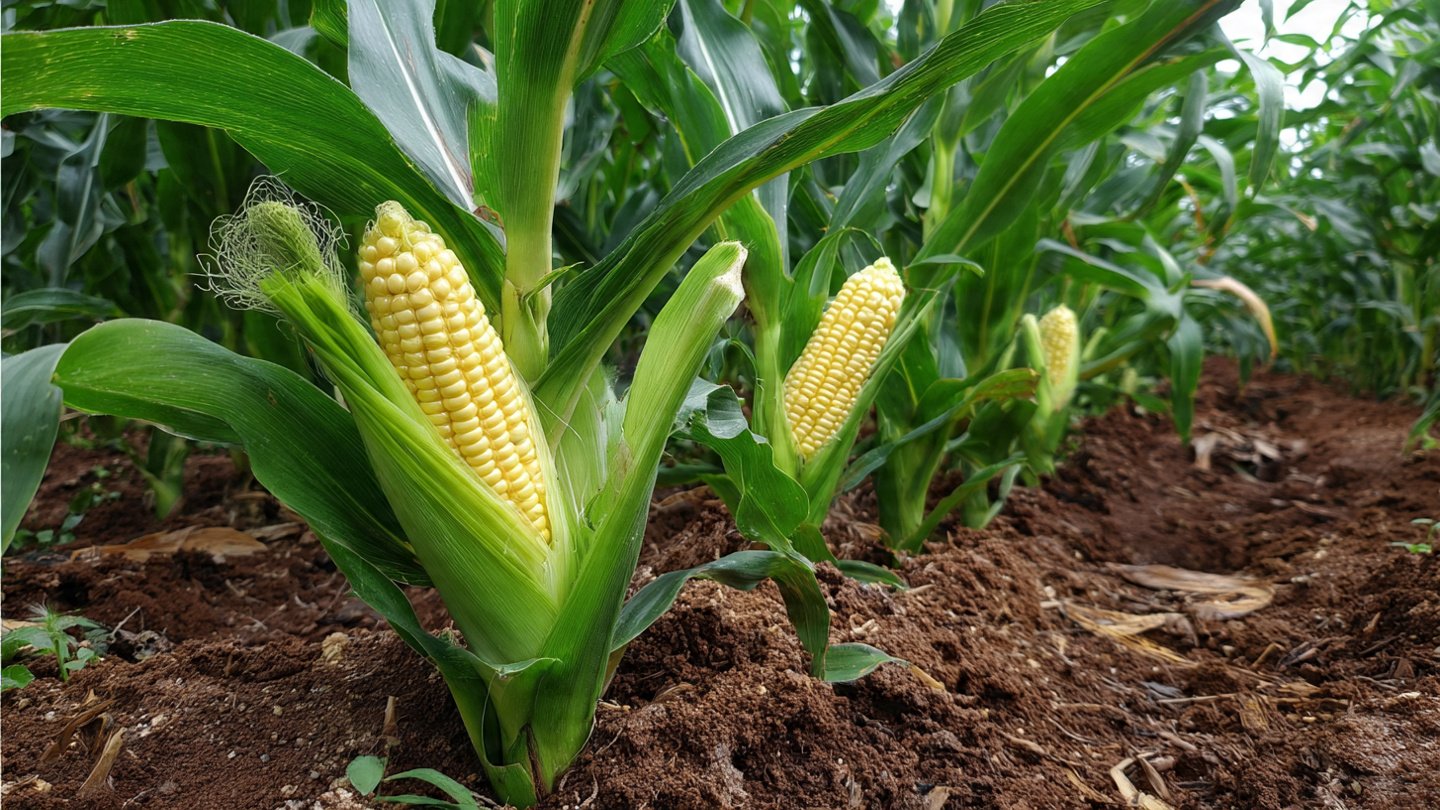
Growing corn at home can be a rewarding venture, offering fresh, sweet kernels right from your backyard. Whether you’re a novice gardener or someone with more experience, this guide will walk you through the essentials of corn cultivation. This article covers everything from soil preparation to pest management, ensuring you have the knowledge you need to grow corn successfully.
Why Grow Corn?
Corn, also known as maize, is a versatile crop used for various purposes, from human consumption to animal feed and even biofuels. Growing your own corn has several benefits:
Latest Posts
- How to Use Invisible Wire for a Stunning Climbing Plant Wall
- Are Your Garden Tools Making Your Plants Sick?
- How to Style a Small Studio with Columnar Cacti
- Why Is My Zucchini Shaped Like a Lightbulb?
- How to Protect Your Fruit From Birds Without Nets
- How to Keep Squirrels Away from Your Fruit Trees
- How to Protect Your Fruit from Birds Without Nets
- Why Biochar Is a Game-Changer for Your Kitchen Garden
- Why Some Rare Cacti Bloom Only One Night a Year
- How to Grow Rare Blue Strawberries at Home
- Freshness and Flavor: Home-grown corn tastes better than store-bought varieties.
- Variety: You can choose specific types of corn, such as sweet corn, popcorn, or ornamental corn.
- Sustainability: Growing your own food reduces your carbon footprint and can contribute to food security.
Choosing the Right Type of Corn
Before starting, choose the type of corn you want to grow:
- Sweet Corn: Best for fresh eating, with varieties such as ‘Silver Queen’ and ‘Sugar Buns’.
- Field Corn: Primarily for livestock feed and processing, not typically eaten fresh.
- Popcorn: Specialty corn that can be popped for snacks.
- Ornamental Corn: With unique colors, great for decorative purposes.

Site Selection and Soil Preparation
Choosing a Location
Corn needs full sun, so pick a spot with at least 6 to 8 hours of sunlight a day. Ensure the area is sheltered from strong winds, which can topple tall corn stalks.
Soil Requirements
- Soil Type: Corn thrives in well-draining, loamy soil.
- pH Level: Aim for a soil pH between 5.8 and 7.0.
- Nutrients: Conduct a soil test to determine nutrient levels. Corn is a heavy feeder, so adequate nitrogen, phosphorus, and potassium are crucial.
Preparing the Soil
- Clear the Area: Remove weeds, rocks, and debris.
- Tilling: Till the soil to a depth of about 12 inches.
- Composting: Mix in organic matter like compost or aged manure to improve soil fertility.
- Fertilization: Incorporate a balanced fertilizer at planting time, following soil test recommendations.
Planting Corn

When to Plant
Corn is sensitive to frost and should be planted after the last frost date. The optimal soil temperature for corn germination is between 50°F and 86°F (10°C to 30°C).
Planting Method
- Seeds: Plant seeds 1 to 2 inches deep, ideally in rows spaced about 30 inches apart.
- Spacing: Space seeds 6 to 12 inches apart in the row, depending on the variety and desired final plant density.
- Watering: Water the seeds immediately after planting.
Caring for Corn Plants
Watering
Corn needs consistent moisture, especially during germination and ear development. Aim for about 1 to 1.5 inches of water per week. Use mulch to retain moisture and suppress weeds.
Fertilization
Feed your corn plants with fertilizer high in nitrogen at 4 to 6 weeks after planting. A side-dressing of fertilizer can boost yield.
Weeding
Regularly check your corn patch for weeds. Hand-pull or use mulch to control weed growth, as weeds can compete for nutrients and water.

Pest and Disease Management
Corn is susceptible to various pests and diseases:
- Common Pests: Corn earworms, aphids, and rootworms can damage your plants. Use row covers, insecticidal soap, or beneficial insects like ladybugs for pest control.
- Diseases: Look for signs of rust, blight, or fungal diseases. Crop rotation and resistant varieties help minimize these issues.
Harvesting Corn
Timing
Sweet corn is typically ready to harvest 75 to 100 days after planting, depending on the variety. Look for the following signs:
- Silk: The silk turns brown and dries.
- Kernel Condition: Press a kernel with your fingernail; if it releases a milky liquid, it’s ready.
Harvesting Techniques
- Cut the Ear: Twist the ear while pulling downward to detach it from the stalk.
- Timing: Harvest in the morning for the best flavor and sweetness.
Tips for Advanced Gardeners
For those with more gardening experience, consider the following advanced techniques to enhance your corn-growing endeavor:
- Intensive Planting: Try block planting instead of rows to improve pollination.
- Companion Planting: Plant beans and squash alongside corn, utilizing the “Three Sisters” planting method popular with Native Americans.
- Vertical Gardening: Use trellises for certain varieties of corn to save space.
- Soil Amendments: Utilize cover crops during the off-season to improve soil structure and fertility.
FAQs
1. How much space do I need to grow corn?
Corn requires ample space; a minimum of 10 by 10 feet is recommended for a small home garden, but more space allows for better air circulation and increased yield.
2. Can I grow corn in containers?
While it’s possible, it’s not advisable for large-scale corn. Dwarf or shorter varieties can be grown in large containers (at least 5 gallons), but they will need more frequent watering and fertilization.
3. How do I know if my corn needs more water?
Look for wilting leaves or a dull color on the plant. Use a soil moisture meter or stick your finger about an inch into the soil; if it feels dry, it’s time to water.
4. What can I do if my corn is stunted?
Stunted growth can result from poor soil conditions, insufficient moisture, or pest infestations. Test your soil for nutrient levels, ensure adequate watering, and check for pests.
5. Is it necessary to rotate corn with other crops?
Yes, rotating corn with other crops helps prevent soil nutrient depletion and minimizes the risk of pests and diseases by disrupting their life cycles.
6. Can I save corn seeds for next year?
Yes, you can save seeds from heirloom varieties, but be cautious with hybrid varieties, as the resulting plants may not carry the same traits.
Conclusion
By following these guidelines, both beginners and advanced gardeners can successfully grow corn at home. With the right planning and execution, you can enjoy a bountiful harvest of sweet corn that delights your taste buds. Happy gardening!