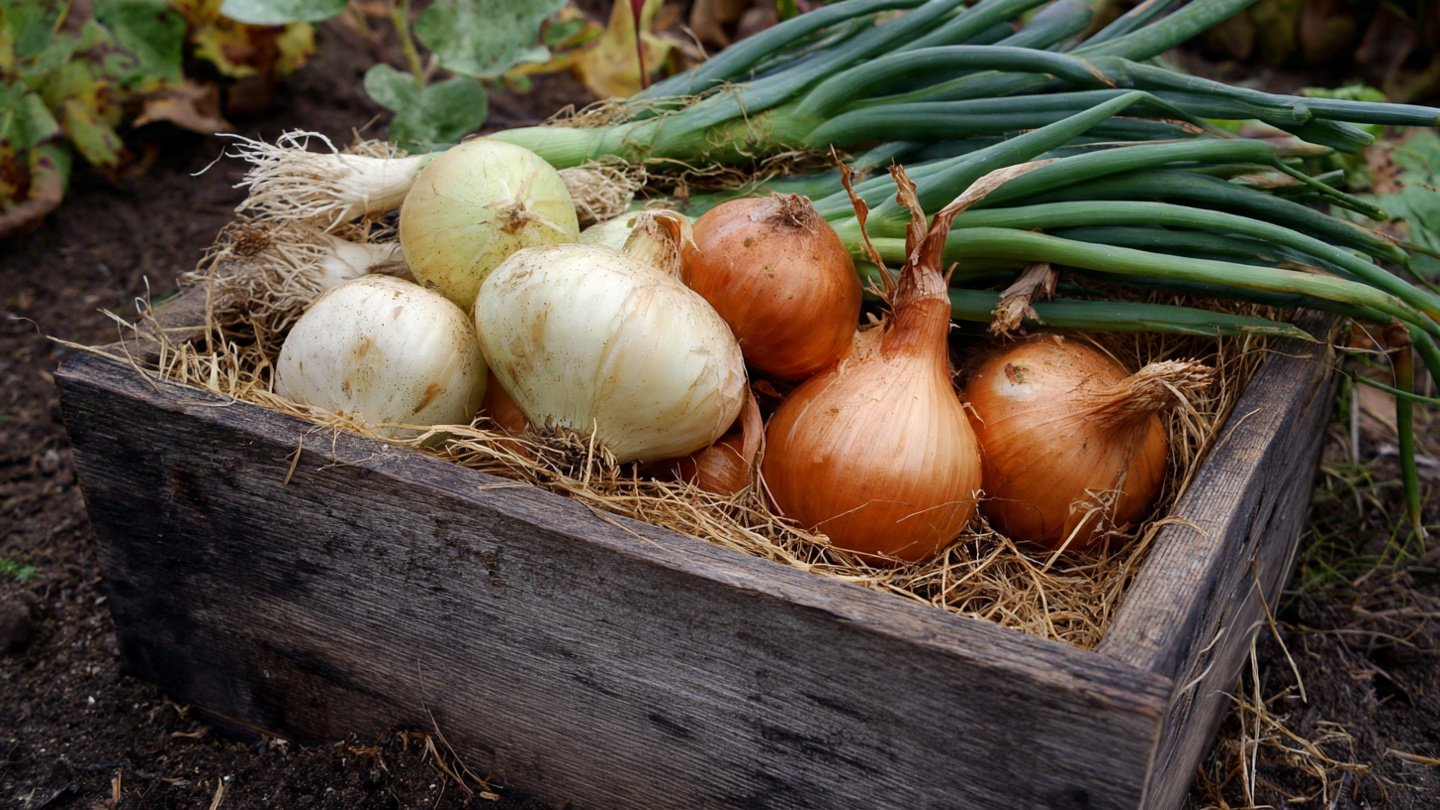
Growing onions in containers is an excellent way to cultivate these versatile vegetables, especially for those with limited outdoor garden space. Whether you have a balcony, patio, or just a sunny window, you can successfully grow onions in pots. This article will delve into the effective methods for growing onions in containers, covering everything from selecting the right type of onion to the appropriate growing conditions and maintenance.
Why Grow Onions in Containers?
Containers offer several benefits for growing onions:
- Space Efficiency: Perfect for urban dwellers, containers allow you to grow onions even in small spaces.
- Soil Quality Control: You’re able to control the soil quality and drainage, which is crucial for onion growth.
- Mobility: Containers can be moved around to optimize sunlight exposure.
- Pest Management: Elevating plants off the ground can help deter some pests and reduce the spread of soil-borne diseases.
Choosing the Right Onion Varieties
Not all onion varieties are suitable for container gardening. The following types work best:

1. Green Onions (Scallions)
- Green onions are easy to grow and mature quickly. They can be harvested in just a few weeks, often from scraps.
2. Bulb Onions
- Short-Days: Ideal for southern climates; they start forming bulbs when daylight duration is around 12 hours.
- Long-Days: Suited for northern regions; they require 14-16 hours of daylight to develop bulbs.
- Day-Neutral: These can grow in various daylight conditions and are adaptable to different climates.
3. Shallots
- A milder tasting onion, shallots grow well in containers and can be harvested in about 90 days.
Selecting the Right Container
Container Size
- Choose containers that are at least 8-12 inches deep. Onion roots need space to grow; shallow pots may restrict growth.
Drainage
- Ensure that your containers have adequate drainage holes. Excess water can lead to root rot and other fungal diseases.
Material
- Plastic, ceramic, or metal containers can all work, but make sure they are insulated to retain moisture without overheating.
Soil Preparation
Soil Type
- Use high-quality potting soil that’s well-draining. A mixture of peat moss, perlite, and compost provides a balanced environment for root development.
pH Level
- Onions prefer slightly acidic to neutral soil (pH 6.0 to 7.0). You can test your soil and amend it with lime to raise pH or sulfur to lower it.
Fertilization
- Incorporate a slow-release fertilizer before planting. Opt for a formula that is higher in phosphorus, such as a 5-10-10 ratio, to promote bulb formation.
Planting Onions
From Seeds
- Start Indoors: If you live in a colder climate, start seeds indoors 6-8 weeks before the last frost date.
- Sowing Depth: Plant seeds about ¼ inch deep.
- Spacing: Thin seedlings to 3-4 inches apart after they reach about 4 inches tall.
From Sets
- Onion sets are small, immature onions that will mature faster than seeds. Plant them directly in the soil, with the pointed end facing up.
From Transplants
- Purchase young onion plants from garden centers. Just plant them into the prepared containers at the same depth they were originally growing.
Watering Onions
Onions need consistent moisture, especially during the growing season. Here are tips for watering effectively:
1. Frequency
- Water regularly, about 1 inch per week, allowing the soil to dry slightly between watering sessions to avoid over-saturation.
2. Methods
- Use a drip irrigation system or water at the base of the plants to avoid wetting the foliage, which can promote disease.
3. Mulching
- Applying a layer of organic mulch (like straw or grass clippings) can help retain moisture and keep roots cool.
Light Requirements
Onions prefer full sun, so ensure they receive at least 6-8 hours of direct sunlight daily. If insufficient natural light is available, consider using grow lights, especially in the early stages of growth.
Latest Posts
- How to Use Invisible Wire for a Stunning Climbing Plant Wall
- Are Your Garden Tools Making Your Plants Sick?
- How to Style a Small Studio with Columnar Cacti
- Why Is My Zucchini Shaped Like a Lightbulb?
- How to Protect Your Fruit From Birds Without Nets
- How to Keep Squirrels Away from Your Fruit Trees
- How to Protect Your Fruit from Birds Without Nets
- Why Biochar Is a Game-Changer for Your Kitchen Garden
- Why Some Rare Cacti Bloom Only One Night a Year
- How to Grow Rare Blue Strawberries at Home
Pest and Disease Management
Common Pests
- Onion Flies: Use row covers to protect plants and traps to monitor adult flies.
- Thrips: Regularly inspect plants and consider using insecticidal soap if infestations occur.
Common Diseases
- Downy Mildew: Ensure proper air circulation and avoid overhead watering.
- Root Rot: Maintain good drainage and avoid overwatering.
Harvesting Onions
Timing
- Bulb onions are usually ready for harvest when the tops begin to yellow and fall over. This typically occurs in mid to late summer, depending on the variety.
Proper Technique
- Gently pull the onions out of the soil.
- Allow them to cure by placing them in a dry, warm area for a few weeks to enhance storage life.
Storage
- Store cured onions in a cool, dark place, ideally in a mesh bag, to allow for air circulation.
FAQs
1. Can I grow onions in any container?
Yes, as long as the container is deep enough (8-12 inches) and has good drainage.
2. How often should I fertilize my onions?
Fertilize once at planting and consider a second application when the plants are about 6 inches tall.
3. What is the best time to plant onions?
Planting times depend on your location. In general, plant seeds indoors 6-8 weeks before the last frost or plant onion sets directly in the garden after the last frost.
4. Do onions need a lot of space?
While onions can be planted relatively close together (3-4 inches apart), they need sufficient depth in the container.
5. Can I use kitchen scraps to grow green onions?
Yes, you can regrow green onions from the roots. Place the base in water, and it will start to sprout in a few days.
6. How do I know if my onions are ready to harvest?
Onions are ready to harvest when the tops are yellowing and falling over, typically in late summer.
7. What are the best conditions for growing onions in containers?
Onions prefer full sunlight (6-8 hours), consistent moisture, and well-draining soil with a slightly acidic to neutral pH.
Conclusion
Growing onions in containers is a rewarding endeavor that requires minimal space and can yield a bountiful harvest. By selecting the right varieties, containers, and growing conditions, you can enjoy fresh, home-grown onions all season long. With proper care and maintenance, your container-grown onions will thrive and serve as an excellent addition to your kitchen garden. Happy gardening!