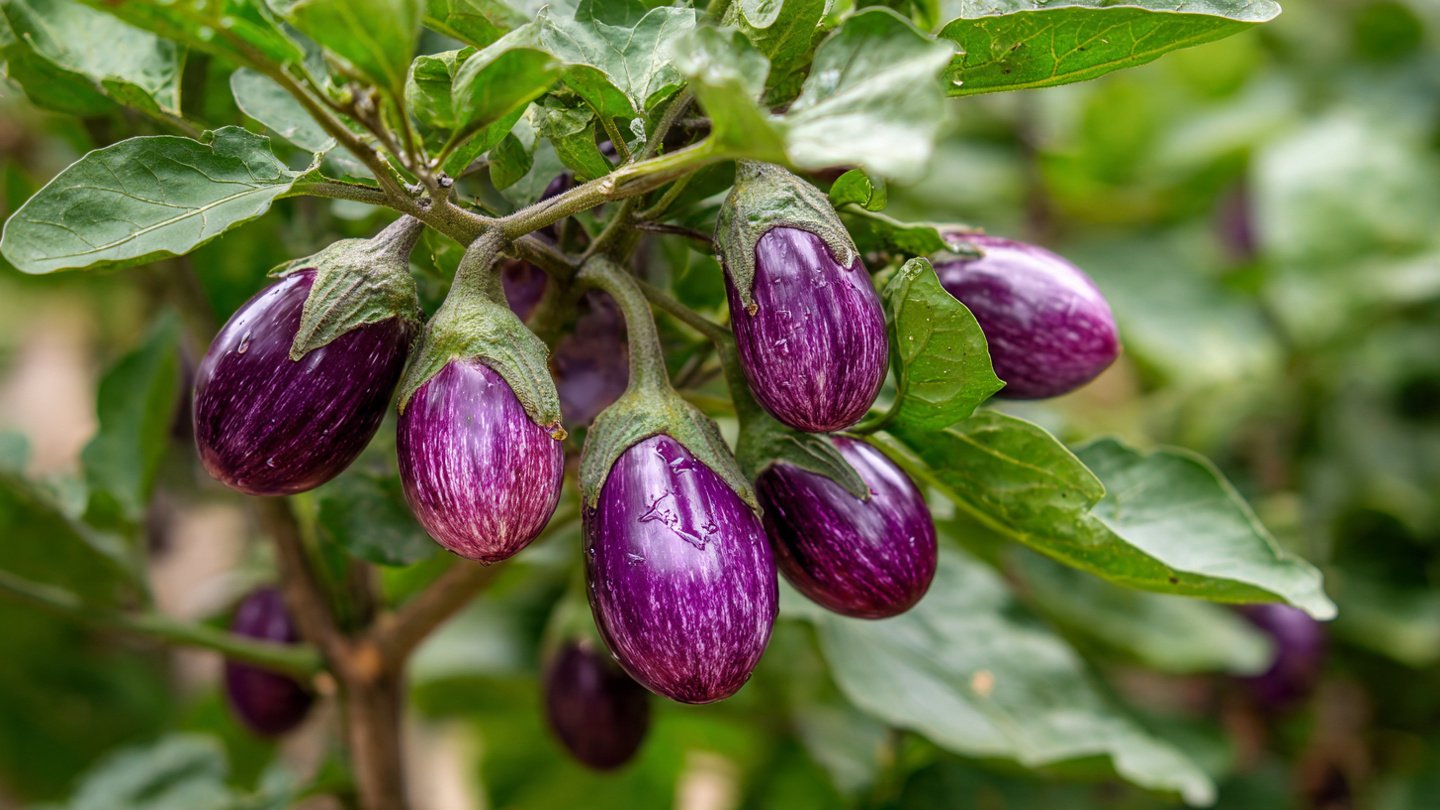
Eggplant, also known as aubergine or brinjal, is a versatile vegetable beloved for its rich flavor, unique texture, and adaptability to various culinary styles. Growing eggplant in containers provides an accessible way for gardening enthusiasts, especially those with limited outdoor space, to cultivate this delightful plant year-round. This guide will cover everything you need to know, from choosing the right container and soil to pest management and seasonal care.
Benefits of Growing Eggplant in Containers
- How to Use Invisible Wire for a Stunning Climbing Plant Wall
- Are Your Garden Tools Making Your Plants Sick?
- How to Style a Small Studio with Columnar Cacti
- Why Is My Zucchini Shaped Like a Lightbulb?
- How to Protect Your Fruit From Birds Without Nets
- How to Keep Squirrels Away from Your Fruit Trees
- How to Protect Your Fruit from Birds Without Nets
- Why Biochar Is a Game-Changer for Your Kitchen Garden
- Why Some Rare Cacti Bloom Only One Night a Year
- How to Grow Rare Blue Strawberries at Home
- Space Efficiency: Containers allow you to grow eggplant in small spaces, making it ideal for apartment dwellers or those with limited garden space.
- Mobility: You can move your plants to take advantage of sunlight or protect them from adverse weather conditions.
- Soil Control: Container gardening gives you complete control over the soil mix, which can help ensure the best nutrients for your plants.
- Easier Maintenance: Container plants are less affected by ground pests and weeds, making maintenance easier.
Latest Posts
Choosing the Right Container
When growing eggplant in containers, the right container is crucial for successful growth. Here are some factors to consider:
1. Size
Minimum Size: A container should be at least 5 gallons in volume for adequate root development. Larger varieties may require even more space.
Depth: Eggplants need at least 12-18 inches of depth for root growth, so choose containers that meet these dimensions.
2. Material
Containers come in various materials, each with its pros and cons:
- Plastic: Lightweight, durable, and often less expensive, though they can trap heat.
- Clay or Terracotta: Aesthetic appeal and good for moisture regulation, but can dry out quickly.
- Wooden: Good for insulation, but need treatment to prevent rot.
- Fabric Pots: Promote aeration and prevent root circling, a good option for quick drainage.

3. Drainage
Proper drainage is crucial to prevent root rot. Ensure that your containers have holes at the bottom, and consider placing gravel or stones at the base to enhance drainage.
Selecting the Right Soil
Eggplants thrive in well-draining, nutrient-rich soil. Here’s how to create the perfect soil mix:
1. Potting Mix
Choose a high-quality potting mix designed for container gardening. Look for one that includes:
- Peat Moss: Retains moisture while allowing for good aeration.
- Compost: Provides essential nutrients for growth.
- Perlite or Vermiculite: Improves drainage and aeration.
2. Nutrient Additives
Add slow-release fertilizer to your mix when planting. As eggplants can be heavy feeders, you may also want to supplement with liquid fertilizer every few weeks during the growing season.
Choosing the Right Eggplant Varieties
Eggplants come in a variety of shapes, sizes, and colors. Popular varieties for container gardening include:
- Asian Eggplant: Longer and thinner, these types often grow well in smaller containers.
- Fairy Tale Eggplant: A compact variety, perfect for tighter spaces, with a creamy texture.
- Black Beauty: A classic choice that yields large, glossy fruit.
- Texas Wild: A more resilient option that can handle hotter climates.
Choose a variety that matches your climate and the space you have available.

Planting Eggplants
1. Timing
Eggplants are warm-season plants. Start seeds indoors 8-10 weeks before the last frost date or purchase seedlings from a nursery.
If directly seeding outside, wait until all danger of frost has passed and temperatures consistently stay above 60°F (15°C).
2. Planting
- Fill your container with your soil mix, leaving about an inch of space at the top.
- Plant seeds or seedlings around 18 inches apart to give them room to grow.
- Water gently after planting to settle the soil around the roots.
Tip: If planting multiple containers, stagger different varieties for a prolonged harvest.
Sunlight Requirements
Eggplants require full sun for optimal growth, which means at least 6-8 hours of direct sunlight per day. If you’re growing indoors or on a patio, choose a location that gets ample sunlight.
1. Indoor Gardens
If growing indoors, consider using grow lights to supplement natural light, especially during the shorter days of winter. Position lights about 6-12 inches above the plants and keep them on for 12-16 hours per day.
Watering Needs
Eggplants prefer consistently moist soil without becoming waterlogged. Here’s a simple guide to watering:
- Check Soil Moisture: Stick your finger an inch into the soil. If it feels dry, it’s time to water.
- Watering Frequency: Generally, you may need to water every 2-3 days, but frequency may vary based on weather conditions and container size.
- Deep Watering: When watering, ensure that moisture penetrates through the soil thoroughly. This encourages deep root growth.

Fertilization
To ensure healthy growth and bountiful harvests, fertilize your eggplants. Here’s how:
1. Initial Fertilization
When planting, mix slow-release balanced fertilizer into the soil.
2. Ongoing Fertilization
Every 4-6 weeks during the growing season, use a balanced liquid fertilizer. This helps to replenish nutrients that may be washed out with frequent watering.
Pest and Disease Management
Eggplants can attract various pests and diseases. Here’s how to manage these effectively:
1. Common Pests
- Aphids: Small and green or black, these can be removed with a strong spray of water or insecticidal soap.
- Spider Mites: Often found in dry conditions; increase humidity and introduce beneficial insects like ladybugs.
- Whiteflies: Use sticky traps to capture them and neem oil to deter infestations.
2. Common Diseases
- Powdery Mildew: Ensure good air circulation and water in the morning to reduce humidity.
- Root Rot: Avoid overwatering and provide good drainage.
3. Prevention
Companion planting, such as planting marigolds nearby, can help deter pests. Regularly inspect plants for signs of trouble, acting early to prevent infestations.
Harvesting Eggplants
Knowing when to harvest your eggplants is crucial for flavor and texture:
- Ideal Size: Most varieties are ready to harvest when they reach about 6-8 inches long.
- Color: The skin should be shiny and have a vibrant color.
- Gentle Pressure: The fruit should yield slightly to pressure but not be overly soft.
Use sharp scissors or pruning shears to cut the stem, leaving a small piece attached to the fruit.
Seasonal Care and Year-Round Growth
1. Winter Care
If you live in a cooler climate, consider bringing pots indoors during winter. Here are some tips:
- Adjust Lighting: Increase light levels with grow lights.
- Temperature Control: Maintain indoor temperatures between 65°F and 75°F (18°C – 24°C).
- Minimal Watering: Reduce watering frequency, as plant growth slows during winter.
2. Summer Care
During summer, be vigilant about watering and monitoring for pests due to increased temperatures. Mulching can help retain moisture and reduce weed growth.
FAQs
1. Can I grow eggplants indoors year-round?
Yes, eggplants can thrive indoors with adequate light (preferably from grow lights) and proper care.

2. How often should I fertilize eggplants in containers?
Fertilize every 4-6 weeks during the growing season with a balanced liquid fertilizer.
3. What is the best time to harvest eggplants?
Eggplants are typically ready to harvest when they are shiny, firm, and at least 6-8 inches long.
4. How can I prevent pests on my eggplants?
Regular inspection, creating a welcoming environment for beneficial insects, and using organic pest control methods can help keep pests at bay.
5. Can I grow multiple varieties of eggplants together in one container?
It is best to plant each variety in its own container to ensure adequate space and nutrient access, as different varieties may have varying growth requirements.
6. What type of container is best for growing eggplants?
A container that is at least 5 gallons in size, with good drainage, is ideal for growing eggplants. Materials like plastic, fabric, or clay can all be suitable depending on your preferences.
7. How do I know when the eggplant is ripe?
A ripe eggplant should be shiny, vibrantly colored, and slightly firm to touch. If it feels soft, it may be overripe.
In conclusion, growing eggplant in containers year-round is a rewarding endeavor that allows you to enjoy fresh, homegrown produce regardless of your gardening limitations. With careful attention to variety selection, soil preparation, watering, and pest management, you can achieve bountiful harvests to incorporate into your favorite dishes. Happy gardening!