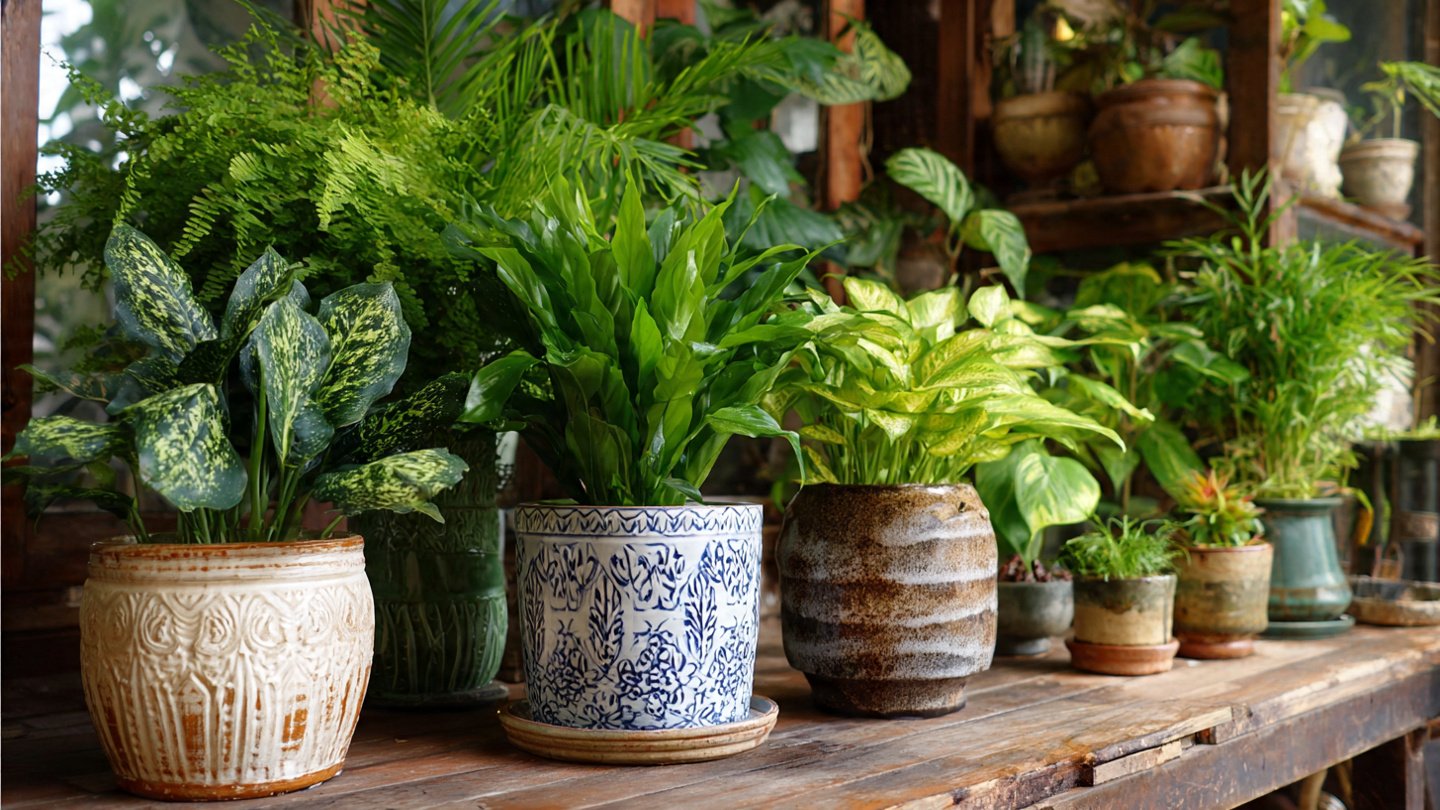
Indoor plants not only beautify your home but also purify the air, boost your mood, and improve overall well-being. For beginners, growing lush indoor plants can seem daunting, but with the right knowledge and care, anyone can become a successful indoor gardener. This guide will cover everything you need to know about selecting, potting, watering, feeding, and maintaining indoor plants.
Choosing the Right Indoor Plants
The first step to cultivating a thriving indoor garden is choosing plants that suit your lifestyle and the conditions of your home. Here are some popular options that are particularly well-suited for beginners:
Latest Posts
- How to Use Invisible Wire for a Stunning Climbing Plant Wall
- Are Your Garden Tools Making Your Plants Sick?
- How to Style a Small Studio with Columnar Cacti
- Why Is My Zucchini Shaped Like a Lightbulb?
- How to Protect Your Fruit From Birds Without Nets
- How to Keep Squirrels Away from Your Fruit Trees
- How to Protect Your Fruit from Birds Without Nets
- Why Biochar Is a Game-Changer for Your Kitchen Garden
- Why Some Rare Cacti Bloom Only One Night a Year
- How to Grow Rare Blue Strawberries at Home
1. Snake Plant (Sansevieria)
- Light Requirements: Low to moderate light
- Watering: Every 2-3 weeks
- Care Tips: This forgiving plant can tolerate neglect and varies from tall and upright to short and compact.
2. Pothos (Epipremnum aureum)
- Light Requirements: Low to bright indirect light
- Watering: Every 1-2 weeks
- Care Tips: Versatile and fast-growing, pothos can thrive in various conditions and is excellent for hanging baskets.
3. Spider Plant (Chlorophytum comosum)
- Light Requirements: Bright, indirect light
- Watering: Once a week
- Care Tips: Known for its air-purifying properties, spider plants produce “pups” that can be propagated easily.
4. ZZ Plant (Zamioculcas zamiifolia)
- Light Requirements: Low to bright indirect light
- Watering: Every 2-3 weeks
- Care Tips: Almost indestructible, the ZZ plant is perfect for beginners who may forget to water.

5. Peace Lily (Spathiphyllum)
- Light Requirements: Low to bright indirect light
- Watering: Weekly
- Care Tips: With beautiful white blooms, peace lilies also help improve indoor air quality.
Understanding Light Requirements
Lighting is crucial for a plant’s growth and health. Here’s a breakdown of different light conditions:
-
Low Light: Areas that receive no direct sunlight and are often near north-facing windows. Ideal for plants like the snake plant or ZZ plant.
-
Indirect Light: Bright but filtered light, usually from east or west-facing windows. Plants like pothos and spider plants thrive here.
-
Bright Direct Light: Areas that receive direct sunlight for a portion of the day. Succulents and cacti love this type of light.
Potting Your Indoor Plants
Choosing the Right Pot
Select a pot that suits your plant’s size and type. Here are some key features to look for:
-
Drainage Holes: Essential for preventing waterlogging, which can lead to root rot.
-
Material: Clay pots are porous and allow for breathability, while plastic pots retain moisture.
Potting Mix
A good quality potting soil provides essential nutrients and drainage. You can purchase pre-made mixes or create your own by combining:
- Peat moss or coconut coir: Helps retain moisture.
- Perlite or vermiculite: Improves aeration and drainage.
- Compost: Adds nutrients to the soil.
How to Pot
- Prepare the Pot: Ensure it’s clean and has drainage holes.
- Add Potting Mix: Fill the pot about one-third full.
- Position the Plant: Gently remove the plant from its nursery pot and place it in the center.
- Fill with Soil: Add more potting mix, pressing gently to remove air pockets.
- Water: Water the plant thoroughly and allow it to drain.
Watering Your Indoor Plants
Watering is essential but must be done correctly to avoid overwatering or underwatering.
General Guidelines:
- Know Your Plant: Different plants have different water requirements. Check the soil moisture before watering—if the top inch feels dry, it’s time to water.
- Check the Drainage: Always allow excess water to drain out. Program your watering schedule based on your plant’s needs, climate conditions, and the season.
- Use Room Temperature Water: Cold water can shock the roots.
Signs of Overwatering and Underwatering:
- Overwatering: Yellowing leaves, wilting, and root rot.
- Underwatering: Browning leaf tips, shriveling, and drooping leaves.

Feeding Your Indoor Plants
Indoor plants require nutrients to thrive. While potting mix provides initial nutrition, you’ll need to fertilize periodically.
Types of Fertilizers:
- Liquid Fertilizer: Easy to use and effective for quick nutrient absorption.
- Slow-Release Fertilizer: Releases nutrients gradually and can last several months.
Feeding Schedule:
- Growing Season (Spring and Summer): Fertilize every 4-6 weeks.
- Dormant Season (Fall and Winter): Generally, reduce feeding to once every 2-3 months.
Humidity and Temperature Needs
Indoor plants often love humidity and moderate temperatures. Here’s how to provide the best conditions:
Humidity
-
Ideal Range: Most indoor plants flourish with humidity levels between 40-60%.
-
Ways to Increase Humidity:
- Group Plants Together: This creates a microenvironment with higher humidity.
- Use a Humidifier: Especially helpful in dry climates or during winter months.
- Pebble Trays: Place pebbles in a shallow dish of water and set the plant pot on top.
Temperature
-
Ideal Range: Most indoor plants prefer temperatures between 65°F and 75°F (18°C to 24°C).
-
Avoid: Sudden temperature fluctuations, draughts, and direct heating/cooling vents.
Common Pests and Diseases
Indoor plants can face challenges from pests and diseases. Here’s how to identify and treat them:
Common Pests:
- Spider Mites: Tiny, web-spinning pests that can stress plants. Treat with insecticidal soap or neem oil.
- Aphids: Small, sap-sucking insects that can cause leaf curl. A strong spray of water can knock them off, or use insecticidal soap.
- Mealybugs: Cottony-white pests that attach to leaves. Remove them manually or treat with rubbing alcohol.
Common Diseases:
- Root Rot: Caused by overwatering. Ensure proper drainage and reduce watering frequency.
- Fungal Infections: Can be treated with fungicides or by increasing airflow around plants.
Seasonal Care
Seasonal Adjustments:
Indoor plants require different care in each season:
- Spring: Time for repotting and fertilizing. Increase watering as growth resumes.
- Summer: Monitor for pests; increase humidity if necessary.
- Fall: Reduce watering and fertilizer as plants enter dormancy.
- Winter: Keep plants warm and reduce watering significantly.
FAQs
1. What are the best indoor plants for low light?
Some excellent low-light options include snake plants, ZZ plants, and pothos.
2. How often should I water my indoor plants?
The frequency varies by plant type and environment. Always check the top inch of soil; if it’s dry, it’s generally time to water.
3. Do I need to fertilize my indoor plants?
Yes, but the frequency depends on the type of plant and the season. Generally, fertilize during the growing season.
4. Can I propagate indoor plants?
Yes! Many indoor plants can be propagated through cuttings or division, such as pothos and spider plants.
5. What should I do if my plant has yellowing leaves?
Yellowing leaves can indicate overwatering, underwatering, or nutrient deficiencies. Check soil moisture and adjust care accordingly.
6. How can I improve humidity for my indoor plants?
You can group plants together, use a humidifier, or place pots on pebble trays filled with water.
Conclusion
Growing lush indoor plants is a gratifying experience that enhances your living space and contributes to your well-being. By understanding light requirements, proper potting techniques, watering, feeding, and seasonal care, you’ll set the stage for your plants to thrive. With time and attention, you’ll not only nurture your indoor garden but develop a fulfilling hobby that can bring joy and beauty into your life. Happy planting!