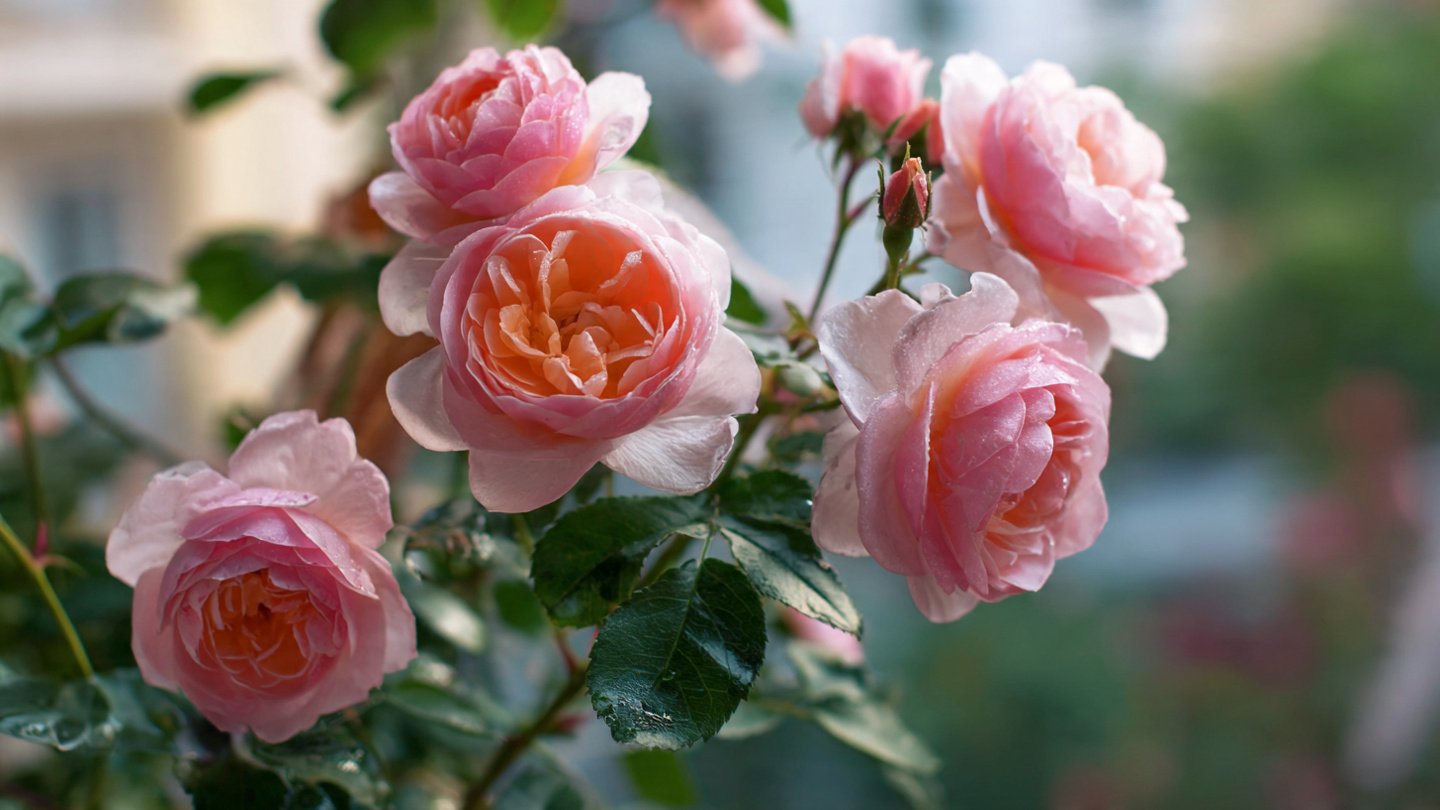
Roses are often considered the epitome of beauty in nature, symbolizing love and admiration. Their varied colors, fragrances, and forms make them a favorite among gardeners and flower enthusiasts alike. Growing roses at home can seem daunting, but with the right knowledge and techniques, it can become an enjoyable and rewarding experience. This ultimate guide will walk you through everything you need to know to grow beautiful roses effortlessly at home.
Understanding Roses
Types of Roses
Latest Posts
- How to Use Invisible Wire for a Stunning Climbing Plant Wall
- Are Your Garden Tools Making Your Plants Sick?
- How to Style a Small Studio with Columnar Cacti
- Why Is My Zucchini Shaped Like a Lightbulb?
- How to Protect Your Fruit From Birds Without Nets
- How to Keep Squirrels Away from Your Fruit Trees
- How to Protect Your Fruit from Birds Without Nets
- Why Biochar Is a Game-Changer for Your Kitchen Garden
- Why Some Rare Cacti Bloom Only One Night a Year
- How to Grow Rare Blue Strawberries at Home
Before diving into cultivation, it’s essential to understand the different types of roses available:
- Hybrid Tea Roses: Known for their large, fragrant blooms, these are often used in bouquets.
- Floribunda Roses: These feature clusters of flowers on a single stem, providing a vibrant display.
- Grandiflora Roses: A hybrid between hybrid tea and floribunda, grandiflora roses offer the best of both.
- Climbing Roses: Perfect for trellises, these roses can grow vertically and bloom profusely.
- Miniature Roses: Small yet charming, they are perfect for container gardening and small spaces.
- Old Garden Roses: These traditional roses offer rich scents and unique character, often blooming only once in a season.
Choosing the Right Variety
Selecting the right variety depends on your climate, garden space, and personal preferences. It’s crucial to choose roses that are suited to your local conditions, including sun exposure, soil type, and moisture levels.
Preparing the Soil
Soil Quality
Good soil is fundamental for healthy rose growth. Aim for well-draining soil rich in organic matter.

- pH Level: Roses thrive in slightly acidic soil with a pH between 6.0 and 6.8.
- Testing the Soil: Use a soil testing kit to check the pH and nutrient levels. Amend the soil based on the results.
Adding Organic Matter
Incorporate organic material such as compost or well-rotted manure into your soil. This boosts nutrient levels, improves drainage, and encourages beneficial microorganisms.
Drainage
Ensure that your roses have proper drainage to prevent root rot. Plant them in raised beds or mounds if your soil is clay-heavy. Adding sand or perlite can also improve drainage.
Planting Roses
When to Plant
The best time to plant roses is in early spring when the soil is workable, or in the fall before the first frost. Late winter or early spring is ideal for bare-root roses, while potted roses can generally be planted any time during the growing season.
Planting Techniques
- Digging the Hole: Create a hole deep enough to accommodate the roots without bending them. It should be about twice the size of the root ball.
- Spacing: Space your roses at least 18-24 inches apart to ensure adequate air circulation.
- Planting Depth: For grafted roses, plant them so that the graft union (where the rose variety meets the rootstock) is just above the soil line.
- Watering: Water the roots thoroughly after planting, allowing excess water to drain.
Sunlight & Watering
Sunlight Requirements

Roses require at least 6-8 hours of direct sunlight per day. If you’re planting them in a shady area, consider varieties that tolerate partial shade, but be prepared for fewer blooms.
Watering Techniques
- Frequency: Water roses deeply but infrequently, about once a week, or more often in extreme heat.
- Method: Water at the base of the plant to avoid wetting the foliage, which can lead to fungal diseases.
- Mulching: Apply a layer of mulch around the plants to retain moisture and reduce weed competition.
Fertilizing Roses
Choosing the Right Fertilizer
Roses benefit from a balanced fertilizer, typically one with a ratio of 10-10-10 (N-P-K) or a specialized rose fertilizer.
Fertilizing Schedule
- Spring: Apply fertilizer as new growth begins.
- Early Summer: A second application can support blooming.
- Avoid Late Fertilization: Stop fertilizing at least six weeks before the first expected frost.
Organic Options
If you prefer organic gardening methods, consider options like:
- Bone meal for phosphorus
- Fish emulsion for nitrogen
- Kelp meal for trace minerals

Pruning Roses
Pruning is essential for healthy growth, improved airflow, and increased blooms.
When to Prune
The best time to prune is in early spring, just before new growth begins. By removing dead or damaged wood, you encourage fresh growth.
Pruning Techniques
- Tools: Use sharp pruning shears and sterilize them before use to prevent disease.
- Cutting Angle: Make cuts at a 45-degree angle, about 1/4 inch above a bud facing outward.
- Removing Dead Wood: Cut back any dead or diseased wood to healthy tissue.
Pest and Disease Management
Common Pests
- Aphids: These tiny pests can suck the sap from roses, weakening them. Control them with insecticidal soap or neem oil.
- Spider Mites: These tiny red or yellow mites thrive in hot, dry conditions. Increasing humidity and washing the leaves can help.
- Japanese Beetles: Hand-picking or using traps can help manage these destructive pests.
Common Diseases
- Black Spot: This fungal disease causes black spots on leaves. Improve air circulation and avoid overhead watering to prevent it.
- Powdery Mildew: A white powdery substance on leaves indicates this disease. Prune for airflow and use fungicides if necessary.
- Rust: Characterized by orange or rust-colored spots on leaves, it can be managed by removing infected foliage and ensuring proper spacing.

Winter Protection
Preparing Roses for Winter
In colder climates, provide protection to your roses during winter:
- Mulch: Apply a thick layer of mulch around the base to insulate the roots.
- Covering: For hybrid tea and floribunda roses, mound soil around the base and cover with bark mulch or leaves.
- Container Roses: Move potted roses to a sheltered location or wrap containers with insulating material.
Additional Care Tips
- Deadheading: Regularly remove spent blooms to promote more flowers and prevent seed formation.
- Regular Inspection: Keep an eye out for pests or diseases, addressing issues promptly.
- Support Structures: Use trellises for climbing varieties to ensure proper growth and stunning displays.
Frequently Asked Questions (FAQs)
1. How often should I water my roses?
Water roses deeply once a week, adjusting based on weather conditions. In particularly hot weather, you may need to water more frequently.
2. Can roses be grown in pots?

Yes, many varieties, including miniature roses, thrive in pots. Ensure the container has drainage holes and use quality potting mix.
3. What is the best fertilizer for roses?
A balanced fertilizer or specialized rose fertilizer with equal parts nitrogen, phosphorus, and potassium (e.g., 10-10-10) works well. Organic options like compost are also effective.
4. How can I prevent pests and diseases?
Regular inspections, proper spacing for airflow, and maintaining correct moisture levels can help. Organic treatments like neem oil can also be effective against common pests.
5. Should I prune my roses every year?
Yes, annual pruning in early spring promotes healthy growth and encourages more blooms. Remove dead or diseased wood and shape the plant as necessary.
6. Do roses need a lot of sunlight?
Yes, roses require at least 6-8 hours of direct sunlight daily to thrive and produce blooms.
7. How do I know if my roses are getting enough nutrients?
Yellowing leaves and poor blooms are signs of nutrient deficiency. Conduct a soil test and adjust fertilization practices as needed.
Conclusion
Growing beautiful roses at home can be incredibly fulfilling and enriching. With this ultimate guide, you’re well-equipped to nurture stunning blooms effortlessly. Remember that patience and consistency are key; gardening is a journey, and each year you will learn more about your specific growing conditions and preferences. Enjoy the process and revel in the beauty of your blossoming rose garden!