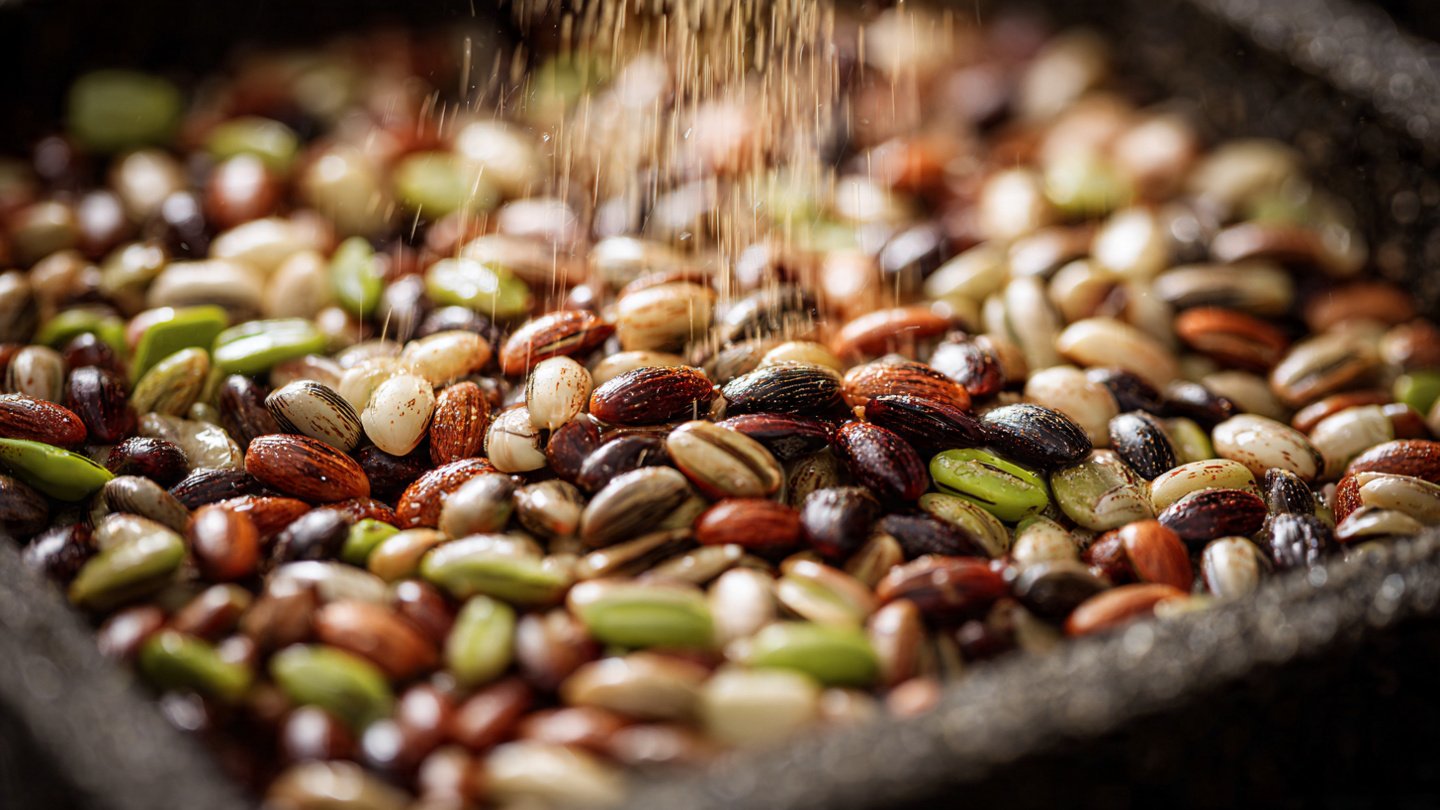
Creating a vibrant garden filled with blooming flowers is a dream for many gardening enthusiasts. The process of germinating flower seeds is integral to this endeavor, yet it can often be slow and unpredictable. Understanding how to accelerate germination can enhance your gardening experience, leading to a beautiful and flourishing garden more quickly.
Understanding Seed Germination
Germination is the process by which a seed develops into a new plant. It involves several stages, including the imbibition of water, the activation of cellular metabolism, and the emergence of the seedling. Understanding these stages can help you manipulate the environmental conditions to foster quicker germination.
Latest Posts
- How to Use Invisible Wire for a Stunning Climbing Plant Wall
- Are Your Garden Tools Making Your Plants Sick?
- How to Style a Small Studio with Columnar Cacti
- Why Is My Zucchini Shaped Like a Lightbulb?
- How to Protect Your Fruit From Birds Without Nets
- How to Keep Squirrels Away from Your Fruit Trees
- How to Protect Your Fruit from Birds Without Nets
- Why Biochar Is a Game-Changer for Your Kitchen Garden
- Why Some Rare Cacti Bloom Only One Night a Year
- How to Grow Rare Blue Strawberries at Home
Factors Affecting Germination
- Water: Seeds require moisture to activate metabolic processes. However, too much water can cause rot.
- Temperature: Each seed species has an optimal temperature range for germination.
- Light: Some seeds need light to germinate, while others require darkness.
- Air (Oxygen): Seeds need oxygen for cellular respiration. Packaged or compacted soils can restrict airflow.
- Seed Viability: Old or poorly stored seeds may have reduced germination rates.
Effective Techniques to Accelerate Germination
Here are several proven techniques to speed up the germination process of flower seeds:
1. Soaking Seeds
Soaking seeds in water for 12 to 24 hours can help soften the seed coat and initiate the germination process. This technique is particularly effective for hard-coated seeds, such as those from flowers like morning glories or sweet peas.
Steps:

- Place seeds in a bowl of warm water.
- Allow them to soak for the recommended time.
- Drain and plant the seeds immediately after soaking.
2. Using a Seed Germination Mat
A seed germination mat is an electric mat that maintains a specific temperature to promote faster germination. Many seeds germinate best at temperatures between 70°F and 75°F (21°C to 24°C).
Steps:
- Lay the seed germination mat on a flat surface.
- Place seed trays on top of the mat.
- Monitor the temperature to ensure it stays within the optimal range.
3. Pre-Chilling Seeds
Certain seeds, such as those from native wildflowers, may require cold stratification to mimic winter conditions. This process can break dormancy and lead to quicker germination.
Steps:
- Place seeds in a damp paper towel or medium.
- Seal them in a plastic bag and refrigerate for 2 to 4 weeks.
- Remove seeds from the refrigerator and plant immediately.
4. Using Seed Starting Mix
Using a high-quality seed starting mix provides the ideal seedbed for germination, ensuring good aeration and drainage.
Steps:
- Fill seed trays with seed starting mix.
- Moisten the mix thoroughly but do not saturate it.
- Sow seeds according to package instructions and lightly cover.
5. Providing Adequate Light
For seeds that require light to germinate, ensure they receive sufficient exposure to light immediately after sowing.
Steps:
- Use fluorescent grow lights or natural sunlight.
- Position lights 2 to 4 inches (5 to 10 cm) above the seed trays.
- Keep lights on for 12 to 16 hours per day.

6. Incorporating Heat Sources
In areas where temperatures are inconsistent, using additional heat sources can help maintain optimal conditions. Heat mats, seedling trays, or even placing trays in a warm, sunny spot can make a significant difference.
7. Using Grow Domes or Plastic Wrap
Creating a greenhouse effect by covering seed trays with clear plastic can help retain moisture and warmth.
Steps:
- Cover trays with clear plastic wrap or a humidity dome.
- Remove the covering once seeds start to sprout to allow airflow.
8. Nitrogen Phosphorus Fertilization
A diluted solution of a balanced fertilizer can offer essential nutrients to seedlings once they begin to emerge. This can encourage quicker growth.
Steps:
- Mix fertilizer according to package recommendations.
- Apply immediately after seedlings sprout.
Timing Your Planting
Understanding the right timing for planting your flower seeds is crucial. Here’s a general timeline:
- Annuals: These can be sown indoors 6-8 weeks before the last frost or directly into the garden after the threat of frost has passed.
- Perennials: These may require cold stratification, so plan to sow them in fall or early spring.
- Biennials: These generally prefer sowing in late summer for blooms the following year.
Troubleshooting Common Germination Issues
Even with the above strategies, you may encounter challenges in your seed germination process:
- Poor germination rates: Check the harvest date or storage conditions of your seeds.
- Seedlings are leggy: This often indicates insufficient light. Increase light exposure.
- Seeds rotting: Ensure that your soil has good drainage and that you’re not overwatering.
Creating Ideal Conditions for Growth Post-Germination
After you’ve successfully germinated seeds, the next step is to ensure their healthy growth:
- Thinning Seedlings: If you sowed seeds too closely, thin them out to avoid competition for light and nutrients.
- Watering Carefully: Water seedlings gently to avoid disturbing the roots.
- Gradual Acclimation: Introduce young plants gradually to outdoor conditions to prevent shock.
FAQs
1. How long does it typically take flower seeds to germinate?
Germination time varies by species. While some annuals like marigolds may sprout within a week, others, like perennials, can take several weeks to months.
2. What are the best conditions for seed germination?
The best conditions typically include consistent moisture, an optimal temperature (generally 65°F to 75°F), and adequate light exposure if required by the seed type.
3. Can I germinate flower seeds in paper towels?
Yes, germinating seeds in damp paper towels is a great method for monitoring sprouting. Place the paper towels in a warm location and check daily for moisture.
4. How can I tell if my seeds are viable?
To test viability, you can do a simple germination test: place a few seeds between damp paper towels in a warm area and check for sprouting within a week or two.
5. What should I do if my seeds aren’t germinating?
If your seeds are not germinating, check factors like moisture, temperature, and light. Also, reassess the age and storage conditions of the seeds.
Conclusion
By employing these techniques to accelerate the seed germination process, you can create a thriving garden filled with colorful blooms in less time than expected. Whether you’re an experienced gardener or a novice, understanding and optimizing the germination process can yield a vibrant garden that you’ll enjoy all season long. Implement these tips, and watch your flower seeds flourish!