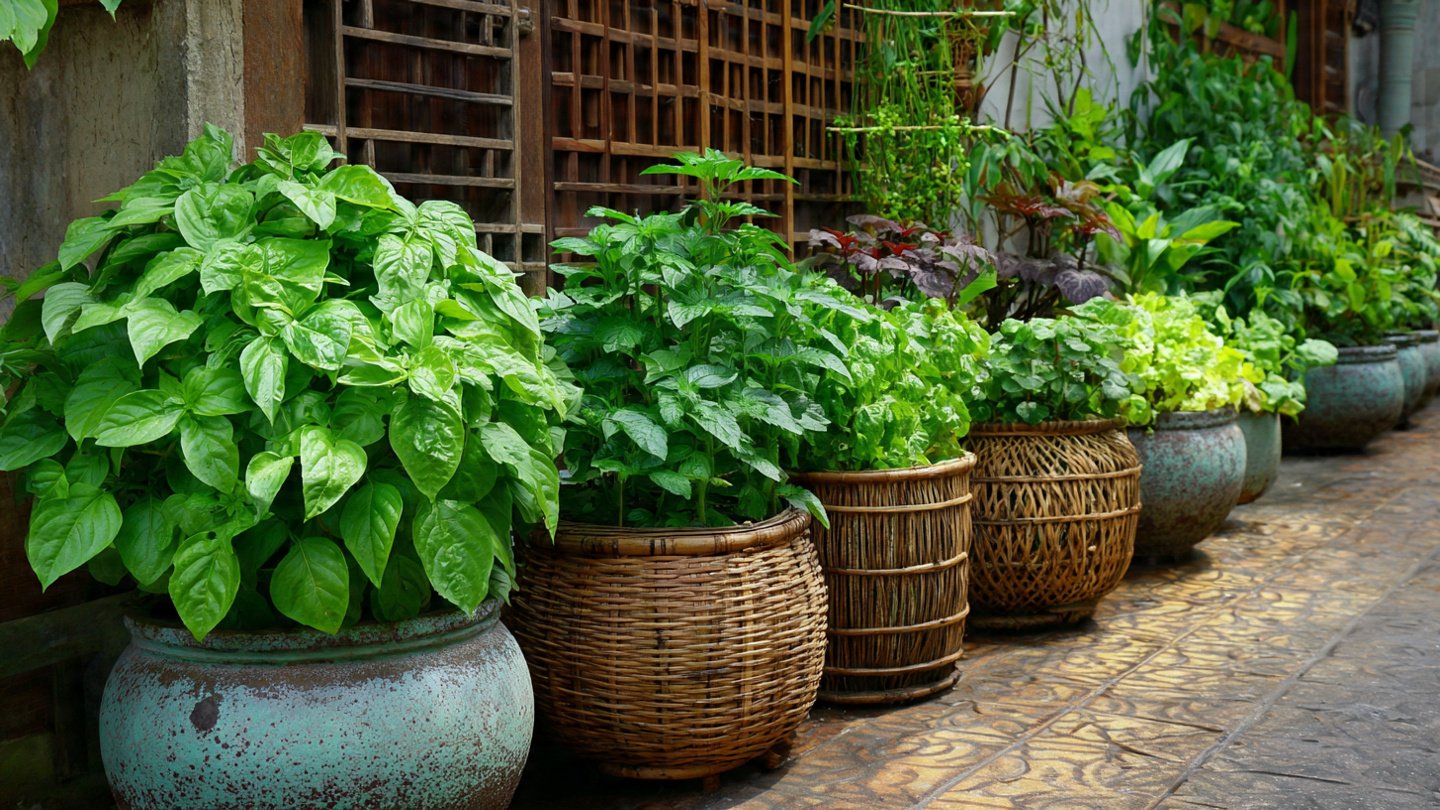
Urban living often brings restrictions when it comes to gardening. With limited space, busy lifestyles, and environmental constraints, many city-dwellers believe that growing fresh vegetables is impossible. However, urban gardening is more accessible than ever, thanks to the adaptability of many plants. Small pots are perfect for balconies, patios, and even small kitchen windowsills. Below, we’ll explore amazing vegetables that you can easily grow in small pots, along with tips and tricks to ensure a bountiful harvest.
1. Tomatoes
Varieties:
Latest Posts
- How to Use Invisible Wire for a Stunning Climbing Plant Wall
- Are Your Garden Tools Making Your Plants Sick?
- How to Style a Small Studio with Columnar Cacti
- Why Is My Zucchini Shaped Like a Lightbulb?
- How to Protect Your Fruit From Birds Without Nets
- How to Keep Squirrels Away from Your Fruit Trees
- How to Protect Your Fruit from Birds Without Nets
- Why Biochar Is a Game-Changer for Your Kitchen Garden
- Why Some Rare Cacti Bloom Only One Night a Year
- How to Grow Rare Blue Strawberries at Home
- Cherry Tomatoes: These are smaller and grow well in containers.
- Patio Tomatoes: Specifically bred for containers, they produce a good yield.
Growing Tips:
- Use a pot that’s at least 5 gallons for adequate growth.
- Ensure your tomatoes receive about 6-8 hours of sunlight daily.
- Regular watering is essential; tomatoes thrive with consistent moisture but do not like soggy roots.
Why Grow Them?
Tomatoes are highly nutritious and versatile in cooking. Home-grown tomatoes can elevate your salads and sauces and they taste significantly better than store-bought varieties.
2. Lettuce
Varieties:
- Romaine
- Butterhead
- Leaf Lettuce
Growing Tips:
- A shallow pot (at least 6-8 inches deep) is sufficient.
- Use nutrient-rich potting soil and allow for good drainage.
- Space seeds or seedlings at least 4 inches apart.
- Lettuce prefers cooler temperatures, so plant in the spring or fall for the best flavor.

Why Grow It?
Lettuce can be harvested multiple times throughout the growing season, providing fresh greens right at your doorstep. It’s a great choice for salads, wraps, and as a garnish.
3. Radishes
Varieties:
- Cherry Belle
- French Breakfast
Growing Tips:
- Radishes need a pot that’s at least 6-8 inches deep.
- They grow quickly, usually ready to harvest within 3-4 weeks.
- They prefer full sunlight and should be watered regularly.
Why Grow Them?
Radishes are one of the fastest-growing vegetables, making them ideal for beginners. Their peppery flavor adds a unique touch to salads and sandwiches.
4. Green Onions (Scallions)
Growing Tips:
- You can grow them in small pots, just a few inches deep.
- Simply place the bulb end in soil, leaving the green tops exposed.
- They require only moderate sunlight and should be watered lightly.
Why Grow Them?
Green onions are incredibly versatile and can be used in many dishes. You can even regrow them indefinitely by keeping the roots in water after the first harvest.
5. Spinach
Varieties:
- Savoy Spinach
- Flat-Leaf Spinach
Growing Tips:
- Use a pot that is at least 8-10 inches deep for root development.
- Plant in early spring or late summer and ensure they get full sunlight.
- Keep the soil consistently moist but not waterlogged.
Why Grow It?
Spinach is full of nutrients and can be added to various dishes. It’s easy to grow and can be harvested multiple times if trimmed correctly.
6. Peppers
Varieties:
- Bell Peppers
- Jalapeños
Growing Tips:
- Use pots that are at least 3 gallons for peppers.
- They require 6-8 hours of sunlight each day.
- Water when the soil feels dry to the touch.
Why Grow Them?
Peppers add not only flavor but also a pop of color to your pots. They can be eaten raw in salads, cooked, or stuffed, making them incredibly versatile.

7. Herbs
Although not vegetables, many culinary herbs grow well in pots and can complement your vegetable garden.
Popular Choices:
- Basil: Perfect for Italian dishes.
- Parsley: Adds flavor and garnishes.
- Cilantro: Essential for many cuisines.
Growing Tips:
- Most herbs can thrive in pots as small as 6-8 inches.
- They require good drainage and a sunny spot.
- Regularly trim leaves to encourage bushier growth.
Why Grow Them?
Fresh herbs elevate the flavors of your dishes and save you money on store-bought varieties.
8. Carrots
Varieties:
- Nantes
- Short and Sweet Varieties
Growing Tips:
- Opt for deep pots (at least 12 inches) to accommodate root growth.
- Carrots prefer cooler weather, making them suitable for both spring and fall planting.
- Thinning seedlings is essential to ensure ample space for roots to develop.
Why Grow Them?
Carrots are nutritious and add a sweet crunch to any meal. They can be eaten raw or cooked in various dishes.
9. Zucchini
Varieties:
- Patty Pan
- Baby Zucchini
Growing Tips:
- Use pots that are at least 5 gallons deep.
- They need 6-8 hours of sunlight daily and should be watered deeply but infrequently.
Why Grow Them?
Zucchini is a prolific producer and can take up limited space. It’s excellent for grilling, baking, and stuffing.
10. Beets
Varieties:
- Red Beets
- Golden Beets
Growing Tips:
- A pot with at least 8-10 inches depth is essential.
- They prefer cooler weather and should be spaced adequately to allow for bulb development.
- Water consistently to keep the soil moist.

Why Grow Them?
Beets provide both nutritious roots and leafy greens. They are excellent roasted, pickled, or juiced.
Conclusion
Urban gardening is not just about beautifying a space; it’s a rewarding way to grow your food sustainably. Starting small with pots allows you to explore different plants without overwhelming yourself. All these vegetables, along with herbs, can thrive in limited spaces and yield delightful results in your kitchen.
FAQs
1. Can I grow vegetables indoors?
Yes, many vegetables can grow indoors with sufficient light from windows or grow lights. Herbs and smaller veggies like lettuce or radishes adapt well to indoor conditions.
2. How often should I water my potted vegetables?
Frequency depends on the plant type, pot size, and climate. Generally, check the soil; if the top inch feels dry, it’s time to water. Deep watering is more effective than frequent shallow watering.
3. What is the best soil for container gardening?
Using a high-quality potting mix specifically designed for container gardening is ideal. It provides good drainage and nutrients essential for plant growth.
4. How much sunlight do my potted vegetables need?
Most vegetables require 6-8 hours of direct sunlight daily. Observing your plants for signs of insufficient light, like leggy growth or yellowing leaves, can help adjust their positioning.
5. Can I use recycled containers for planting vegetables?
Yes, recycled containers can be used for gardening, but ensure they are clean and have adequate drainage holes. Avoid containers that previously held harmful chemicals.
6. Are there any risks to growing vegetables in pots?
While it’s generally safe, ensuring proper drainage and adequate spacing is crucial to prevent root rot and overcrowding, which can lead to plant diseases.
Starting an urban garden in small pots can transform not just your living space but also your eating habits. With the right choices and care, you can harvest fresh vegetables and create a sustainable urban oasis. Happy gardening!