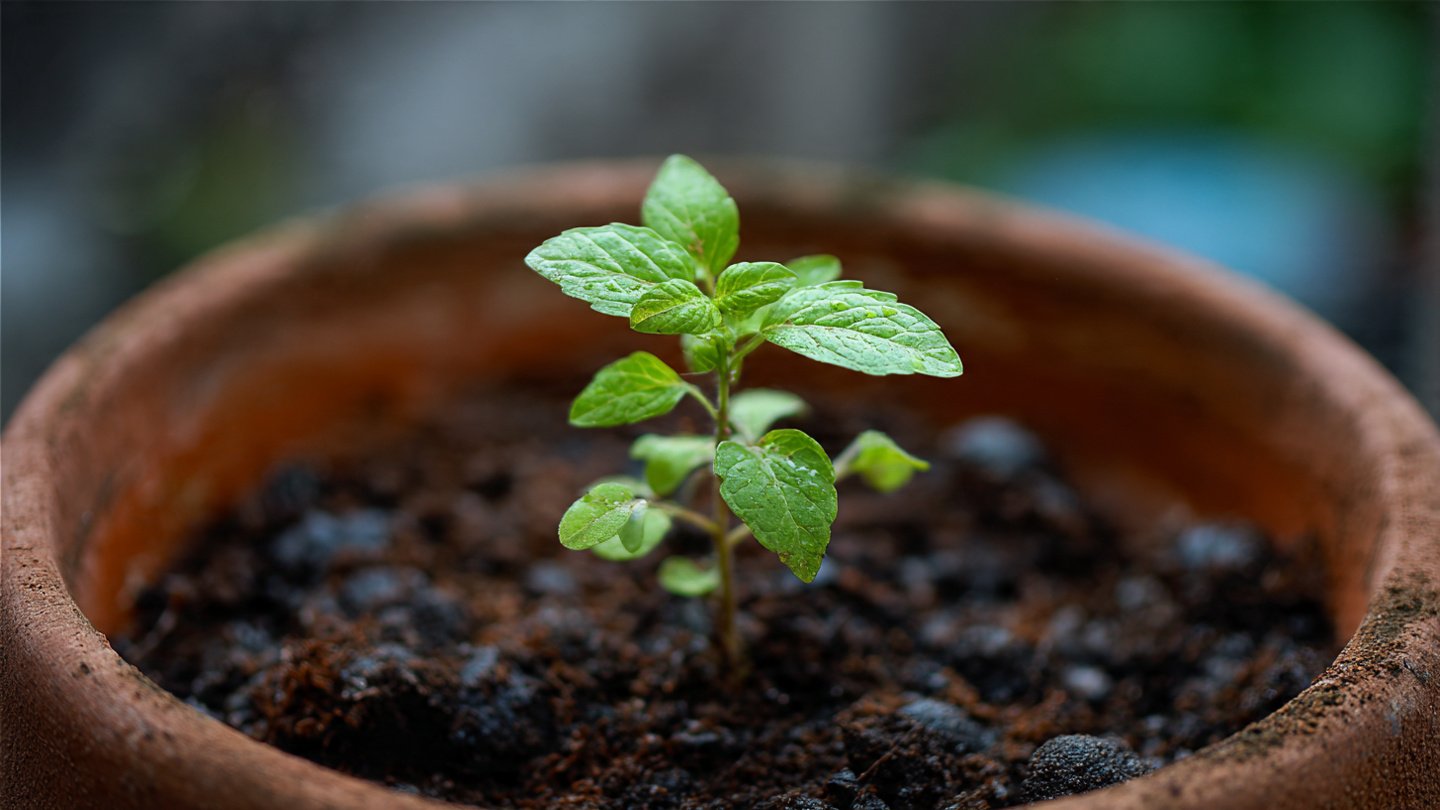
Tulsi, also known as holy basil (Ocimum sanctum), is a revered herb in Indian culture, celebrated for its medicinal properties, aromatic leaves, and spiritual significance. Growing Tulsi at home not only enhances your gardening skills but also ensures a fresh supply of this beneficial herb. This guide provides a comprehensive overview of successfully growing Tulsi from seeds at home, utilizing simple techniques and natural methods.
Understanding Tulsi
Varieties of Tulsi
Latest Posts
- How to Use Invisible Wire for a Stunning Climbing Plant Wall
- Are Your Garden Tools Making Your Plants Sick?
- How to Style a Small Studio with Columnar Cacti
- Why Is My Zucchini Shaped Like a Lightbulb?
- How to Protect Your Fruit From Birds Without Nets
- How to Keep Squirrels Away from Your Fruit Trees
- How to Protect Your Fruit from Birds Without Nets
- Why Biochar Is a Game-Changer for Your Kitchen Garden
- Why Some Rare Cacti Bloom Only One Night a Year
- How to Grow Rare Blue Strawberries at Home
Tulsi comes in various varieties, including:
- Sri Tulsi (Green Leaf Tulsi): Commonly used for culinary and medicinal purposes.
- Krishna Tulsi (Purple Leaf Tulsi): Known for its purplish leaves and is often used in religious rituals.
- Vana Tulsi (Wild Tulsi): Grows in the wild and is less cultivated but has distinct medicinal properties.
Health Benefits
Tulsi is loaded with essential oils, antioxidants, and vitamins. Some notable health benefits include:
- Boosting the immune system
- Reducing stress and anxiety
- Supporting respiratory health
- Anti-inflammatory properties
Preparing to Grow Tulsi from Seeds
1. Choosing the Right Seeds

Start with high-quality seeds from reputable sources. Organic and heirloom seeds are great options that ensure better germination and growth.
2. Selecting the Location
Tulsi prefers a warm, sunny location with at least 6-8 hours of direct sunlight daily. A south-facing window sill or balcony can be ideal.
3. Potting Soil Requirements
Opt for a well-draining potting mix, preferably enriched with compost. A mix of equal parts of potting soil, vermiculite, and perlite can provide the right balance of nutrients and drainage.
4. Essential Tools
Equip yourself with the following tools for successful planting and maintenance:
- Seed trays or small pots
- A watering can or spray bottle
- Labels to identify varieties
- Gardening gloves
Planting Tulsi Seeds
1. Timing
The best time to plant Tulsi seeds is in spring, after the last frost. However, in warm climates, you can grow Tulsi year-round.
2. Sowing Seeds
- Fill seed trays or pots with the prepared potting mix.
- Lightly moisten the soil with water.
- Sow the seeds about ¼ inch deep and space them about 6 inches apart.
- Cover them lightly with soil, and gently press down.
3. Watering
Water the seeds gently using a spray bottle to avoid disturbing them. Keep the soil consistently moist but not waterlogged. Avoid overhead watering as it can lead to fungal diseases.
4. Germination
Seeds typically germinate within 7-14 days. Ensure they receive enough light, either from sunlight or with the help of grow lights.
Care and Maintenance
1. Sunlight
Once seedlings emerge, ensure they have at least 6-8 hours of sunlight daily. If the seedlings are indoors, consider rotating the pots regularly for even light distribution.
2. Temperature
Tulsi thrives in temperatures between 70°F and 90°F (21°C to 32°C). If temperatures drop below 50°F (10°C), the plants can suffer.
3. Pruning and Harvesting
- Pruning: Once plants reach about 6 inches tall, pinch back the tips to encourage bushier growth and prevent them from becoming leggy. Prune regularly to promote healthy growth.
- Harvesting: Begin harvesting leaves when the plants are about 8 inches tall. Always remove leaves from the top to stimulate further growth.

4. Fertilizing
Feed Tulsi plants with organic fertilizers such as compost or a balanced water-soluble fertilizer every 4-6 weeks during the growing season.
5. Pest Management
Tulsi is relatively pest-resistant but may attract aphids or spider mites. Use natural pest management techniques:
- Neem oil: Dilute neem oil in water and spray on affected plants.
- Soap solution: A mild soap solution can help control pests without harming beneficial insects.
6. Avoiding Diseases
Prevent fungal diseases by ensuring proper air circulation around the plants. Avoid overwatering and keep the leaves dry. If leaf spots appear, remove affected leaves and adjust care practices.
Harvesting and Using Tulsi
1. When to Harvest
Harvest leaves when they are mature, typically just before the plant flowers for the best flavor and nutritional content.
2. How to Harvest
Use clean, sharp scissors to snip leaves, taking care not to remove more than one-third of the plant at a time to ensure it remains healthy.
3. Culinary Uses
Tulsi leaves can be used in various dishes, teas, and herbal remedies. They can be fresh, dried, or ground into powders.
4. Storing Tulsi
- Fresh: Store in the refrigerator wrapped in a damp paper towel.
- Dried: Hang it upside down in a cool, dark place or use a dehydrator.
FAQs
1. Can I grow Tulsi indoors?
Yes, Tulsi can thrive indoors if provided sufficient sunlight. Consider using grow lights if natural light is insufficient.
2. How long does it take for Tulsi seeds to germinate?
Tulsi seeds usually take 7-14 days to germinate, depending on the environmental conditions.
3. What should I do if my Tulsi plant is becoming leggy?
Leggy plants occur due to insufficient light. Ensure they receive enough sunlight and consider moving them to a brighter spot.
4. Can Tulsi be grown in water?
Tulsi can tolerate being started in water, but it is best to transplant it into soil for optimal growth.
5. How often should I water my Tulsi plant?
Water your Tulsi plants thoroughly when the top inch of the soil feels dry. Ensure the pot has proper drainage to prevent root rot.
6. Is Tulsi a perennial or annual plant?
Tulsi is typically grown as an annual in colder climates but can behave like a perennial in warmer regions.
7. What pests commonly affect Tulsi plants?
Common pests include aphids, spider mites, and whiteflies. Regularly inspect your plants and use organic pest control methods when necessary.
8. Can I use Tulsi for making tea?
Absolutely! Tulsi leaves make a wonderfully aromatic tea that can be enjoyed hot or cold, often with added honey or lemon.
9. Does Tulsi need a lot of fertilizers?
Tulsi benefits from moderate feeding. Using organic fertilizers every 4-6 weeks is usually sufficient.
10. What is the best time of day to harvest Tulsi leaves?
The best time to harvest Tulsi is in the morning when the oils are most concentrated, ensuring maximum flavor and aroma.
By following this comprehensive guide, you can cultivate thriving Tulsi plants at home, enjoying both their beauty and benefits. With patience and care, you’ll find yourself enriched by this remarkable herb, both in culinary delights and healthful properties. Happy gardening!