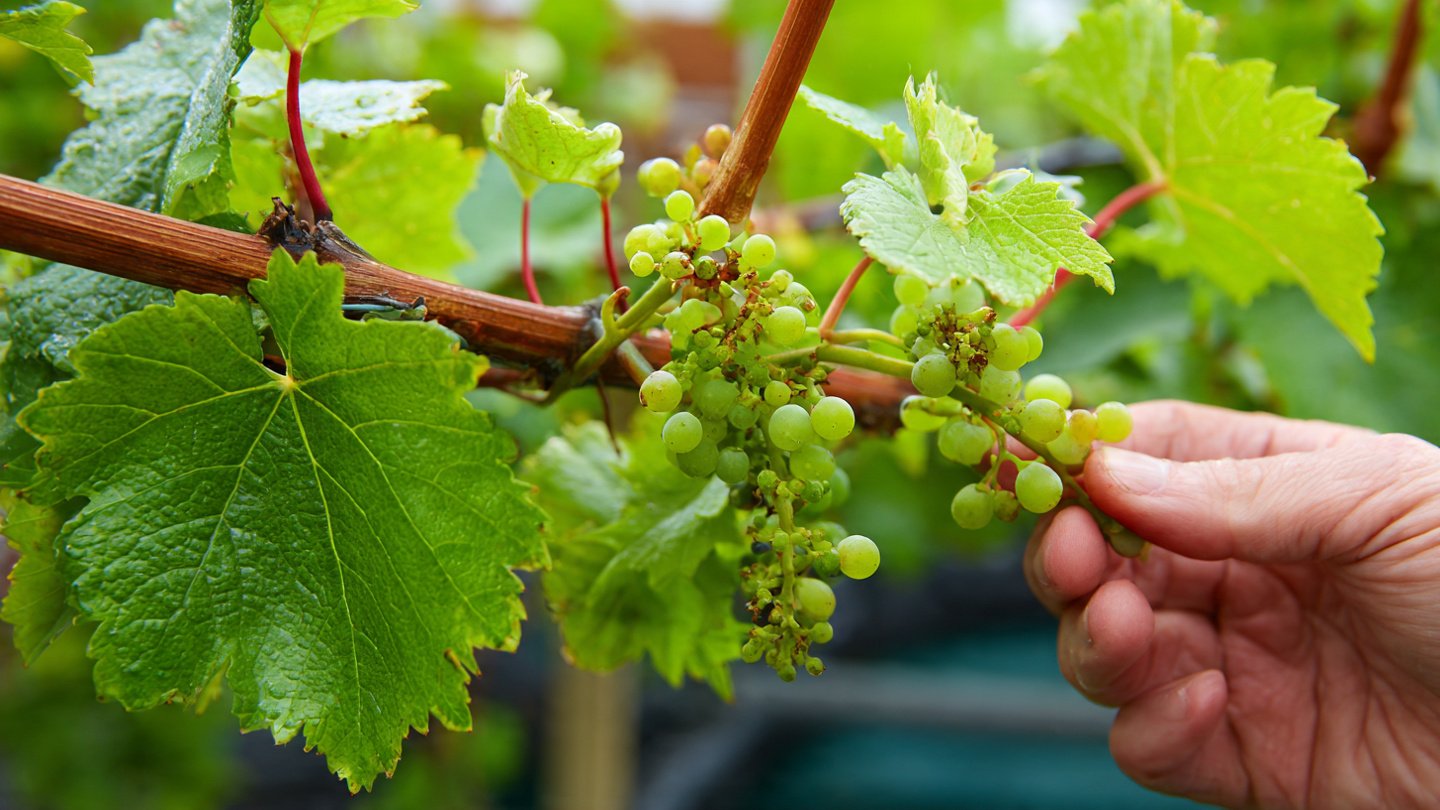
Growing grapevines from cuttings is a rewarding endeavor that many gardeners embark upon to enjoy the delicious fruit harvests and beautiful foliage. Whether you are looking to create a backyard vineyard or simply want to enjoy the lush greenery, this detailed guide will help you through the steps required to successfully grow grapevines from cuttings at home.
Understanding Grape Vines
Before we dive into the process, it’s essential to understand a few basics about grapevines. Grapes belong to the genus Vitis, and they thrive in temperate climates. They require well-draining soil, plenty of sunlight, and the right care to flourish. Propagation through cuttings is an effective way to reproduce vines, as it ensures that the new plants maintain the same characteristics as the parent plant.
Latest Posts
- How to Use Invisible Wire for a Stunning Climbing Plant Wall
- Are Your Garden Tools Making Your Plants Sick?
- How to Style a Small Studio with Columnar Cacti
- Why Is My Zucchini Shaped Like a Lightbulb?
- How to Protect Your Fruit From Birds Without Nets
- How to Keep Squirrels Away from Your Fruit Trees
- How to Protect Your Fruit from Birds Without Nets
- Why Biochar Is a Game-Changer for Your Kitchen Garden
- Why Some Rare Cacti Bloom Only One Night a Year
- How to Grow Rare Blue Strawberries at Home
Selecting the Right Time for Cuttings
Timing is crucial when it comes to taking cuttings. The ideal time for taking grapevine cuttings is during late winter to early spring when the vines are still dormant. This typically occurs after the last frost but before the buds start to swell. For many climates, this means late February to mid-March.
Step-by-Step Guide to Grow Grape Vines from Cuttings
Step 1: Gather Your Materials
Here’s a list of materials you will need:
- Healthy grapevine: Choose a variety that’s well-suited for your climate.
- Pruning shears: Sharp and clean to avoid harming the plants.
- Rooting hormone: Optional, but can help promote root growth.
- Containers for rooting: Small pots or trays filled with potting soil.
- Plastic bags or humidity domes: To maintain humidity.
- Water: For soaking and watering.

Step 2: Take the Cuttings
-
Identify Suitable Vines: Choose a healthy parent vine. Look for a vigorous shoot that is at least one year old, as younger wood may not root effectively.
-
Take the Cuttings: Using sharp pruning shears, cut sections about 6-8 inches long. Ensure each cutting has at least 2-3 buds. Make a clean cut at a 45-degree angle just below a bud.
-
Remove Lower Leaves: Strip away the leaves on the bottom half of each cutting, leaving the top leaves intact. This reduces moisture loss.
Step 3: Prepare the Cuttings
-
Apply Rooting Hormone: While optional, dipping the cut end of each cutting in rooting hormone can help stimulate root growth. Follow the instructions on the product for the best results.
-
Prepare the Containers: Fill your containers with a good quality potting mix that drains well. Moisten the soil slightly before planting.

Step 4: Plant the Cuttings
-
Insert the Cuttings: Make holes in the soil using your finger or a stick and insert the cuttings at least 1-2 inches deep. Ensure that at least one node (the bump where leaves grow) is buried in the soil.
-
Space the Cuttings: If using a tray, space the cuttings about 4-6 inches apart.
Step 5: Create a Humid Environment
-
Cover the Cuttings: Use plastic bags or humidity domes to cover the containers. This will help retain moisture and create a greenhouse effect.
-
Place in Indirect Light: Position the containers in a location that gets indirect sunlight. Avoid direct sun exposure, which can scorch the cuttings.
Step 6: Care for the Cuttings
-
Watering: Keep the soil consistently moist but not soggy. Water gently to avoid dislodging the cuttings.
-
Monitor for Roots: In about 4-8 weeks, you should see roots developing. You can gently tug on the cuttings to check for resistance, indicating roots are forming.

Step 7: Transplanting
-
Harden Off: Before transplanting to their permanent location, gradually acclimate the young vines to outdoor conditions over 1-2 weeks. Start by placing them outside for a few hours each day.
-
Choose the Right Location: Select a sunny spot with well-draining soil for transplanting, ideally in a location that provides shelter from strong winds.
-
Transplant: Dig holes wide enough for the roots and gently place each cutting into a hole, covering with soil and watering well. Space the plants 6-8 feet apart for optimal growth.
Step 8: Ongoing Care
-
Watering: Continue watering regularly, especially during dry spells. Young vines are sensitive and require consistent moisture to establish.
-
Fertilization: Once the vines start growing, apply a balanced fertilizer according to the package instructions. Be careful not to over-fertilize, as it can harm young plants.
-
Training: As the vines grow, consider training them on a trellis or arbor to encourage upward growth and maximize sun exposure.
-
Pest Management: Keep an eye out for pests such as aphids or spider mites. If noticed, treat with insecticidal soap or neem oil.
Common Issues and Solutions
- Root Rot: If cuttings are left in soggy soil, they may develop root rot. Ensure proper drainage and avoid overwatering.
- Wilting: If the cuttings start to wilt, double-check the moisture level. Adjust your watering schedule if necessary.
- Fungal Diseases: High humidity can lead to fungal issues. Ensure good air circulation around the cuttings.
FAQs
1. Can I grow grapevines from store-bought grapes?
Yes, you can try growing grapevines from seeds or cuttings taken from store-bought grapes, but success rates may vary. Store-bought grapes are often hybrids and may not reproduce true-to-type.
2. What type of soil is best for grape vines?
Grapevines prefer well-draining soil, ideally sandy or loamy, with a pH between 5.5 and 7.0. Amend your soil with organic matter to improve drainage.
3. Do grapevines need full sun?
Yes, grapevines thrive in full sun, requiring at least 6-8 hours of direct sunlight daily for optimal growth and fruit production.

4. How long will it take for my grapevine to produce fruit?
Typically, grapevines will take 2-3 years to begin producing fruit, depending on the variety and environmental conditions.
5. How do I know when to harvest grapes?
Grapes are typically ready for harvest when they are fully colored, firm, and sweet. Tasting a few samples can help determine ripeness.
6. Can I grow grapevines indoors?
While possible, growing grapevines indoors can be challenging due to the need for ample light. If you have a south-facing window, consider using supplemental grow lights.
Conclusion
Growing grapevines from cuttings can be a fulfilling project, yielding colorful and delectable fruits alongside beautiful green foliage. By following this step-by-step guide and addressing common issues, you can create a thriving grapevine in your garden or backyard. Remember to tend to them patiently; good things take time — and soon enough, you’ll be enjoying your very own homegrown grapes.