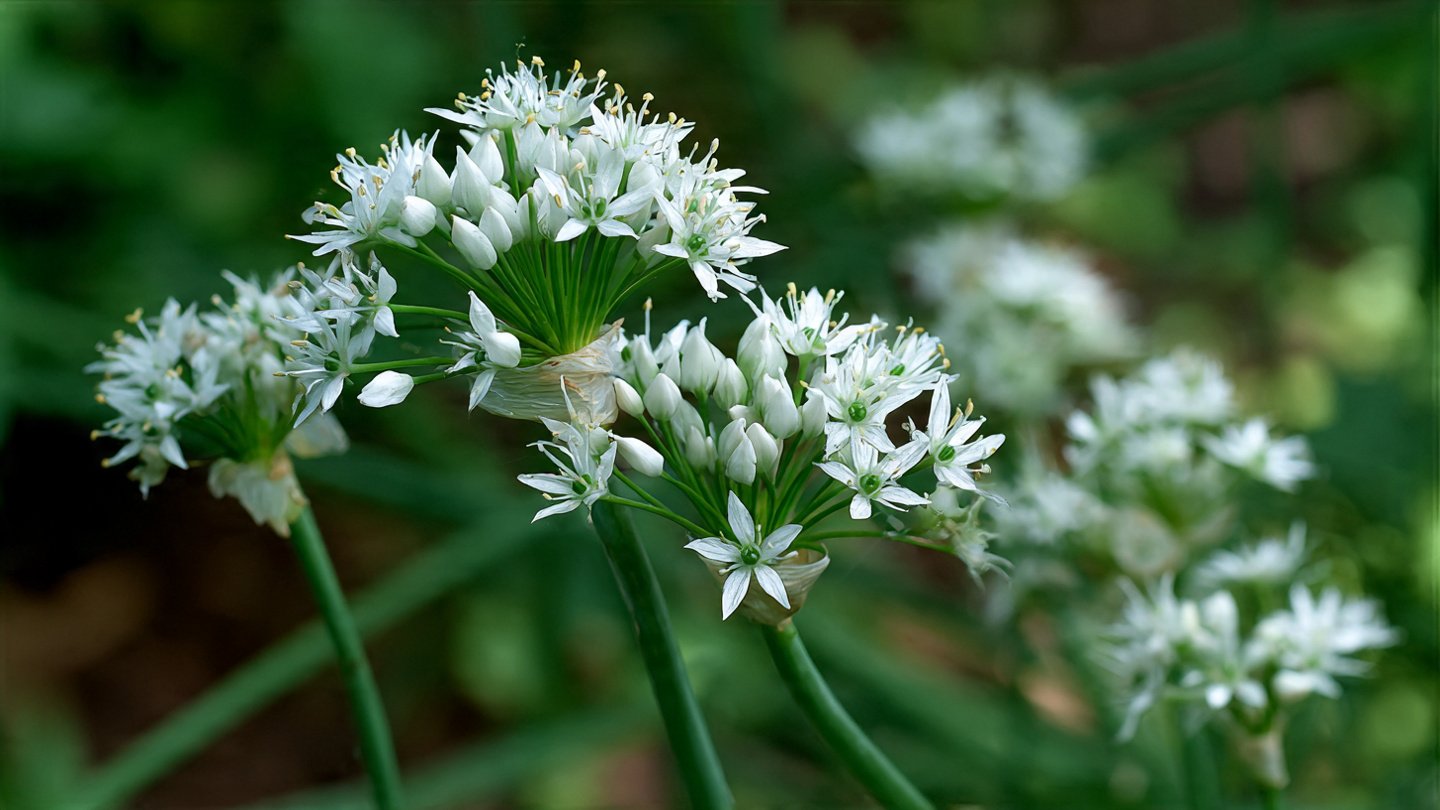
Linaria, commonly known as toadflax, is a charming perennial and annual flower that adds a splash of color to gardens with its delicate bloom and slender, green foliage. Not only does it attract pollinators like bees and butterflies, but it also thrives in various soil conditions. Growing Linaria from seed is an enjoyable and rewarding gardening endeavor. This guide will walk you through every step, from seed selection to planting, allowing you to cultivate your own beautiful Linaria plants with ease.
Understanding Linaria
Before diving into the cultivation process, it’s essential to understand the plant itself. Linaria comes in several varieties, with the most common types being annuals like Linaria maroccana and perennials like Linaria vulgaris. They produce small, spurred flowers in shades of purple, yellow, orange, and pink, making them an aesthetically pleasing choice for any garden.
Latest Posts
- How to Use Invisible Wire for a Stunning Climbing Plant Wall
- Are Your Garden Tools Making Your Plants Sick?
- How to Style a Small Studio with Columnar Cacti
- Why Is My Zucchini Shaped Like a Lightbulb?
- How to Protect Your Fruit From Birds Without Nets
- How to Keep Squirrels Away from Your Fruit Trees
- How to Protect Your Fruit from Birds Without Nets
- Why Biochar Is a Game-Changer for Your Kitchen Garden
- Why Some Rare Cacti Bloom Only One Night a Year
- How to Grow Rare Blue Strawberries at Home
Key Traits of Linaria
- Growth Habit: Linaria plants can vary in height but generally reach about 1 to 2 feet.
- Bloom Time: They typically bloom from late spring to summer, offering a vibrant show for several weeks.
- Light Requirement: Linaria thrives in full sun to partial shade.
- Soil Type: Well-drained, sandy, or loamy soil is best, although they tolerate a range of soil conditions.
Seed Selection
Choosing high-quality seeds is crucial for a successful planting experience. When selecting Linaria seeds, consider the following:
-
Variety: Depending on your aesthetic preference, you may choose annuals or perennials. Annual Linaria is more commonly used for immediate blooms, while perennial varieties can provide lasting beauty year after year.
-
Source: Purchase seeds from reputable garden centers or online suppliers. Look for organic or non-GMO options, if possible.

-
Freshness: Ensure seeds are from the most recent harvest to guarantee higher germination rates.
Germination Process
Timing Your Planting
Linaria seeds can be sown indoors or outdoors, depending on your climate and gardening strategies.
- Indoor Sowing: If you live in a colder climate or want to get a head start, begin sowing seeds indoors 6-8 weeks before the last frost date.
- Outdoor Sowing: Directly sow seeds outdoors after the last frost when the soil begins to warm up.
Preparing for Germination
-
Materials Needed:
- Seed trays or small pots
- Seed-starting soil mix
- Watering can or spray bottle
- Clear plastic cover or plastic wrap (for indoor sowing)
-
Soil Preparation:
- Fill seed trays or pots with a light, well-draining seed-starting soil mix. Avoid using regular garden soil as it may be too heavy and compact for seed germination.
-
Sowing Seeds:
- Scatter the seeds evenly across the surface of the soil, as they do require light for germination.
- Press the seeds gently into the soil; a thin layer of vermiculite can also be used to cover the seeds lightly.
Ideal Germination Conditions
-
Light: Ensure the seeds receive adequate daylight. If you’re growing them indoors, consider placing them near a south-facing window or under fluorescent grow lights for 12-16 hours daily.
-
Temperature: The ideal germination temperature is around 65-70°F (18-21°C). Utilize a heat mat if your home is generally cool.
-
Moisture: Keep the soil evenly moist but not soaked. Water lightly using a spray bottle to avoid disturbing the seeds.
Monitoring Germination
Germination typically takes about 14-21 days. Check the soil moisture regularly and maintain consistent light levels. Once seedlings emerge and develop their first true leaves, they can be pricked out into individual pots if grown indoors.

Transplanting Seedlings
When to Transplant
Seedlings should be transplanted outdoors when they reach about 3-4 inches in height and after hardening off for a couple of weeks.
Hardening Off
Hardening off is a gradual process of acclimatizing your seedlings to outdoor conditions. Follow these steps:
-
Start Slowly: Place the seedlings outside in a sheltered area for a few hours, gradually increasing exposure to direct sunlight and outdoor temperatures over a week.
-
Finalize Placement: After hardening off, transplant your Linaria seedlings into the garden or larger pots.
Soil Preparation for Transplanting
- Location: Choose a spot with full sun to partial shade.
- Soil Requirements: Amend the garden bed with compost or well-rotted manure to improve fertility and drainage.
Planting Techniques
- Spacing: Space seedlings approximately 12-15 inches apart to allow for adequate air circulation and growth.
- Depth: Plant them at the same depth they were growing in pots. Water them well after transplanting.
Care and Maintenance
Watering
Linaria requires consistent moisture, especially during dry spells, but avoid waterlogging. An inch of water per week is usually sufficient.
Fertilization
- Frequency: Fertilize once every 4-6 weeks during the growing season using a balanced, water-soluble fertilizer.
Pruning and Deadheading
Regularly deadhead spent blooms to encourage further flowering and prevent self-seeding. Pruning can also maintain the plant’s shapeliness.
Pest and Disease Management
Linaria is generally resistant but can face issues such as aphids or powdery mildew. Regular checks for pests and maintaining good airflow can help prevent infestations. Organic insecticidal soap can be used for aphidm control. For fungal diseases, ensure plants are spaced properly and avoid overhead watering.
Harvesting Seeds
If you wish to save Linaria seeds for future planting, wait until the seed pods turn brown and dry. Gently collect the seeds and store them in a cool, dry place. Properly stored seeds can remain viable for several years.
Enjoying Your Linaria Blooms
Once your Linaria plants bloom, take the time to enjoy their colorful display in your garden. They work well in cottage gardens, borders, or as cut flowers in arrangements. The presence of pollinators will also create a lively atmosphere in your garden.
Troubleshooting Common Issues
-
Poor Germination: Ensure seeds are fresh, the soil is well-draining, and moisture levels are consistent.
-
Leggy Seedlings: This often occurs due to insufficient light. Move seedlings closer to a light source, if necessary.
-
Wilting Leaves: Monitor for signs of drought or root rot caused by overwatering.
-
Color Variations: Different varieties of Linaria may produce varying colors and shapes in their blooms, so ensure you’ve planted the right type.
Conclusion
Growing Linaria from seed is a simple and rewarding process that can significantly enhance the beauty of your garden. With suitable care, these enchanting flowers will thrive and bring joy to your outdoor space for years. So gather your seeds, follow this guide, and enjoy the delightful journey of growing Linaria in your own backyard. Whether you’re a beginner or a seasoned gardener, Linaria’s charm and resilience will undoubtedly make it a worthwhile addition to your plant collection. Happy gardening!