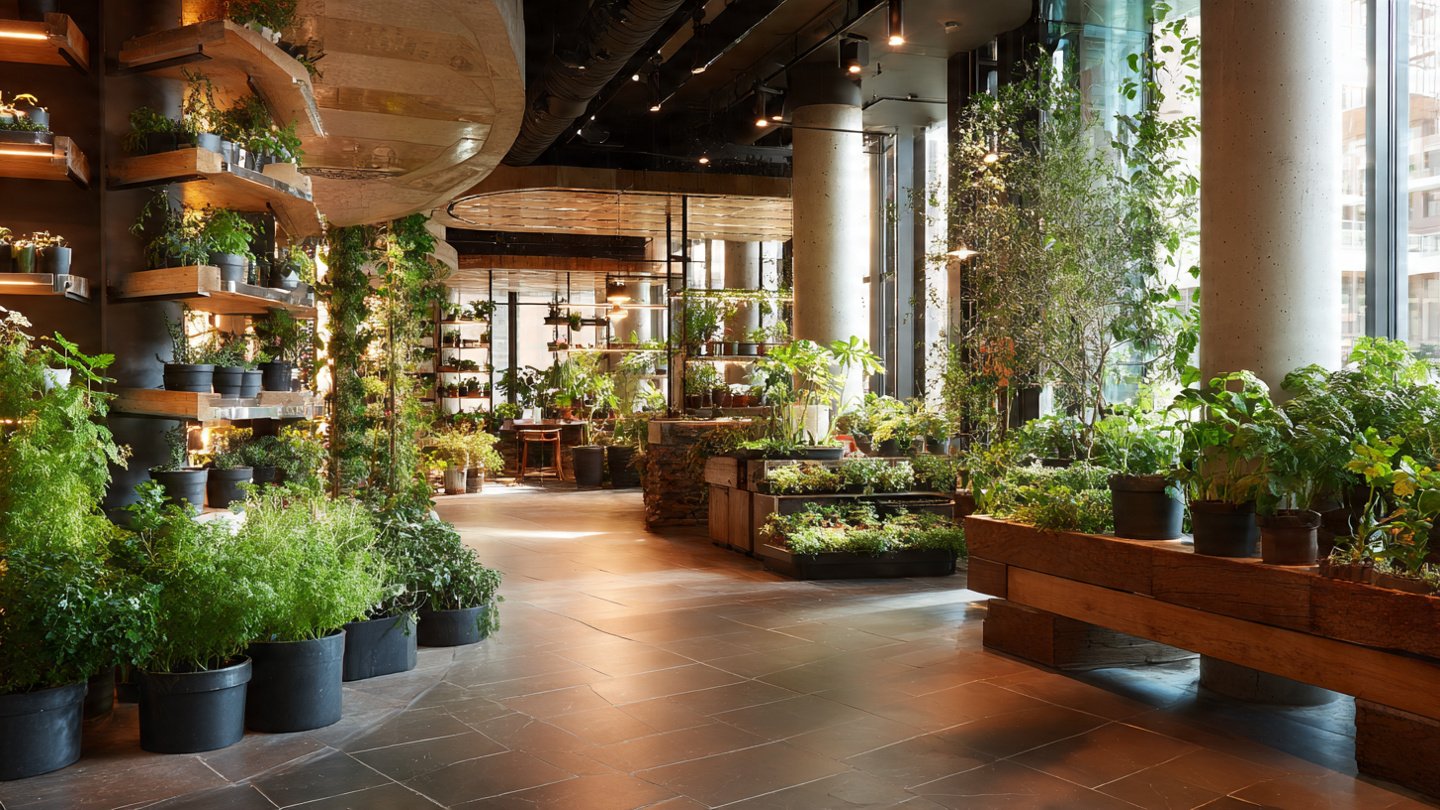
Urban living can often be a double-edged sword. While cities offer convenience, opportunities, and socialization, they can also present challenges like pollution, noise, and a lack of green space. As urban areas become increasingly dense, finding ways to enhance mental health and wellbeing is paramount. One powerful yet often overlooked method is indoor gardening. This article delves into the numerous benefits of indoor gardening, particularly for mental health, and offers insights into how urban dwellers can create their own green sanctuaries.
The Psychology of Nature
Nature’s Influence on Wellbeing
Latest Posts
- How to Use Invisible Wire for a Stunning Climbing Plant Wall
- Are Your Garden Tools Making Your Plants Sick?
- How to Style a Small Studio with Columnar Cacti
- Why Is My Zucchini Shaped Like a Lightbulb?
- How to Protect Your Fruit From Birds Without Nets
- How to Keep Squirrels Away from Your Fruit Trees
- How to Protect Your Fruit from Birds Without Nets
- Why Biochar Is a Game-Changer for Your Kitchen Garden
- Why Some Rare Cacti Bloom Only One Night a Year
- How to Grow Rare Blue Strawberries at Home
Numerous studies have shown that exposure to nature significantly enhances mental wellbeing. Natural settings have a calming effect, reducing stress, anxiety, and depressive symptoms. This phenomenon, often referred to as “biophilia,” suggests that humans have an innate connection to nature and that its presence can profoundly affect our psychological state.
For urban dwellers, access to outdoor green spaces can be limited. Indoor gardening offers a practical solution. By bringing plants indoors, individuals can harness many of the mental health benefits associated with outdoor environments, creating their own little oasis in the midst of urban chaos.
Mindfulness and Presence
Gardening inherently requires mindfulness. Tending to plants demands attention, focus, and care, which can serve as a form of meditation. Engaging in these activities fosters a sense of presence, helping individuals detach from stressors and distractions. The repetitive tasks involved in indoor gardening, such as watering, pruning, and repotting, can promote a meditative state, encouraging deeper relaxation.
Physical Benefits Translate to Mental Benefits

Improved Air Quality
Indoor gardening can enhance air quality by filteringsome toxins and releasing oxygen. Cleaner air can have a direct impact on mood and cognitive function. A healthier environment leads to better sleep, increased energy levels, and overall enhanced mental clarity, contributing positively to one’s mental health.
Productivity and Focus
Research suggests that having plants in workspaces can boost productivity and focus. Studies have found that the presence of greenery can improve cognitive functioning and concentration by as much as 15%. Enhanced performance can lead to a greater sense of satisfaction and accomplishment, further boosting mood and mental wellbeing.
Emotional Benefits of Indoor Gardening
Reduction in Stress and Anxiety
Being around plants has been shown to lower cortisol levels, the hormone associated with stress. Engaging in gardening activities can provide a fulfilling distraction from everyday worries, fostering a sense of accomplishment and purpose. The nurturing aspect of gardening, nurturing and watching something grow, can also evoke positive feelings and a sense of achievement.
Enhancing Mood and Combatting Depression
Indoor gardening can be a therapeutic activity, offering emotional benefits that can enhance mood and combat depression. The routine of caring for plants can establish a sense of responsibility and routine, which is often beneficial for individuals experiencing depressive symptoms. Furthermore, the act of nurturing plants and witnessing their growth can cultivate a sense of hope and positivity.

Connection and Community
Gardening can be a solitary activity, but it can also offer opportunities for connection. Joining a community garden or participating in gardening clubs can enhance social interactions, creating bonds and reducing feelings of isolation. Sharing tips, tools, or plants can foster relationships that enrich both mental health and overall quality of life.
Practical Benefits of Indoor Gardening in Urban Areas
Space Savings
Urban dwellers are often limited by space. Indoor gardening allows individuals to cultivate their green spaces without requiring large outdoor areas. Using vertical gardens, small pots, or hydroponic systems, individuals can maximize their use of small spaces while enjoying the myriad benefits of nurturing plants.
Accessibility to Fresh Produce
Indoor gardening enables residents to grow their fruits and vegetables, even in small apartments. This can lead to healthier eating habits, as homegrown produce tends to be more nutritious and free of harmful chemicals. The act of growing one’s food also can foster a deeper appreciation for nutrition and sustainability, further enhancing mental wellbeing.
Aesthetic Enhancement and Personal Expression
Plants enhance the aesthetic quality of indoor spaces, contributing to a more pleasant living environment. Choosing plants that resonate with individual tastes can allow for personal expression. Decorating one’s space with greenery can create a more inviting atmosphere, which can significantly contribute to overall mental health.

Tips for Starting Indoor Gardening
-
Choose the Right Plants: Beginner-friendly plants like succulents, pothos, and spider plants are low maintenance and resilient. Selecting plants suited to the indoor environment can significantly reduce frustration and increase success.
-
Consider Lighting: Good lighting is crucial for healthy plant growth. Determine if your space offers enough natural light; if not, consider supplementing with grow lights.
-
Invest in Quality Soil: Quality potting soil can make a significant difference in a plant’s health. It provides the necessary nutrients and aids in water retention.
-
Establish a Routine: Regular care and maintenance help plants thrive. Setting reminders for watering, feeding, and checking plant health can create a fulfilling routine.
-
Create a Relaxing Space: Dedicate part of your home to your indoor garden, making it a peaceful place to unwind. Adding seating or decorative elements can enhance the experience.
The Future of Indoor Gardening in Urban Spaces

As urbanization continues to rise, the importance of green spaces—whether indoor or outdoor—becomes increasingly apparent. Communities are recognizing the benefits of incorporating greenery into urban design, leading to innovations like vertical gardens and indoor farms in cities. Additionally, educational initiatives promoting indoor gardening can empower urban dwellers to cultivate their mental health through green practices.
FAQs About Indoor Gardening for Mental Health
1. Can anyone benefit from indoor gardening?
Yes, indoor gardening can benefit anyone. The act of caring for plants can provide therapeutic effects, enhance mood, and foster mindfulness, making it a valuable practice for individuals of all ages.
2. What types of plants are best for indoor gardening?
Beginner-friendly plants include pothos, snake plants, peace lilies, and succulents. These plants are resilient, low-maintenance, and adaptable to various indoor conditions.
3. How much time do I need to dedicate to indoor gardening?

The time commitment varies depending on the type and number of plants. Some require minimal care, while others may need more attention. Generally, dedicating a few minutes a week to watering and maintenance is sufficient.
4. Can indoor gardening improve air quality?
Yes, many indoor plants can help filter toxins and improve indoor air quality, which can positively impact mood and cognitive function.
5. How does indoor gardening relate to mindfulness?
Indoor gardening encourages individuals to be present and focused on the task at hand, fostering mindfulness and helping to reduce stress and anxiety through cultivated awareness.
Conclusion
Indoor gardening is more than just a hobby; it’s a powerful tool for enhancing mental health and wellbeing, especially for those living in urban environments. By bridging the gap between nature and urban living, individuals can cultivate not only plants but also a sense of community, joy, and tranquility in their lives. As cities continue to evolve, embracing indoor gardening can pave the way for healthier, happier, and more connected urban communities. Whether you’re an experienced gardener or a beginner, the journey into indoor gardening offers both challenges and rewards, all contributing to improved mental health in an ever-busy world.