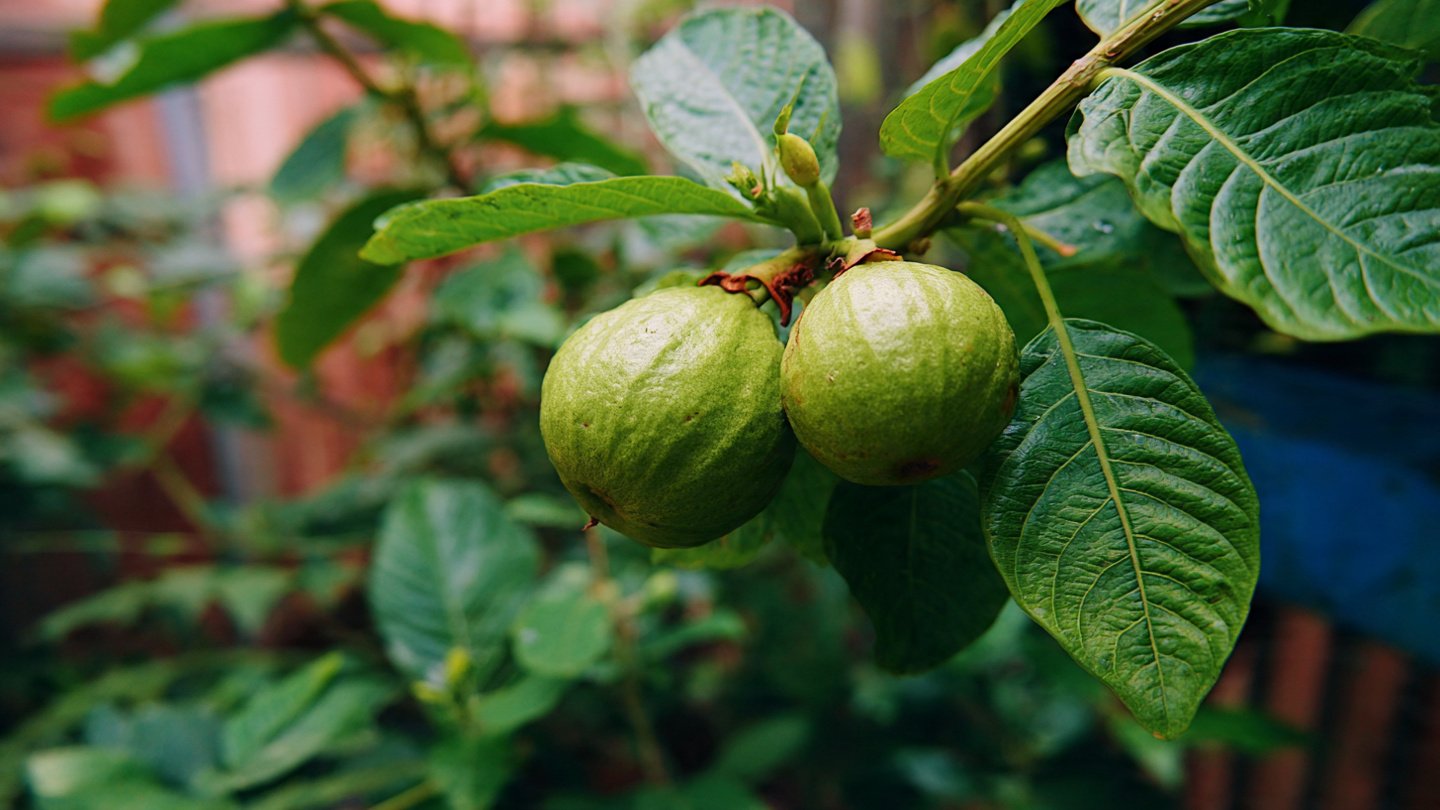
Guava is a tropical fruit that many people adore for its sweet taste, fragrant aroma, and numerous health benefits. Not only is it delicious, but it’s also rich in vitamins, minerals, and antioxidants—making it a fantastic addition to your diet. Growing guava from seed is a rewarding process, and with the right techniques, you can easily cultivate this jewel of a fruit in your backyard. In this article, we will explore the step-by-step process of growing guava from seed and provide answers to some frequently asked questions.
Understanding Guava Varieties
Before diving into the seed-planting process, it’s essential to know that there are various guava varieties, commonly categorized into two groups:
Latest Posts
- How to Use Invisible Wire for a Stunning Climbing Plant Wall
- Are Your Garden Tools Making Your Plants Sick?
- How to Style a Small Studio with Columnar Cacti
- Why Is My Zucchini Shaped Like a Lightbulb?
- How to Protect Your Fruit From Birds Without Nets
- How to Keep Squirrels Away from Your Fruit Trees
- How to Protect Your Fruit from Birds Without Nets
- Why Biochar Is a Game-Changer for Your Kitchen Garden
- Why Some Rare Cacti Bloom Only One Night a Year
- How to Grow Rare Blue Strawberries at Home
- Pineapple Guava (Feijoa sellowiana): This variety has a unique sweet flavor and is great for eating fresh or making desserts.
- Common Guava (Psidium guajava): This type is more widely cultivated and offers high yields. It’s known for its sweet flesh and aromatic skin.
Each variety has its distinct taste and growth requirements, so choose the one that matches your preferences.
Step-by-Step Guide to Grow Guava from Seed
Step 1: Obtaining Seeds
The best way to get guava seeds is from a ripe guava fruit. Choose a healthy, ripe fruit, ideally from an organic source, as non-organic fruits may have been treated with chemicals that can affect seed viability.
- Cut the Fruit: Slice the guava open to expose the seeds.
- Extract the Seeds: Use a spoon to scoop out the seeds. They are often surrounded by a jelly-like substance.
- Wash the Seeds: Rinse the seeds in water to remove the pulp. This is crucial, as leftover fruit can lead to mold and hinder seed germination.

Step 2: Preparing Seeds for Planting
To increase the chances of successful germination, follow these steps:
- Drying: Spread the seeds on a paper towel and let them dry for a day or two. This helps prevent rot during the germination process.
- Scarification: Lightly nick the surface of each seed with a knife or sandpaper. This process, known as scarification, can enhance water absorption and encourage sprouting.
- Soaking: Soak the seeds in water for 24 hours. This softens the seed coat and promotes germination.
Step 3: Choosing the Right Soil
Guava plants thrive in well-draining soil that is rich in organic matter. A mixture of potting soil and compost works well.
- pH Level: Aim for a pH level between 5.5 to 7.0.
- Drainage: Ensure that your pots or planting area has adequate drainage to prevent root rot.
Step 4: Planting the Seeds
- Containers: Use seed trays or small pots. Fill them with the prepared soil mixture.
- Sowing: Plant the seeds about 1 inch deep in the soil. You can plant multiple seeds in one container but ensure they are spaced out.
- Watering: Water the soil gently, ensuring it is moist but not soggy. Overwatering can lead to mold or root rot.
Step 5: Providing Optimal Conditions for Germination
- Temperature: Guava seeds germinate best in warm temperatures, ideally between 70°F to 80°F (21°C to 27°C). Use a heat mat if the ambient temperature is low.
- Light: Place the containers in a location that receives indirect sunlight. Bright light is necessary, but direct sunlight can be too harsh for young seedlings.
- Humidity: Cover the containers with plastic wrap or a clear lid to maintain humidity. Open the cover occasionally to allow airflow.
Step 6: Caring for Seedlings
After a few weeks, you should see the seedlings emerge. Once they have developed their first true leaves, follow these care tips:
- Thinning: If multiple seeds germinate in the same container, thin them out by removing the weaker seedlings to allow the stronger ones to thrive.
- Fertilizing: After a month, fertilize the seedlings with a diluted, balanced fertilizer to encourage healthy growth.
- Transplanting: When the seedlings reach about 4–6 inches in height, it’s time to transplant them into larger pots or your garden bed.

Step 7: Transplanting to the Garden
If you’re growing guava outdoors, choose an area with full sun and well-drained soil.
- Timing: Transplant outdoors in late spring when the risk of frost has passed.
- Spacing: Plant the guava trees at least 10 feet apart, as they can grow quite large.
- Watering: Water the newly planted guavas thoroughly and continue to mulch around the base to conserve moisture.
Step 8: Ongoing Care
- Watering: Guava trees need regular watering, especially during dry spells. But avoid overwatering.
- Pruning: Prune the plants to maintain their shape and improve air circulation. This also encourages new growth and fruit production.
- Pest Management: Keep an eye out for common pests like scale insects or aphids. Natural insecticidal soap can help manage pest populations.
Step 9: Harvesting
Depending on the variety and growing conditions, it can take about 3-4 years for guava trees to start producing fruit. Harvest the fruits when they show a slight give under gentle pressure, indicating they are ripe.
Health Benefits of Guava
Guava is not just tasty; it also packs a punch in terms of health benefits:
- Rich in Vitamin C: Guava contains higher levels of vitamin C than many other fruits, which supports the immune system.
- High in Fiber: This promotes digestive health and helps control blood sugar levels.
- Antioxidants: Guava has a wealth of antioxidants that can help fight inflammation and reduce the risk of chronic diseases.
FAQs
1. How long does it take for guava seeds to germinate?
Guava seeds typically take 2-8 weeks to germinate, depending on the conditions. Warmer temperatures often speed up the process.
2. Can I grow guava in a pot?
Yes, guava trees can be grown in pots. Make sure the pot is large enough (at least 5 gallons) to accommodate the roots and provides good drainage.
3. What climate is best for growing guava?
Guava thrives in tropical and subtropical climates. They prefer temperatures between 70°F and 90°F (21°C and 32°C) and need full sun for optimal growth.
4. How often should I water my guava tree?
Water the guava tree regularly to keep the soil moist but not soggy. Generally, once a week is sufficient, but adjust frequency based on weather conditions.
5. Do guava trees require a lot of maintenance?
Once established, guava trees require moderate care, including regular watering, occasional fertilizing, and monitoring for pests. They are relatively low-maintenance compared to other fruit trees.
6. Can I grow guava from store-bought fruit?
Yes, store-bought guava can be used for seed extraction. Ensure you choose a fully ripe fruit for the best-quality seeds.
7. What diseases should I be aware of when growing guava?
Common diseases include root rot, leaf spots, and blights. Good watering practices and proper airflow can help prevent these issues.
Conclusion
Growing guava from seed can be an entertaining and fruitful endeavor. With patience and care, you’ll soon enjoy the sweet rewards of your efforts. Whether you’re making smoothies, treats, or just enjoying them fresh, home-grown guavas can elevate your culinary adventures. Happy gardening!