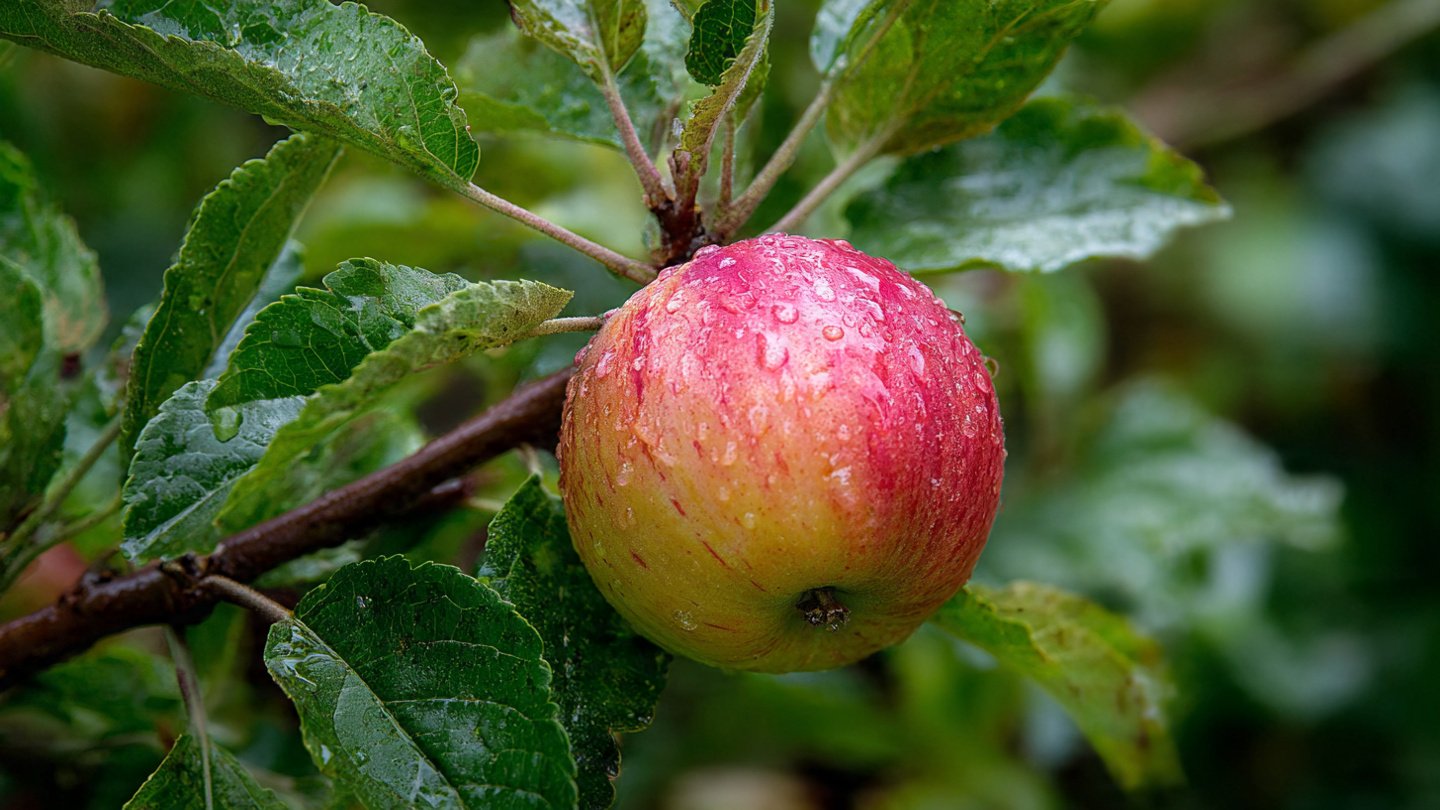
Growing an apple tree at home can be a rewarding experience, yielding delicious fruits and enhancing your garden’s beauty. This guide will take you step-by-step through the process, making it easy for even beginners to succeed.
Why Grow an Apple Tree?
Before we dive into the specifics, let’s consider why you might want to grow an apple tree:
Latest Posts
- How to Use Invisible Wire for a Stunning Climbing Plant Wall
- Are Your Garden Tools Making Your Plants Sick?
- How to Style a Small Studio with Columnar Cacti
- Why Is My Zucchini Shaped Like a Lightbulb?
- How to Protect Your Fruit From Birds Without Nets
- How to Keep Squirrels Away from Your Fruit Trees
- How to Protect Your Fruit from Birds Without Nets
- Why Biochar Is a Game-Changer for Your Kitchen Garden
- Why Some Rare Cacti Bloom Only One Night a Year
- How to Grow Rare Blue Strawberries at Home
- Fresh Fruits at Your Doorstep: Nothing beats the taste of a freshly picked apple.
- Beauty and Shade: Apple trees are aesthetically pleasing, providing shade and greenery.
- Learning Opportunity: Caring for a tree can spark an interest in gardening and horticulture.
- Environmental Benefits: Trees contribute to carbon sequestration, reducing your carbon footprint.
Choosing the Right Apple Tree Variety
Types of Apple Trees
There are many varieties of apple trees, and choosing the right one is crucial for success. Here are some of the most common types:
- Standard Apple Trees: Can grow up to 30 feet tall but take longer to bear fruit.
- Dwarf Apple Trees: Grow to about 6-8 feet, making them perfect for small spaces and easier to harvest.
- Semi-Dwarf Apple Trees: These reach about 10-15 feet in height, balancing space and productivity.

Choosing Varieties
When selecting a variety, consider the following:
- Climate: Choose a variety suited to your local climate. Check the hardiness zone.
- Pollination Needs: Many apple trees require cross-pollination, so consider planting more than one variety.
- Taste: Determine what type of apples you prefer—sweet, tangy, or tart.
Where to Plant Your Apple Tree
Selecting the Right Location
Location plays a significant role in the growth of an apple tree. Here are some factors to consider:
- Sunlight: Apple trees thrive in full sunlight, requiring at least 6-8 hours of direct sun each day.
- Soil Drainage: Choose a location with well-draining soil to prevent root rot.
- Space: Ensure there is enough space for the tree to grow. Dwarf varieties can be planted closer together, while standard trees need ample space to spread.
Preparing the Soil
Before planting, take the time to prepare the soil:
- Testing Soil pH: Apple trees prefer slightly acidic to neutral soil (pH 6.0 to 7.0).
- Amending Soil: If necessary, amend the soil with compost or aged manure to improve nutrient content and drainage.
Planting Your Apple Tree
Best Time to Plant
The best times to plant apple trees are:
- Spring: After the last frost when the soil has warmed.
- Fall: About 6 weeks before the first frost.
Planting Steps
- Digging the Hole: Dig a hole about twice the size of the root ball.
- Placing the Tree: Position the tree in the center of the hole, ensuring the graft union (where the tree variety meets the rootstock) is above ground.
- Backfilling: Fill the hole with soil, gently packing it to eliminate air pockets.
- Watering: Water thoroughly after planting to help the roots settle.
Caring for Your Apple Tree
Watering
- Frequency: Newly planted trees require more frequent watering (once a week) until established. Mature trees need watering during dry spells.
- Method: Water deeply to encourage root growth, avoiding water on the leaves to prevent fungal diseases.

Fertilization
- Timing: Fertilize in early spring and possibly again in mid-summer.
- Type: Use a balanced fertilizer or one specifically formulated for fruit trees.
Pruning
- When to Prune: Prune during late winter or early spring while the tree is still dormant.
- How to Prune: Remove any dead or crossing branches to allow sunlight in and encourage airflow. Aim to create an open center for better fruit production.
Pest and Disease Management
Watch for common pests like apple maggots, aphids, and codling moths. Preventative measures include:
- Neem Oil: Use this natural pesticide when you spot the first signs of pests.
- Companion Planting: Planting marigolds or garlic nearby can help deter pests.
Common diseases, such as apple scab or powdery mildew, can be managed with proper air circulation and also through organic fungicides if necessary.
Harvesting
- When to Harvest: Apples are typically ready for harvest in late summer to early fall. Check for firmness and color; apples should be fully colored and easy to pull from the branch.
- How to Harvest: Twist gently to avoid damaging the tree.
FAQs
1. How long does it take for an apple tree to bear fruit?
Most apple trees will start producing fruit in 3 to 5 years if they’re properly cared for.
2. Can I grow an apple tree in a pot?
Yes, dwarf varieties are particularly suitable for container growth. Ensure the pot is large enough (at least 10-15 gallons), and use a good potting mix.
3. Can apple trees grow in shaded areas?
Apple trees prefer full sun. While they may survive in partial shade, their fruit production may be significantly reduced.
4. Do I need more than one apple tree to produce fruit?
Yes, most apple tree varieties require cross-pollination to produce fruit effectively. Planting two or more compatible varieties will yield better results.
5. What is the best type of apple tree for beginner gardeners?
Dwarf apple trees are often recommended for beginners due to their smaller size, ease of care, and quicker time to fruiting.
6. How do I know if my apple tree is unhealthy?
Signs of an unhealthy apple tree include yellowing leaves, wilting, stunted growth, and abnormal fruit development. Regularly monitor for pests and diseases.
7. What should I do in winter to protect my apple tree?
Mulch around the base to protect the roots, and consider wrapping the trunk with burlap to prevent damage from frost or rodents.
8. Are apple trees self-pollinating?
Some varieties are self-pollinating, but many require cross-pollination with another apple variety for optimal fruit production.
Conclusion
Growing an apple tree at home is an attainable goal for beginners. By following the outlined steps—from selecting the right variety and location to caring for your tree—you can enjoy the satisfying experience of growing your own apples. With patience and care, your tree will flourish, providing you with sweet rewards for years to come.
Final Thoughts
Your home garden can become a sanctuary, filled not just with ornamental plants, but also with the fruits of your labor. Growing an apple tree is not only beneficial for you but also contributes positively to your environment. So grab your gardening tools and start your apple tree journey today!