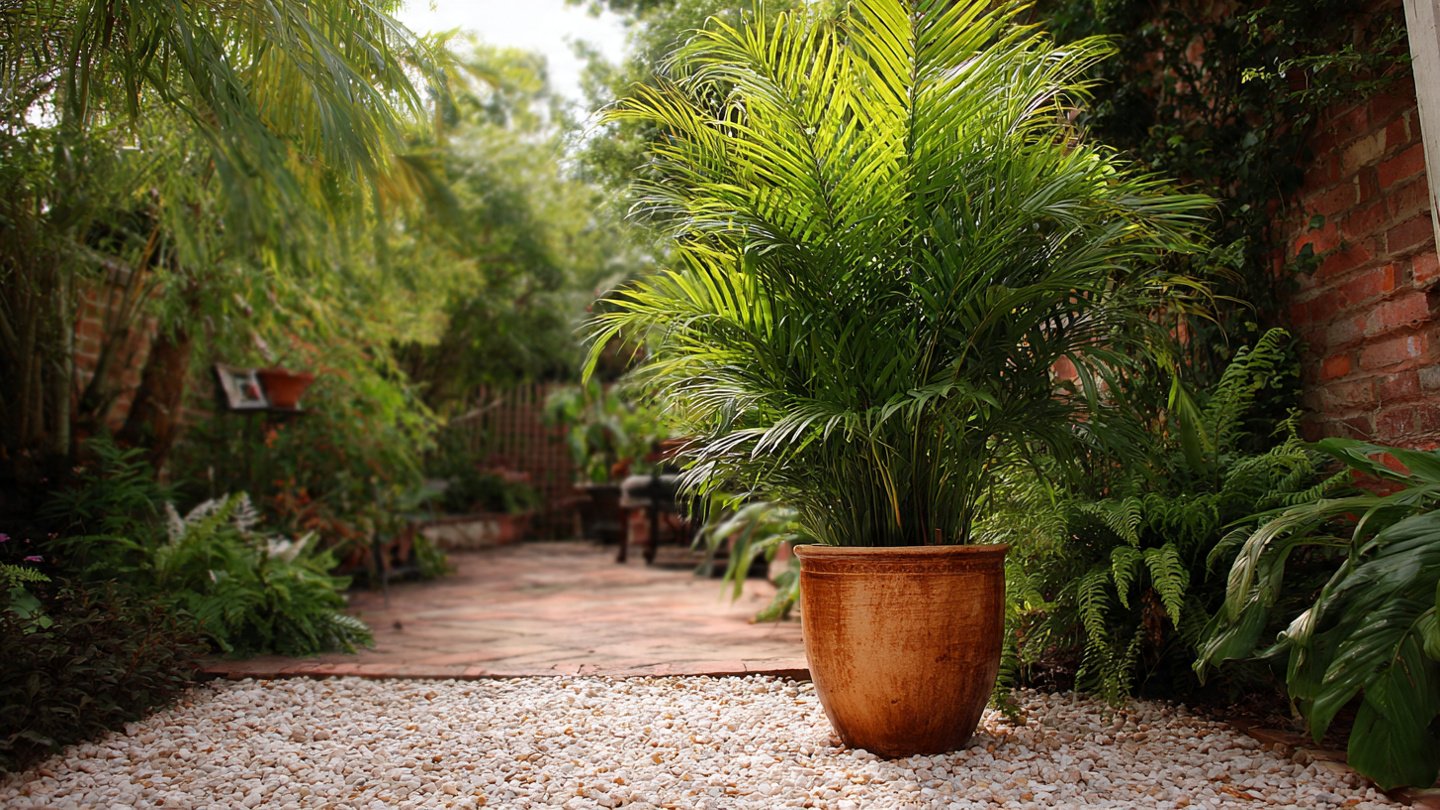
Areca palm (Dypsis lutescens), commonly known as butterfly palm, is a popular plant choice that can add an exotic flair to any garden or home interior. This attractive, feathery palm is prized not only for its lush foliage but also for its air-purifying qualities. Whether you’re an experienced gardener or just starting out, growing an Areca palm can enhance the beauty of your space. In this guide, we’ll cover everything you need to know about growing and caring for Areca palms, alongside some styling tips and FAQs.
1. Understanding Areca Palm
1.1 Characteristics
Latest Posts
- How to Use Invisible Wire for a Stunning Climbing Plant Wall
- Are Your Garden Tools Making Your Plants Sick?
- How to Style a Small Studio with Columnar Cacti
- Why Is My Zucchini Shaped Like a Lightbulb?
- How to Protect Your Fruit From Birds Without Nets
- How to Keep Squirrels Away from Your Fruit Trees
- How to Protect Your Fruit from Birds Without Nets
- Why Biochar Is a Game-Changer for Your Kitchen Garden
- Why Some Rare Cacti Bloom Only One Night a Year
- How to Grow Rare Blue Strawberries at Home
The Areca palm is a clumping palm that can grow between 6 to 10 feet tall. Its tall, slender stems are adorned with arching fronds, which make it a stunning focal point in gardens and interiors. Areca palms thrive in well-drained soils and require a good amount of light, making them suitable for both outdoor and indoor settings.
1.2 Native Environment
Originating from Madagascar, the Areca palm enjoys tropical and subtropical climates. Understanding its native environment can help you replicate the right conditions for growth.
2. Choosing the Right Location
2.1 For Outdoor Growth
When planting Areca palms outdoors, select a location that receives partial to full sunlight. They grow well in USDA hardiness zones 10 to 11, making them ideal for warmer climates. Avoid overly windy areas as strong gusts can damage their fronds.
2.2 For Indoor Growth
For indoor growth, place your Areca palm near a window that receives bright indirect light. If natural light is limited, consider using grow lights to provide the necessary luminosity.
3. Soil Requirements

Areca palms prefer well-draining soil that is rich in organic matter. A mixture of potting soil, peat, and perlite works wonderfully. Ensure that the pot has drainage holes to prevent waterlogging, which can lead to root rot.
4. Planting Areca Palm
4.1 When to Plant
The best time to plant your Areca palm is in the spring when the risk of frost has passed. This allows the plant to establish roots during the growing season.
4.2 How to Plant
-
Choose a Pot or Planting Area: If planting indoors, choose a pot that is 2-3 inches larger in diameter than the nursery pot. For outdoor planting, dig a hole double the width of the root ball.
-
Prepare the Soil: Amend the soil with compost to provide nutrients.
-
Position the Palm: Place the Areca palm in the hole or pot, ensuring that the top of the root ball is level with the soil surface.
-
Fill with Soil: Backfill the hole with the amended soil, pressing down gently to remove air pockets.
-
Water Thoroughly: After planting, water the palm generously to help settle the soil.

5. Watering
5.1 Frequency
Areca palms prefer consistently moist soil but do not tolerate soggy conditions. Water your palm when the top inch of soil feels dry. Generally, this may require watering every week, but this can vary based on climate and season.
5.2 How to Water
Water the plant deeply to encourage strong root development, and ensure excess water can escape through the drainage holes.
6. Fertilization
6.1 Type of Fertilizer
Fertilize your Areca palm with a balanced, slow-release fertilizer every 2-3 months during the growing season (spring and summer). Look for a fertilizer specifically formulated for palms, or use a general-purpose fertilizer with a balanced ratio of nitrogen, phosphorus, and potassium.
6.2 Application
Follow the manufacturer’s instructions for the quantity to use based on the size of your plant. Disperse the fertilizer evenly around the plant’s base and water it in to activate the nutrients.
7. Pruning
Pruning is essential for maintaining the health and appearance of your Areca palm. Remove any yellow or brown fronds at the base to promote new growth and improve the plant’s overall structure. Use clean, sharp scissors or pruning shears to avoid infecting the plant.
8. Pest and Disease Control

8.1 Common Pests
Watch for pests such as spider mites, aphids, and mealybugs. If you notice pests, treat them with insecticidal soap or neem oil spray.
8.2 Preventative Measures
To prevent pests and diseases, ensure good air circulation around the plant by avoiding overcrowding and maintaining proper humidity levels.
9. Styling Your Space with Areca Palm
Areca palms can enhance both indoor and outdoor aesthetics. Use them as single statement plants or plant them in clusters for a tropical look. Some styling tips include:
-
Indoor Spaces: Use Areca palms in bright living rooms, hallways, or entryways. They look stunning in decorative pots that complement your décor.
-
Outdoor Gardens: Pair Areca palms with colorful flowers or low-growing shrubs for a dramatic effect. They can serve as excellent natural dividers or as part of a tropical-themed garden.
10. Overwintering Areca Palm
If you live in a cooler climate, consider bringing your Areca palm indoors during the fall and winter months. Gradually acclimate it to indoor conditions by moving it to a slightly warmer area for a few days before bringing it inside.
11. Common Problems and Solutions

-
Yellowing Leaves: This could indicate overwatering or nutrient deficiency. Adjust your watering schedule and consider fertilizing.
-
Brown Tips on Leaves: This is often due to low humidity or underwatering. Increase humidity around the plant or adjust your watering routine.
-
Stunted Growth: Poor soil quality or insufficient light can cause this. Reevaluate your potting mix and ensure your plant is receiving adequate light.
FAQs
1. How fast does Areca palm grow?
Areca palms are known for their relatively swift growth, typically growing 1 to 2 feet per year under ideal conditions.
2. Is Areca palm toxic to pets?
No, Areca palms are non-toxic to pets, making them a safe choice for homes with cats or dogs.
3. Can Areca palms grow in low light?
While Areca palms prefer bright indirect light, they can tolerate lower light conditions, though their growth may slow down.
4. Do Areca palms need a lot of humidity?

Areca palms thrive in humid environments. If your indoor air is dry, consider using a humidifier or misting the plant occasionally.
5. Can I propagate Areca palms?
Propagation is generally done through division of clumps. This is best done during the spring when the plant is actively growing.
6. How can I improve the drainage for my Areca palm?
Ensure your pot has adequate drainage holes and consider adding materials like perlite or sand to your soil mix to improve drainage.
7. How often should I repot my Areca palm?
Repotting every 2-3 years is advisable, especially if the root system has outgrown its current pot.
Conclusion
Growing an Areca palm is a rewarding endeavor that can significantly enhance your garden or indoor space. With the proper care, your palm will flourish, bringing life and elegance to your environment. Remember to consider its light, water, and soil needs to ensure a healthy and thriving plant. By following this easy guide, you’ll be well on your way to creating a stunning garden decor with the grace of Areca palms. Happy gardening!