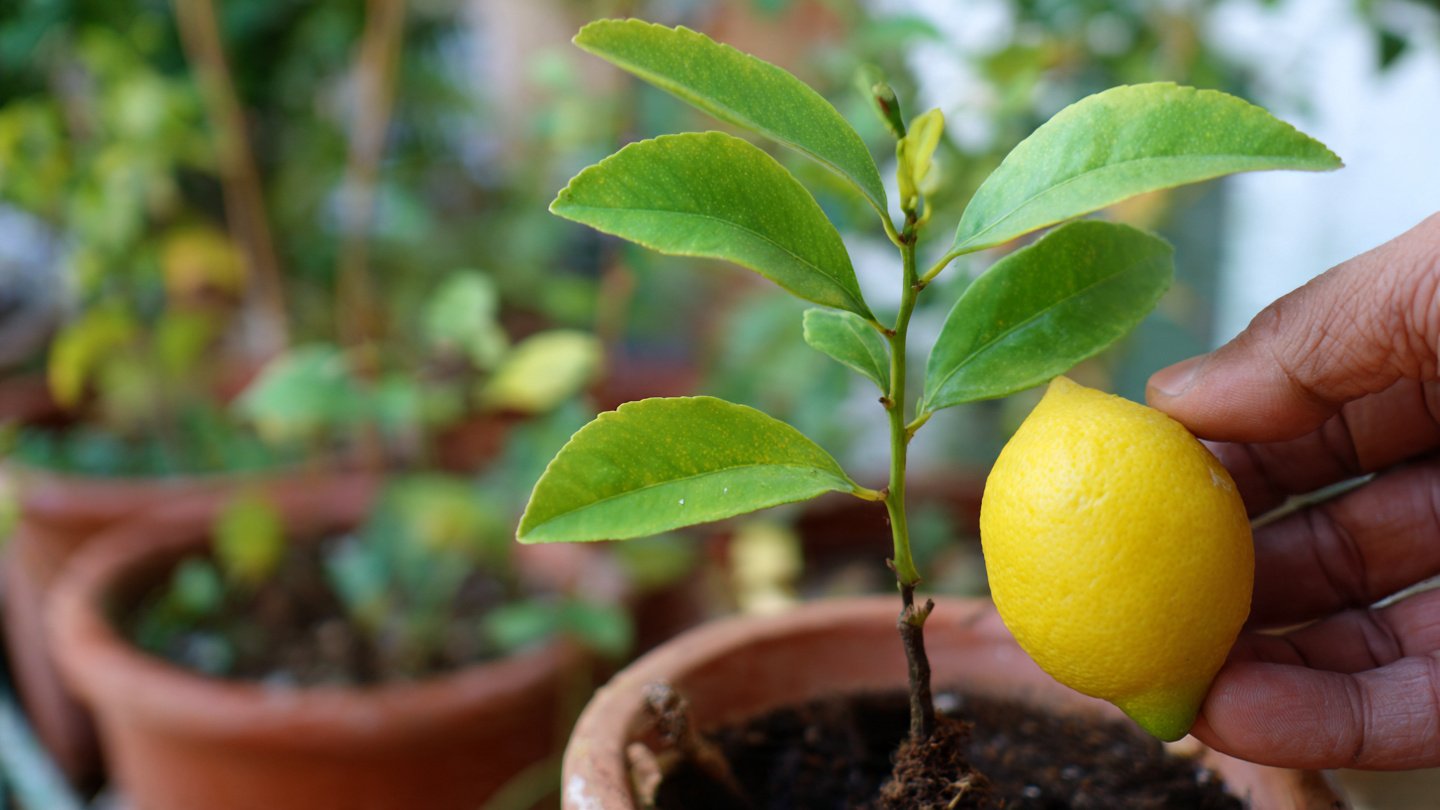
Growing a lemon tree from cuttings is an exciting and rewarding gardening project. Not only does it allow you to cultivate your own lemons, but it also provides a chance to propagate a plant you love. Rooting lemon cuttings at home can be an easy process when done correctly. In this article, we will explore the simple method to root lemon cuttings, the materials you’ll need, step-by-step instructions, and tips for success. We’ll also address some frequently asked questions at the end.
Why Propagate Lemon Trees?
Lemon trees (Citrus limon) are beloved for their bright yellow fruit and fragrant blossoms. They can be grown in pots or directly in the ground, depending on your climate. One of the best ways to expand your lemon tree collection is through propagation. Here’s why you might consider it:
- Genetic Consistency: When you take cuttings from a mature tree, you ensure that the new plants will carry the same genetic traits, including fruit quality and disease resistance.
- Cost-Effective: Propagating your own lemon trees can save money compared to purchasing young trees from a nursery.
- Enjoyable Hobby: Gardening is a therapeutic activity that can enhance your connection with nature and provide a sense of accomplishment.
Materials Needed
Before we delve into the step-by-step process, let’s gather the necessary materials:

- Healthy Lemon Tree: Select a healthy tree that is at least 2-3 years old.
- Pruning Shears: Sharp and clean shears will prevent damage and reduce the risk of infection.
- Potting Mix: A well-draining potting mix, preferably one designed for propagation or seed starting.
- Pots or Containers: Small pots (4-6 inches in diameter) for planting your cuttings.
- Plastic Bags or Cling Film: To create a humid environment for the cuttings.
- Rooting Hormone (Optional): This can promote root growth but is not strictly necessary.
Step-by-Step Instructions
Now let’s walk through the process for rooting lemon cuttings:
Step 1: Selecting Cuttings
- Timing: The best time to take cuttings is during the spring or early summer when the plant is actively growing.
- Choose the Right Stem: Look for semi-woody stems that are about 4-6 inches long. These should be healthy, with several leaves, not too green (which indicates new growth) nor too woody.
Step 2: Preparing the Cuttings
- Cut the Stems: Using clean pruning shears, cut just below a leaf node. This is where the new roots will emerge.
- Remove Excess Leaves: Trim the cutting so that there are only 2-3 leaves remaining. This reduces moisture loss and allows the cutting to focus on root development.
- Apply Rooting Hormone: If you choose to use rooting hormone, dip the cut end of the stem into the powder or gel and gently tap off the excess.
Step 3: Planting the Cuttings
- Prepare the Pot: Fill your small pot with the well-draining potting mix. Leave about an inch of space at the top.
- Plant the Cuttings: Make a hole in the mix with your finger or a pencil and gently insert the cut end of the stem into the soil. Firm the soil around the base to eliminate air pockets.
- Water Thoroughly: Water the cuttings gently but thoroughly, ensuring the potting mix is evenly moist but not soggy.
Step 4: Creating a Humid Environment
- Cover the Pot: Place a plastic bag or cling film over the pot to create a mini-greenhouse effect. Ensure the bag doesn’t touch the leaves, as this can cause rot.
- Secure the Plastic: If using a bag, secure it around the pot’s rim with a rubber band. Make sure to leave a small opening for air circulation.
Step 5: Providing Suitable Conditions
- Light: Place the pot in a bright location but out of direct sunlight, which can scorch the leaves. A warm, well-lit area like a windowsill is ideal.
- Temperature: Lemon cuttings prefer a temperature between 65°F and 75°F (18°C to 24°C) to encourage root development.
Step 6: Monitoring Growth
- Watering: Check the moisture level of the soil regularly; water when the top inch feels dry. Avoid overwatering, as this can lead to rot.
- Checking for Roots: After about 4-6 weeks, gently tug on the cuttings. If you feel resistance, roots are developing.
Step 7: Transplanting
Once your cuttings have established roots (around 2-3 inches long), it’s time to transplant them:
Latest Posts
- How to Use Invisible Wire for a Stunning Climbing Plant Wall
- Are Your Garden Tools Making Your Plants Sick?
- How to Style a Small Studio with Columnar Cacti
- Why Is My Zucchini Shaped Like a Lightbulb?
- How to Protect Your Fruit From Birds Without Nets
- How to Keep Squirrels Away from Your Fruit Trees
- How to Protect Your Fruit from Birds Without Nets
- Why Biochar Is a Game-Changer for Your Kitchen Garden
- Why Some Rare Cacti Bloom Only One Night a Year
- How to Grow Rare Blue Strawberries at Home
- Prepare Larger Pots: Select pots that are at least 6-8 inches in diameter, and fill them with well-draining potting mix.
- Transplant Carefully: Gently remove the rooted cutting from the smaller pot by turning it upside down and gently tapping the pot. Be careful not to damage the roots.
- Plant in New Pots: Plant the rooted cutting in the new pot, filling in around the roots with potting mix. Water thoroughly.
- Gradual Acclimatization: If you plan to move your lemon trees outdoors eventually, acclimatize them by gradually introducing them to outdoor conditions over a week.
Tips for Success
- Be Patient: Rooting can take time, so don’t rush the process. Some cuttings may take longer than others.
- Prevent Disease: Make sure the tools used are sterilized to minimize the risk of disease.
- Fertilizing: Once your cuttings are established and begin to grow, consider using a diluted, balanced fertilizer to provide nutrients.
- Track Progress: Keep a journal of your successes and failures to improve your technique over time.
FAQs
1. How long does it take for lemon cuttings to root?
Rooting can typically take anywhere from 4-8 weeks, depending on environmental conditions and care.

2. Can I propagate lemon cuttings in water?
While it’s possible to root lemon cuttings in water, using soil is generally more successful. However, if you prefer water propagation, ensure the cuttings do not rot by changing the water regularly.
3. Do I need rooting hormone for lemon cuttings?
Rooting hormone is optional; many gardeners have success without it. However, using it can enhance root development.
4. What if my cuttings start to turn yellow or droop?
Yellowing or drooping can be a sign of overwatering or underwatering. Check the soil moisture; it should be moist but not soggy. Adjust your watering routine accordingly.

5. Can I grow a lemon tree indoors?
Yes, lemon trees can thrive indoors with sufficient light. Consider using grow lights if sunlight is insufficient. Ensure the tree has good drainage to prevent root rot.
6. When can I expect my cutting to bear fruit?
Lemon trees grown from cuttings can take several years (typically 3-5 years) to bear fruit, depending on the care and growing conditions.
7. What varieties of lemons are best for propagation?
Popular varieties include ‘Eureka,’ ‘Lisbon,’ and ‘Meyer’ lemons, each with unique traits. Meyer lemons are especially favored for their sweet, less acidic flavor and hardiness.

By following these steps, you can propagate lemon cuttings successfully at home. Enjoy the rewarding process of nurturing your lemon tree from a simple cutting to a fruitful plant, enriching your garden and kitchen for years to come!