Can You Grow a Bushy Curry Leaf Plant? Discover the Best Method!
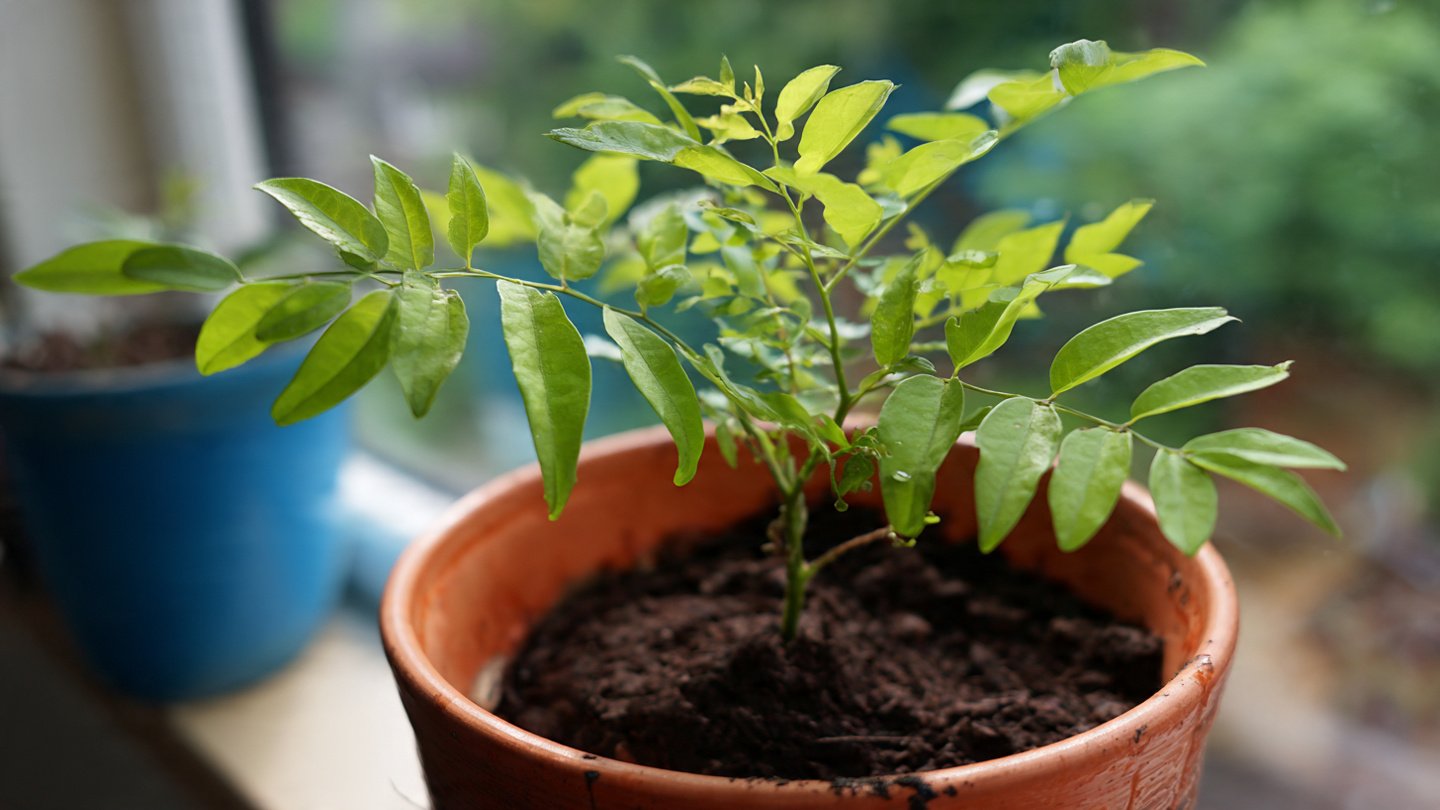
Growing a bushy curry leaf plant (Murraya koenigii) can be a rewarding endeavor for both culinary enthusiasts and gardening aficionados. This aromatic herb, native to India, is essential in various Southeast Asian cuisines, especially Indian cooking. Not only does it enhance the flavor of dishes, but it also has numerous health benefits. In this comprehensive guide, we will explore how to successfully grow a bushy curry leaf plant, covering essential aspects such as soil, water, light, pruning, propagation, and pest management.
Understanding the Curry Leaf Plant
Before diving into the cultivation methods, it’s important to understand the nature of the curry leaf plant. This evergreen shrub can grow up to 4 to 6 feet tall in its native habitat, but it can also be managed as a smaller, bushier plant in home gardens or containers. The plant features elongated, glossy green leaves that emit a distinct aroma, especially when crushed. These leaves are rich in vitamins and minerals, making them not only a culinary delight but also a nutritious addition to any diet.
Latest Posts
- How to Use Invisible Wire for a Stunning Climbing Plant Wall
- Are Your Garden Tools Making Your Plants Sick?
- How to Style a Small Studio with Columnar Cacti
- Why Is My Zucchini Shaped Like a Lightbulb?
- How to Protect Your Fruit From Birds Without Nets
- How to Keep Squirrels Away from Your Fruit Trees
- How to Protect Your Fruit from Birds Without Nets
- Why Biochar Is a Game-Changer for Your Kitchen Garden
- Why Some Rare Cacti Bloom Only One Night a Year
- How to Grow Rare Blue Strawberries at Home
Ideal Growing Conditions
To grow a bushy curry leaf plant, the right environmental conditions are crucial. Here are some key factors to consider:
1. Climate
Curry leaf plants thrive in warm climates, ideally in USDA hardiness zones 9 to 11. They prefer temperatures between 70°F to 90°F (21°C to 32°C). If you live in a cooler region, consider growing the plant in a pot so you can bring it indoors during colder months.
2. Soil

Soil quality significantly impacts plant health. A well-draining, loamy soil enriched with organic matter is the best choice. You can use a mix of potting soil and perlite or sand to ensure adequate drainage. The pH level should be between 6.0 and 7.0 for optimal growth.
3. Light
Curry leaf plants love sunlight. They require at least 6 to 8 hours of direct sunlight each day. If you’re growing the plant indoors, position it near a south-facing window, or consider using grow lights to supplement natural light.
4. Watering
While curry leaf plants are drought-resistant once established, consistent watering is essential during their early growth stages. Water the plant when the top inch of the soil feels dry, ensuring not to overwater, as this can lead to root rot.
Growing Methodology
Now that you are aware of the ideal conditions, let’s delve into the step-by-step process of growing a bushy curry leaf plant.
Step 1: Seed Selection or Cutting
You can propagate curry leaf plants from seeds or cuttings. Seeds can be obtained from a store or mature plants. If using seeds, soak them in water for about 24 hours before planting to enhance germination rates. If you’re opting for cuttings, select healthy, semi-hardwood shoots from an established plant.

Step 2: Planting
For seeds:
- Prepare small pots with a well-draining soil mix.
- Plant seeds about 1/2 inch deep.
- Water lightly and place in a warm, sunny location.
For cuttings:
- Cut a 6-inch section from a mature plant, ensuring it has a few leaves.
- Dip the cut end in rooting hormone (optional but recommended).
- Plant it in a pot filled with a soil mix.
- Water thoroughly and cover with a plastic bag or a mini greenhouse setup to maintain humidity until roots form.

Step 3: Transplanting
Once the seedlings or cuttings develop a few sets of true leaves (about 4 to 6 weeks), they can be transplanted into larger pots or directly into the garden. When transplanting, ensure to space the plants about 2 to 3 feet apart to promote bushiness and airflow.
Maintaining a Bushy Growth
To encourage a bushy curry leaf plant, regular maintenance is essential. Here are some tips to achieve that desired fullness:
1. Pruning
Regular pruning is one of the best ways to promote bushiness. Start pruning when the plant reaches about 12 inches in height. Trim the top 2 to 4 inches off the main stem, which will encourage lateral growth. Continue to prune regularly, especially during the growing season (spring and summer), to promote dense foliage.
2. Fertilizing
Using a balanced fertilizer every 4 to 6 weeks during the growing season can enhance growth. Look for fertilizers high in potassium and phosphorus, which promote fruit and foliage development. Organic options like compost or fish emulsion are also beneficial.
3. Water and Drainage
Ensure proper watering and drainage practices. While consistency is key, be cautious of overwatering. Adequate drainage holes in pots, or raised beds for garden planting, are crucial to avoid root rot.
Common Problems and Solutions
Despite its hardiness, the curry leaf plant can face challenges. Here are some problems you may encounter and how to resolve them:
1. Pests
Common pests like aphids, whiteflies, and spider mites can affect the plant. Regularly inspect your plant for signs of infestation. Insecticidal soap or neem oil can be effective organic solutions.
2. Diseases
Overwatering can lead to root rot, while poor air circulation can cause fungal issues. Ensure to water only when necessary and provide ample space between plants.
3. Environmental Stress
If your plant’s leaves are turning yellow or dropping, it may be a sign of stress from overwatering, lack of sunlight, or nutrient deficiency. Adjust your care routine accordingly.
Harvesting and Culinary Uses
Once your curry leaf plant is well-established, you can start harvesting leaves. It’s best to pick the leaves in the morning for the freshest aroma and flavor. You can use curry leaves in various dishes, such as curries, dals, and even in tempering dishes for extra flavor.
Conclusion
Growing a bushy curry leaf plant is entirely feasible with the right approach. By providing ideal growing conditions, maintaining regular care routines, and employing strategic pruning, you can cultivate a lush, aromatic plant that enhances your culinary creations. Whether you’re a novice gardener or an experienced horticulturist, the curry leaf plant can be a delightful addition to your home or garden. Embrace the journey, and you’ll find that the rewards are well worth the effort. Happy gardening!