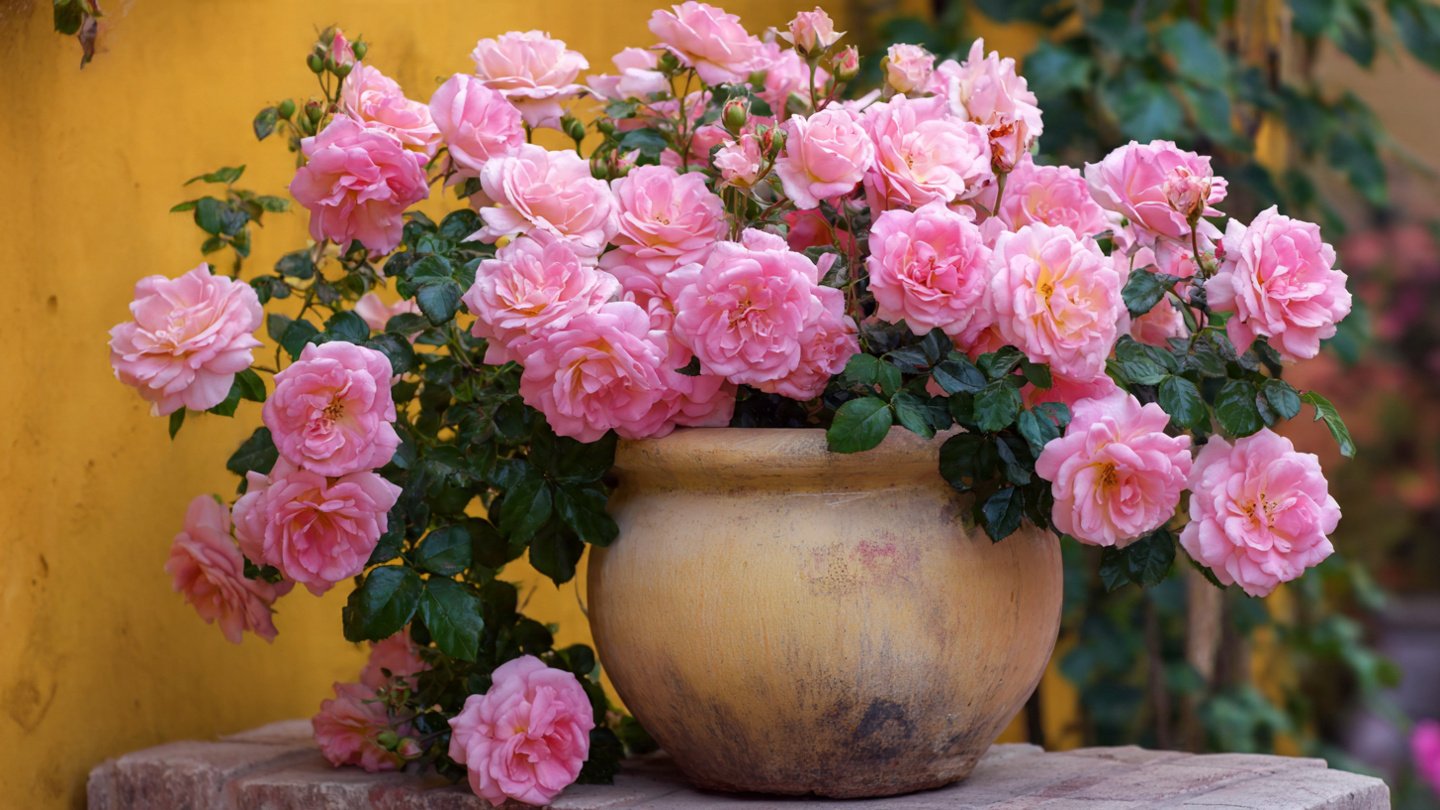
Growing roses in pots can be one of the most rewarding gardening experiences. Whether you’re an urban gardener with limited space or someone who simply loves the idea of having beautiful blooms right on their patio or balcony, container gardening is an excellent option. This comprehensive guide will provide you with the best methods to grow beautiful roses in pot container gardening, tailored specifically for beginners.
1. Understanding Container Gardening for Roses
Container gardening offers flexibility, allowing you to arrange your plants beautifully and maintain control over their environment. Roses in pots can thrive, provided they receive the right care. Understanding your roses’ needs is the first step in ensuring a flourishing garden.
Latest Posts
- How to Use Invisible Wire for a Stunning Climbing Plant Wall
- Are Your Garden Tools Making Your Plants Sick?
- How to Style a Small Studio with Columnar Cacti
- Why Is My Zucchini Shaped Like a Lightbulb?
- How to Protect Your Fruit From Birds Without Nets
- How to Keep Squirrels Away from Your Fruit Trees
- How to Protect Your Fruit from Birds Without Nets
- Why Biochar Is a Game-Changer for Your Kitchen Garden
- Why Some Rare Cacti Bloom Only One Night a Year
- How to Grow Rare Blue Strawberries at Home
Benefits of Container Gardening:
- Mobility: Adjust the placement based on sunlight or aesthetics.
- Control: Manage soil quality and moisture levels better.
- Space Efficiency: Perfect for small gardens or balconies.
2. Choosing the Right Pots
The success of your rose-growing endeavor starts with selecting the appropriate pot. Here are some key considerations:
Size
- Container Size: Choose pots that have a minimum diameter of 12 to 14 inches for small roses (like Miniatures) and 18 to 24 inches for larger varieties. A larger pot helps retain moisture and provides ample room for root growth.
Material
- Terracotta, Ceramic, or Plastic: Each has its advantages. Terracotta is breathable but may dry out quickly. Plastic retains moisture best. Choose based on your climate needs.
Drainage
- Drainage Holes: Ensure your pots have adequate drainage holes to prevent waterlogging, which can lead to root rot.

3. Selecting the Right Rose Varieties
Given the vast variety of roses available, it’s critical to choose the right type for container gardening. Here are some beginners-friendly varieties that thrive in pots:
Top Rose Varieties for Pots:
- Miniature Roses: Small and compact, ideal for small spaces.
- Climbing Roses: Can be trained to grow upward on supports if space permits.
- Floribunda Roses: Bloom frequently and are good for color and fragrance.
- Patio Roses: Designed specifically for container gardening, they are compact and prolific bloomers.
4. Soil and Fertilization
The success of your roses also heavily relies on the soil you use. Here’s how to pick the right one:
Soil Composition
- Well-Draining Soil: Use a high-quality potting mix designed for flowering plants, enriched with organic matter.
- pH Level: Roses prefer slightly acidic soil (pH 6.0-6.8). Test your soil if possible.
Fertilization
- Timing: Begin fertilizing in early spring when the rose begins to grow. Feed every 4-6 weeks during the growing season.
- Type of Fertilizer: Use a balanced, slow-release fertilizer or a rose-specific fertilizer designed to provide nutrients at the right levels.
5. Watering Your Potted Roses
Correct watering practices are crucial for rose health. Here’s a guide on how to water efficiently:

General Guidelines
- Frequency: Check the top inch of the soil; if it’s dry, it’s time to water. This typically means watering every 2-3 days during summer and longer intervals in the cooler months.
- Deep Watering: Water thoroughly until it drains out of the bottom. Ensure the roots get enough moisture, not just the top layer of soil.
Signs of Over or Under-watering
- Under-watering: Leaves may wilt or turn brown.
- Over-watering: Leaves may yellow, and the plant might show signs of root rot.
6. Sunlight Requirements
Roses thrive in sunlight, so proper placement is essential.
Sunlight Needs
- Full Sun: Place your container roses where they can receive at least 6 hours of direct sunlight each day.
- Morning Sun: Ideally, they should get morning sunlight, which helps dry off dew and reduces the risk of fungal diseases.
7. Pruning and Maintenance
Regular maintenance can significantly enhance the beauty and health of your roses.
Pruning Tips
- Timing: Prune in late winter or early spring before new growth begins.
- Techniques: Remove dead, damaged, or crossing branches. Cut to just above a leaf node to encourage new growth.
Deadheading

- Remove Faded Blooms: This promotes new blooms and keeps the plant looking tidy. Pinch or cut the spent flowers down to the first set of leaves.
8. Pest and Disease Management
Container roses can attract pests and diseases. Understanding how to manage such issues will keep your plants healthy.
Common Pests
- Aphids and Spider Mites: Regularly check the undersides of leaves. Use insecticidal soap or neem oil as preventive measures.
Common Diseases
- Powdery Mildew: A fungal disease caused by humidity. Ensure good air circulation and avoid watering leaves.
- Black Spot: Prevent this by watering early in the day and cleaning up fallen leaves.
9. Seasonal Considerations
Your approach to caring for potted roses will change with the seasons.
Summer Care
- Regular Watering: Increase watering frequency and add extra mulch to retain moisture.
Winter Care
- Protection: In colder climates, move pots to a sheltered spot or wrap them with insulating material to protect the roots. Alternatively, you could bury the pot in the ground.
Fall Preparation
- Post-Bloom Care: After blooming stops, prepare your rose by stopping any fertilization and reducing watering.
10. Harvesting and Enjoying Your Roses
As your roses flourish, you can enjoy them both outdoors and indoors.
Cutting Roses
- Best Time to Cut: Early morning is the ideal time to cut roses for bouquets.
- Cutting Techniques: Use sharp, clean scissors and cut at an angle, ideally just above a leaf node.
Display
- Indoors: Place cut roses in fresh water, and add floral preservative to prolong their life.
FAQs
Q1: Can any rose be grown in a pot?
Yes, most roses can be grown in pots, but you should select smaller varieties or patio roses for optimal results.
Q2: How often should I fertilize my potted roses?
Fertilize every 4-6 weeks during the active growing season, particularly in spring and early summer.
Q3: What is the best potting soil for roses?
A high-quality potting mix specifically for flowering plants, enriched with organic material, is ideal for roses.
Q4: How do I know if my rose needs water?
Check the top inch of soil; if it’s dry, it’s time to water. Look for signs of wilting or yellowing leaves as additional indicators.

Q5: What pests should I watch out for?
Aphids, spider mites, and whiteflies are common pests on roses. Regularly inspect your plants for any signs of infestation.
Q6: Can I leave my potted roses outside during winter?
In colder climates, it is advisable to move the pots to a sheltered area or insulate them to protect the roots from freezing temperatures.
Q7: What is the best way to prune my roses?
Prune in late winter or early spring, removing dead or damaged branches and cutting back to just above a leaf node to encourage new growth.
Q8: How much sunlight do potted roses need?
Roses thrive in full sun, needing at least 6 hours of direct sunlight per day.
Q9: How can I make my roses bloom more?
Regular deadheading and proper fertilization can encourage more blooms throughout the growing season.
Q10: Are there roses that smell better than others?
Yes, many floribunda and hybrid tea roses are known for their fragrance. Look for cultivars specifically marketed for their scent.
Conclusion
Growing roses in pots can be a fulfilling and enjoyable gardening experience, especially for beginners. By understanding the needs of your roses—ranging from selecting the right pots to providing adequate sunlight, water, and care—you can cultivate beautiful blooms that will enhance your outdoor space. With the tips outlined in this guide, you’ll be well on your way to having a thriving container rose garden. Embrace the challenges and joys of growing roses, and soon, you’ll be rewarded with vibrant colors and sweet fragrances. Happy gardening!