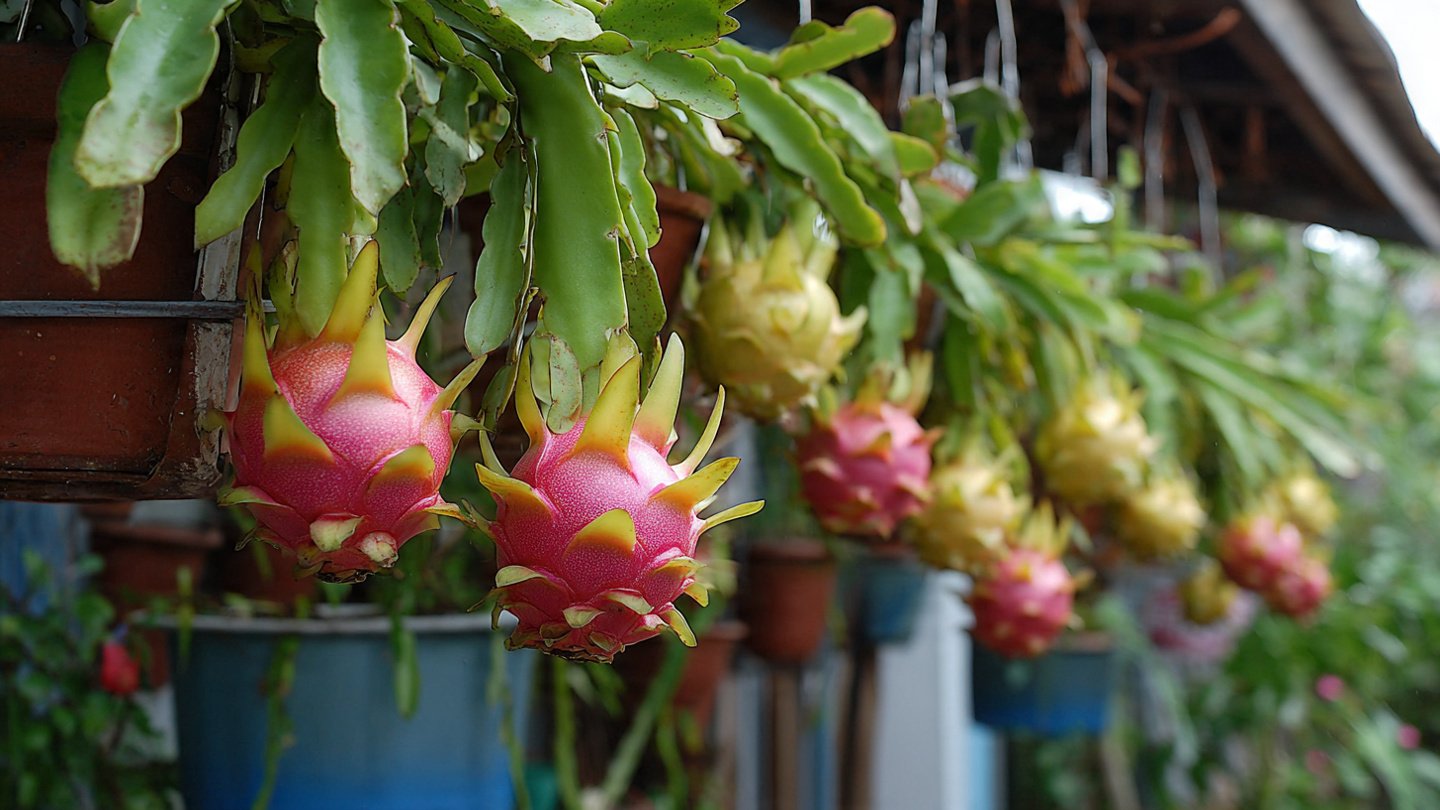
Container gardening is a fantastic way to cultivate a variety of plants, especially if you have limited space or poor soil. Among the exotic and rewarding plants you can grow in containers is the dragon fruit (Hylocereus spp.), a striking cactus that produces vibrant, sweet fruit. Here’s your comprehensive guide to mastering dragon fruit container gardening for a bountiful harvest.
Understanding Dragon Fruit
Dragon fruit, also known as pitaya, belongs to the cactus family and is known for its unique appearance and health benefits. With its bright pink skin and green scales, the fruit is not only delicious but also packed with nutrients, including vitamin C, fiber, and antioxidants. Dragon fruit is relatively easy to grow, making it an excellent choice for both novice and experienced gardeners.
Latest Posts
- How to Use Invisible Wire for a Stunning Climbing Plant Wall
- Are Your Garden Tools Making Your Plants Sick?
- How to Style a Small Studio with Columnar Cacti
- Why Is My Zucchini Shaped Like a Lightbulb?
- How to Protect Your Fruit From Birds Without Nets
- How to Keep Squirrels Away from Your Fruit Trees
- How to Protect Your Fruit from Birds Without Nets
- Why Biochar Is a Game-Changer for Your Kitchen Garden
- Why Some Rare Cacti Bloom Only One Night a Year
- How to Grow Rare Blue Strawberries at Home
Selecting the Right Variety
Before you start your container garden, it’s essential to choose the right dragon fruit variety. Here are the most common types:
- Hylocereus undatus: Known as the white-fleshed dragon fruit, it has a sweet, mild flavor.
- Hylocereus costaricensis: This variety features red flesh and a sweeter taste.
- Hylocereus megalanthus: Also called yellow dragon fruit, it offers a sweet and tangy flavor.
Choose a variety that fits your taste preference and growing conditions, as different types may have specific care requirements.
Choosing the Right Container

When it comes to container gardening, the choice of container is crucial:
- Size: Choose a pot that is at least 24 inches deep and wide. Dragon fruit develops a robust root system, and a larger container supports its growth and fruit production.
- Material: Clay, plastic, or ceramic pots are suitable choices. Ensure that the container has proper drainage holes to prevent waterlogging.
- Weight: Consider using lightweight materials, especially if you plan to move your pots around for optimal sunlight.
Soil Requirements
Dragon fruit thrives in well-draining soil. A custom mix can enhance your plant’s health. Here’s a suggested potting mix:
- 1 part potting soil (for nutrients)
- 1 part perlite or coarse sand (for drainage)
- 1 part cactus mix (to provide a suitable environment)
This mix ensures that moisture drains quickly, preventing root rot—a common issue with container plants.
Planting Your Dragon Fruit

Timing
The best time to plant your dragon fruit is in the spring when temperatures consistently stay above 70°F (21°C). This climate promotes ideal growth, as dragon fruits love warm weather.
Steps to Planting
- Fill the Container: Add your potting mix to the container, filling it about two-thirds full.
- Position the Seedling: If using seedlings, plant them in the center, ensuring the roots are covered but not over-packed.
- Water the Plant: Give your newly planted dragon fruit a thorough watering, allowing excess water to drain out.
- Support Structure: Consider adding a trellis or stake. Dragon fruit plants are climbing cacti and benefit from support as they grow.
Care and Maintenance
Light Requirements
Dragon fruit plants thrive in full sunlight, requiring at least 6–8 hours of direct sunlight each day. If you’re growing them indoors or in shaded areas, position the containers in the sunniest spot available.
Watering
Proper watering is essential for dragon fruit health. Here’s a guideline:

- Young Plants: Water every 1-2 weeks, allowing the soil to dry out between waterings.
- Mature Plants: In peak growing seasons (spring and summer), increase watering to once a week. During dormancy (fall and winter), reduce watering frequency.
Be careful not to overwater, as dragon fruit is susceptible to root rot.
Fertilization
Fertilizing your dragon fruit is crucial for vigorous growth and fruit development. Use a balanced fertilizer (10-10-10) or a specific cactus fertilizer. Apply it every 4–6 weeks during the growing season, but cut back in the winter months when the plants are dormant.
Pruning
Pruning helps manage the plant’s growth and encourages fruit production. Here’s how:
- Remove any dead or dying stems.
- Trim back excessive growth to promote consistent branching and air circulation.
- Prune cautiously to avoid damaging the plant; always use clean, sharp tools.
Pest and Disease Management

While dragon fruit is generally resilient, it can encounter pest issues. Common pests include:
- Mealybugs: Treat with insecticidal soap.
- Spider Mites: Keep humidity levels up and wash plants with water to remove these pests.
Diseases primarily stem from overwatering. Ensure proper drainage and monitor moisture levels. Signs of root rot include yellowing stems and wilting.
Harvesting Your Dragon Fruit
After planting, you can expect to see flowers within 6-12 months and fruit within 12-18 months—provided the plant is healthy and conditions are right. Here are signs to look for when harvesting:
- Color: The fruit should be vibrant and fully colored.
- Texture: When gently squeezed, it should feel slightly soft, indicating ripeness.
- Timing: Harvest in the morning or late afternoon when the temperatures are cooler.
Use a sharp knife to cut the fruit off the stem, ensuring you leave a small part of the stem attached to the fruit.

Post-Harvest Care
After harvesting, store the dragon fruit in a cool, dry place. It can be stored in the refrigerator for up to a week. Enjoy it fresh, or incorporate it into smoothies, salads, or desserts.
Enhancing Yield and Longevity
To encourage continuous production, keep these strategies in mind:
- Cross-Pollination: If possible, grow multiple varieties of dragon fruit to enhance pollination and boost fruit production.
- Season Extension: In cooler climates, consider moving your pots indoors or utilizing mini-greenhouses during winter months to protect the plants and extend their growing season.
- Regular Observation: Keep a watchful eye on your plants. The sooner you catch and deal with any issues, the better your chances for a successful harvest.
Conclusion
Mastering dragon fruit container gardening can be a rewarding and fruitful venture. With proper care, attention to growing conditions, and a bit of patience, you can enjoy the taste of fresh, home-grown dragon fruit. Not only does it provide a delicious harvest, but it also adds a striking visual element to your home or garden. By following these guidelines, you’ll be well on your way to enjoying a bountiful dragon fruit harvest. Happy gardening!