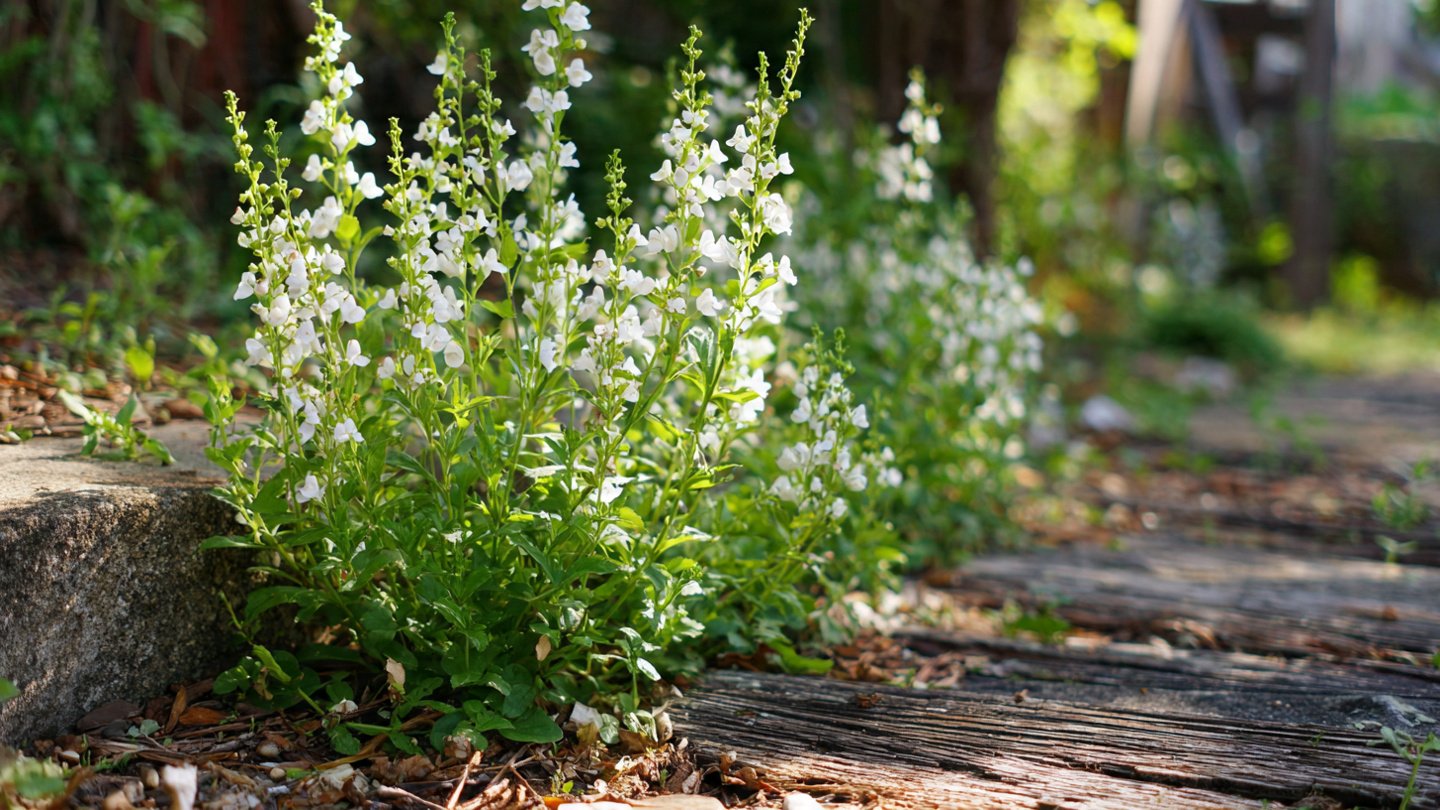
Toadflax, known scientifically as Linaria, is a charming perennial or annual flower beloved for its delicate, snapdragon-like blossoms. These beautiful flowers are often found in cottage gardens, wildflower meadows, and even rockeries. With a varying array of colors including yellow, purple, and pink, toadflax can bring a whimsical touch to any landscape. This guide will walk you through the process of growing toadflax, from selecting the right species to ensuring your plants thrive throughout the growing season.
Understanding Toadflax
Before diving into the growing process, it’s important to understand the characteristics and varieties of toadflax:
Latest Posts
- How to Use Invisible Wire for a Stunning Climbing Plant Wall
- Are Your Garden Tools Making Your Plants Sick?
- How to Style a Small Studio with Columnar Cacti
- Why Is My Zucchini Shaped Like a Lightbulb?
- How to Protect Your Fruit From Birds Without Nets
- How to Keep Squirrels Away from Your Fruit Trees
- How to Protect Your Fruit from Birds Without Nets
- Why Biochar Is a Game-Changer for Your Kitchen Garden
- Why Some Rare Cacti Bloom Only One Night a Year
- How to Grow Rare Blue Strawberries at Home
-
Types of Toadflax:
- Annual Toadflax (Linaria maroccana): This species produces vibrant blooms and is usually grown as a summer annual. It features upright stems and can bloom from summer to early fall.
- Perennial Toadflax (Linaria vulgaris): Known as yellow toadflax, this variety can live for several years. It features soft yellow flowers and is often used in wildflower gardens.
-
Growing Zones: Toadflax is hardy in USDA zones 3 to 9, depending on the species. This broad range allows it to thrive in numerous climates across North America.
-
Soil Preferences: Toadflax prefers well-draining soils and can tolerate poor soil conditions. However, it thrives best in sandy loam enriched with organic matter.
-
Light Requirements: Full sun is ideal for optimum growth. While toadflax can tolerate partial shade, fewer blooms will result.

How to Grow Toadflax
Step 1: Selecting the Right Site
Choosing the right site is crucial for the successful cultivation of toadflax. Aim for a location that receives at least six hours of sunlight daily.
- Soil Testing: Conduct a soil test to check pH levels and nutrient availability. Toadflax prefers a pH ranging from 6.0 to 7.5.
- Drainage: Ensure the area has good drainage to prevent root rot. Raised beds can be a good option for waterlogged areas.
Step 2: Preparing the Soil
Preparation of the planting area should focus on improving soil structure and fertility.
- Amendments: If your soil is heavy or poorly draining, mix in sand or perlite to improve drainage. Adding compost can also enrich the soil, providing essential nutrients.
- Tilling: Loosen the soil to a depth of about 12 inches to create a favorable environment for root growth.
Step 3: Sowing Seeds

Toadflax can be propagated through seeds or transplants.
If sowing seeds directly:
- Timing: Direct sow seeds in early spring once the danger of frost has passed. Alternatively, late summer sowing for spring blooms is effective.
- Spacing: Sow seeds 1/4 inch deep and 12-18 inches apart to allow for spreading. Thin seedlings once they are a few inches tall.
If starting indoors:
- Timing: Start seeds indoors 6-8 weeks before the last frost date.
- Transplanting: Harden off seedlings before transplanting outside by gradually exposing them to outdoor conditions over a week.
Step 4: Caring for Your Toadflax
Once your seeds have germinated or your transplants are in the ground, providing the right care is essential.
-
Watering: Water regularly, particularly during dry spells. However, avoid overwatering, as toadflax is susceptible to root rot.
-
Fertilizing: A light application of balanced fertilizer during the growing season can promote healthy blooms. Avoid over-fertilization, which can lead to lush foliage but fewer flowers.
-
Mulching: Applying a layer of mulch can help retain moisture, suppress weeds, and regulate soil temperature. Organic mulch, such as straw or wood chips, will also improve soil quality as it breaks down.

Step 5: Maintenance and Troubleshooting
Toadflax is generally low-maintenance, but a few practices can enhance growth and longevity.
- Deadheading: Regularly remove spent flowers to encourage continuous blooming throughout the growing season.
- Staking: Taller varieties may need staking to prevent them from flopping over. Use stakes or twine to provide support.
Pests and Diseases
Toadflax can face some common pests and diseases:
- Pests: Aphids and spider mites can occasionally be problematic. Monitoring plants regularly helps catch infestations early.
- Diseases: Fungal infections like powdery mildew may appear in humid conditions. Ensuring good air circulation and appropriate spacing can mitigate this risk.
Step 6: Harvesting and Using Toadflax
Toadflax makes a stunning cut flower, adding color to arrangements and bouquets.
- Cutting Flowers: Harvest flowers in the morning when blooms are fully open. Cut stems at an angle and place them in water immediately to prolong freshness.
- Dried Flowers: Toadflax can also be dried for use in everlasting arrangements. Hang stems upside down in a cool, dark, and dry place until fully dried.
Step 7: Propagation
Toadflax can be propagated easily, ensuring that your garden remains vibrant year after year.
- Dividing: For perennial toadflax, division every few years can revive tired plants. Dig up the root clumps in early spring or fall, and replant sections in well-prepared soil.
- Seed Saving: Collect seeds from mature plants in late summer—store them in a cool, dry place for use the following year.
Creative Uses for Toadflax
Toadflax is not just stunning in the garden; it can also serve multiple purposes:
-
Naturalistic Landscaping: Use toadflax in naturalistic settings, wildflower meadows, or mixed borders alongside grasses and other perennials.
-
Pollinator-Friendly Gardens: Toadflax attracts beneficial insects, including bees and butterflies, making it a great choice for pollinator gardens.
-
Rock Gardens: Its low-growing varieties work well in rock gardens, creating vibrant pockets of color amongst stones.
Conclusion
Cultivating toadflax can greatly enhance the aesthetics of your garden while offering benefits to local wildlife and enhancing biodiversity. With its stunning array of colors, resilience, and ease of care, toadflax is a delightful addition to any gardener’s repertoire. By following this comprehensive guide, you can enjoy not only the beauty of these flowers but also the satisfaction of growing them from seed to bloom. Whether you choose the annual or perennial variety, toadflax will undoubtedly add charm to your garden for years to come. Happy gardening!