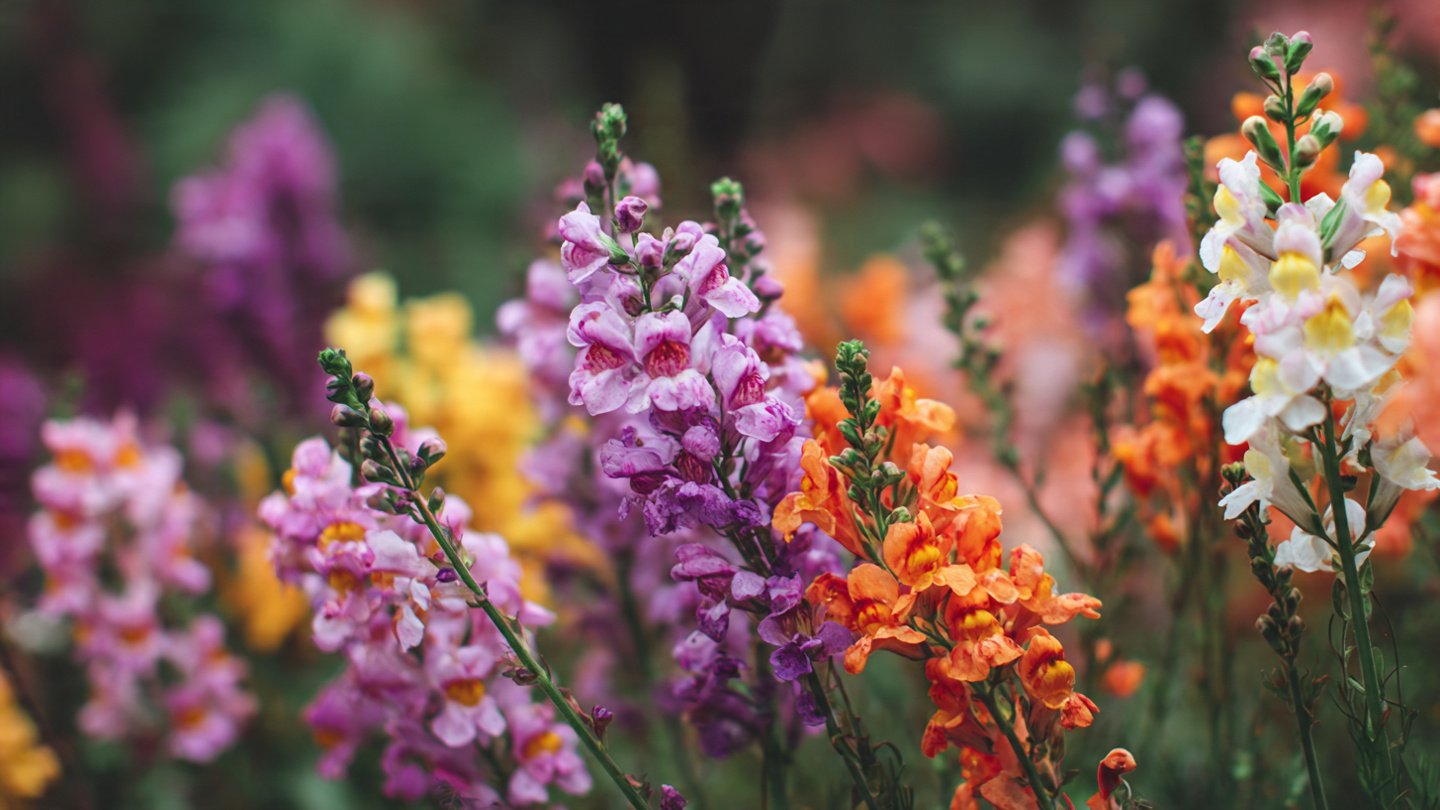
Linaria, commonly known as toadflax, is a charming and versatile flowering plant that graces gardens with its delicate blooms and graceful foliage. These hardy perennial and annual plants are particularly favored for their ability to bring vibrancy to gardens during the cool seasons. This article will guide you on how to successfully grow Linaria, covering its planting, care, pest management, and more.
Understanding Linaria
Botanical Characteristics
Latest Posts
- How to Use Invisible Wire for a Stunning Climbing Plant Wall
- Are Your Garden Tools Making Your Plants Sick?
- How to Style a Small Studio with Columnar Cacti
- Why Is My Zucchini Shaped Like a Lightbulb?
- How to Protect Your Fruit From Birds Without Nets
- How to Keep Squirrels Away from Your Fruit Trees
- How to Protect Your Fruit from Birds Without Nets
- Why Biochar Is a Game-Changer for Your Kitchen Garden
- Why Some Rare Cacti Bloom Only One Night a Year
- How to Grow Rare Blue Strawberries at Home
Linaria belongs to the Plantaginaceae family and is known for its vibrant colors, typically ranging from yellow and purple to pink and white. The flowers resemble tiny snapdragons, emerging in clusters atop tall stems that can reach heights of 24 inches (60 cm) or more. Their bushy foliage provides a lush green backdrop, making them excellent companions for other garden plants.
Varieties of Linaria
There are several species of Linaria, with the most common including:
- Linaria maroccana: Known for its vibrant, delicate flowers in shades of blue, purple, and yellow. It’s often grown as an annual.
- Linaria vulgaris: A hardy perennial native to Europe, commonly known as butter-and-eggs due to the color of its flowers.
- Linaria purpurea: Also known as purple toadflax, it features tall spikes of purple blooms and can spread vigorously in favorable conditions.
Selecting the Right Location
Sunlight Requirements

Linaria thrives in full sun to partial shade. Ideally, choose a location that receives at least 6 hours of sunlight a day. In hotter climates, some afternoon shade may be beneficial to protect the plants from intense heat.
Soil Considerations
Linaria prefers well-draining soil rich in organic matter. Sandy loam is ideal, but the plant can tolerate various soil types as long as there’s good drainage. Consider conducting a soil test prior to planting to ensure the pH is between 6.0 and 7.0, which is optimal for growth.
Spacing and Layout
When planting multiple Linaria, consider spacing them about 12 to 18 inches apart. This allows for proper air circulation and prevents overcrowding, which can lead to disease.
Planting Linaria
Seed Starting Indoors
For those in cooler climates, starting seeds indoors is an excellent way to get a head start on the growing season. Here’s how:
- Timing: Start seeds 6 to 8 weeks before the last frost date.
- Containers: Use seed trays filled with a seed-starting mix.
- Sowing: Scatter the seeds on the surface, as they require light for germination. Lightly press them into the soil.
- Watering: Mist the soil gently to prevent displacement of the seeds. Maintain moisture until germination occurs.
- Temperature: Keep the seedlings in a warm location between 65°F and 70°F (18°C to 21°C).

Direct Sowing
For milder climates or after the last frost, seeds can be sown directly into the garden:
- Soil Preparation: Loosen the soil and amend it with compost to enhance fertility.
- Sowing: Scatter the seeds and lightly rake the soil, covering them with a thin layer of soil.
- Watering: Keep the soil moist until germination.
Caring for Linaria
Watering
Linaria prefers consistent moisture but is susceptible to root rot if overwatered. Water the plants deeply but infrequently, allowing the soil to dry out between waterings. During dry spells, regular watering is crucial to maintain healthy growth.
Fertilizing
Incorporate a balanced, slow-release fertilizer at planting time. Following the initial application, fertilize Linaria every 4 to 6 weeks during the growing season with a diluted liquid fertilizer to promote vigorous flowering.

Pruning
To encourage bushier growth and prevent leggy plants, pinch back the tips of young plants. After flowering, deadhead the spent blooms to encourage new flowers and maintain a tidy appearance in the garden.
Mulching
Applying a layer of organic mulch around the base of the plants can help retain soil moisture, regulate temperature, and suppress weeds. Use materials such as shredded bark or straw, and avoid covering the stems too closely to prevent rot.
Pest and Disease Management
Common Pests
Linaria can occasionally attract pests such as:
- Aphids: Small insects that suck sap from the plants. Control them by spraying with a strong jet of water or using insecticidal soap.
- Spider mites: These tiny pests thrive in dry conditions. Increase humidity or use neem oil to manage infestations.
- Slugs and snails: Encourage natural predators or use traps to manage these pests.
Diseases
Linaria can be susceptible to diseases like powdery mildew and root rot, typically due to excessive moisture. To prevent these issues:
- Ensure proper air circulation by spacing plants adequately.
- Water at the base, avoiding foliage.
- Remove any diseased or dead plant material promptly to reduce the risk of disease spread.
Winter Care
For Perennials
If you’ve planted perennial Linaria, prepare them for winter:
- Cutting Back: After the first frost, cut back the plants to about 6 inches from the ground.
- Mulching: Apply a layer of mulch to protect the roots from freezing temperatures.
For Annuals
If you’ve grown Linaria as an annual, simply remove spent plants at the end of the growing season. Consider saving seeds for the next year.
Creating a Beautiful Linaria Display
Companion Planting
Linaria pairs well with other cool-season annuals and perennials, such as:
- Snapdragons: Their height complements Linaria’s blooms.
- Pansies and violas: These can fill in spaces below Linaria for vibrant color contrasts.
- Ornamental grasses: Add texture and movement alongside the delicate flowers.
Garden Design Tips
- Plant in drifts for a natural look.
- Use Linaria as a border plant or in a cottage garden setting.
- Combine with taller plants at the back of borders for visual interest and support.
Conclusion
Growing Linaria can bring a splash of color to your garden during the cooler months, and with a bit of care and attention, you can enjoy these stunning flowers year after year. By following the tips outlined in this article, from planting and caring to pest management and seasonal preparation, you’ll create a flourishing garden that showcases the beauty of Linaria. Whether you’re a seasoned gardener or a novice, these delightful blooms are sure to become a favorite in your landscape. Happy gardening!