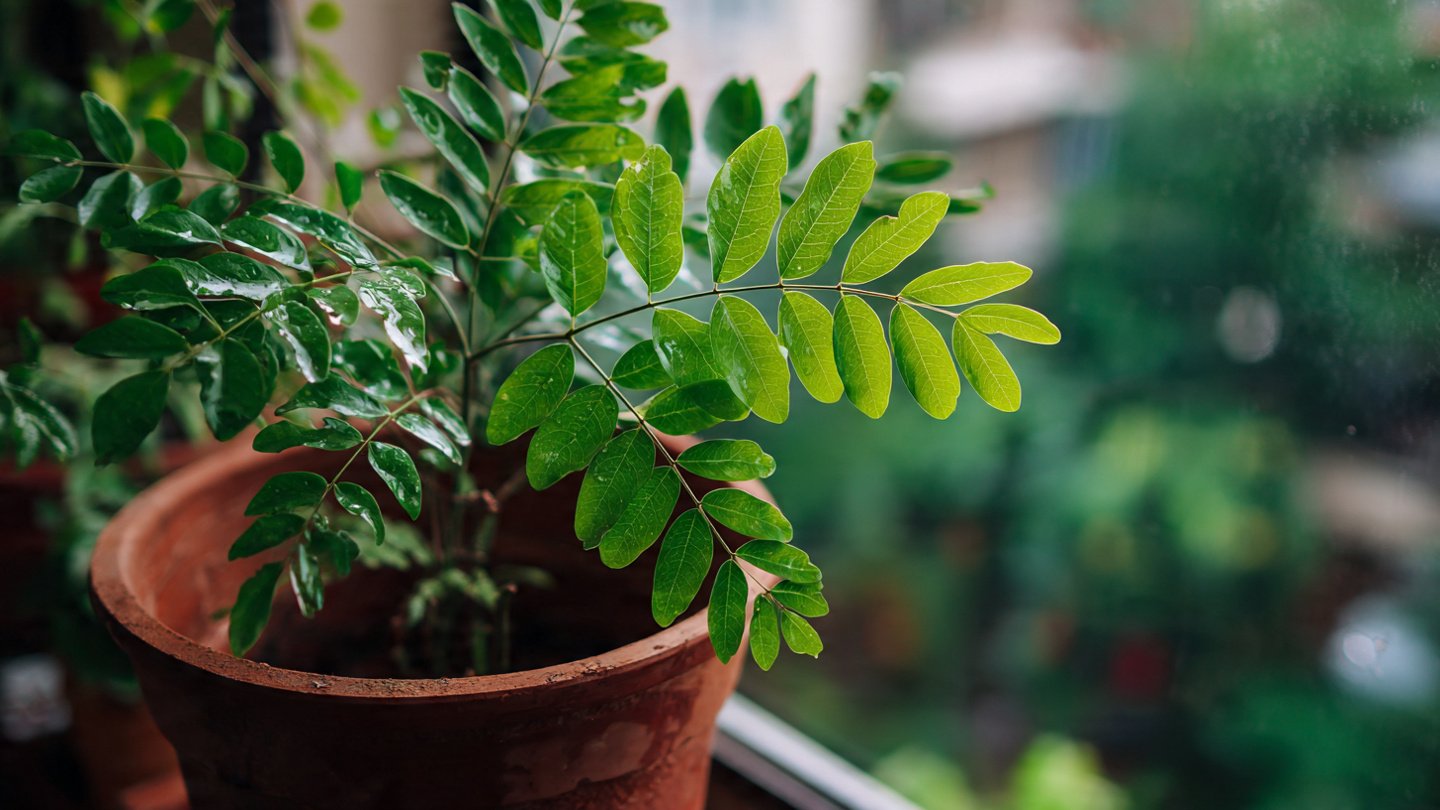
Curry leaf plants (Murraya koenigii) are a staple in many South Asian kitchens, beloved not only for their aromatic leaves but also for their numerous health benefits. These evergreen plants can be a delightful addition to your home garden, but they do require specific care to thrive. In this article, we will explore how to cultivate a thriving curry leaf plant and a powerful hack that can speed up its growth significantly.
Understanding the Basics of Curry Leaf Plant Care
Before diving into the hack for accelerating growth, it is essential to understand the basic requirements of the curry leaf plant.
Latest Posts
- How to Use Invisible Wire for a Stunning Climbing Plant Wall
- Are Your Garden Tools Making Your Plants Sick?
- How to Style a Small Studio with Columnar Cacti
- Why Is My Zucchini Shaped Like a Lightbulb?
- How to Protect Your Fruit From Birds Without Nets
- How to Keep Squirrels Away from Your Fruit Trees
- How to Protect Your Fruit from Birds Without Nets
- Why Biochar Is a Game-Changer for Your Kitchen Garden
- Why Some Rare Cacti Bloom Only One Night a Year
- How to Grow Rare Blue Strawberries at Home
1. Ideal Growing Conditions
Climate: Curry leaf plants thrive in warm, tropical environments. They grow best in USDA hardiness zones 9 to 11. If you live in a cooler climate, consider growing your curry leaf plant in a pot, so you can bring it indoors during winter.
Sunlight: These plants enjoy full sunlight. Aim for at least 6-8 hours of direct sunlight a day. If you notice yellowing leaves, it might be a sign of insufficient light.
Soil: Well-draining soil is crucial for the health of your curry leaf plant. A mix of potting soil, sand, and compost will promote drainage and provide essential nutrients.

2. Watering Needs
Curry leaf plants do not like to sit in water. Allow the top inch of soil to dry out before watering again. During hotter months, you may need to water more frequently, while in cooler months, reduce the frequency.
3. Fertilization
Feed your curry leaf plant every few months with a balanced fertilizer. Organic options like compost or fish emulsion work well. Avoid over-fertilizing, as this can lead to salt buildup and other issues.
4. Pruning
Regular pruning helps keep the curry leaf plant bushy and promotes new growth. Remove any dead or diseased leaves and trim back branch tips to encourage bushier growth.
5. Pest Management
Watch out for common pests like aphids, spider mites, and scale. Neem oil is an effective organic solution for pest control. Regularly inspect your plant for signs of infestation and take action promptly.
The Easy Hack for Faster Growth

While understanding the care requirements is vital, many gardeners wonder if there’s a way to expedite the growth of their curry leaf plants. The good news is that there is an effective hack: using a rooting hormone.
What is a Rooting Hormone?
A rooting hormone is a substance, often found in powder or gel form, that stimulates root development when applied to cuttings. It contains auxins, which encourage the growth of roots and can lead to faster establishment of new plants.
How to Use Rooting Hormone for Your Curry Leaf Plant
Using a rooting hormone can be particularly effective if you’re starting a new curry leaf plant from cuttings. Here’s how:
Step 1: Take Cuttings
Choose healthy stems from a mature curry leaf plant. Look for young, non-woody stems that have at least two to three pairs of leaves. Using clean, sharp scissors, cut a section about 4-6 inches long.
Step 2: Prepare the Cuttings
Remove the lower leaves, leaving only the top couple of sets. This prevents decay and focuses the plant’s energy on root development.

Step 3: Apply Rooting Hormone
Dip the cut end of the stem into the rooting hormone, making sure to coat it well. Tap off any excess hormone.
Step 4: Plant the Cuttings
Plant the cuttings in a well-draining potting mix. Ensure the cut ends are buried at least 1-2 inches deep. Water gently to settle the soil around the cuttings.
Step 5: Create a Humid Environment
Cover the pot with a plastic bag or a plastic dome to create a greenhouse effect. This will help maintain humidity, which is crucial for root development. Ensure there’s some airflow to prevent mold growth.
Step 6: Monitor and Care
Place the pot in a warm location with indirect sunlight. Check the soil moisture regularly and mist the cuttings to maintain humidity. In a few weeks, you should notice new growth, signifying that roots have developed.

Additional Tips for Thriving Curry Leaf Plants
Now that you know the hack for faster growth, here are a few more tips to ensure your curry leaf plant thrives:
1. Companionship
Curry leaf plants can benefit from being surrounded by companion plants. Some good companions include basil and parsley, which can help deter pests and attract beneficial insects.
2. Seasonal Care
During the winter, if you’ve brought your plant indoors, ensure it’s still receiving adequate sunlight. You might also want to reduce watering, as the plant enters a dormant state.
3. Repotting
Curry leaf plants can grow quite large, so repotting may be necessary. Choose a larger pot when the plant outgrows its current one, typically every couple of years.
4. Harvesting

When your curry leaf plant is well-established, you can start harvesting leaves for culinary use. Regularly trimming leaves can promote bushier growth, so don’t hesitate to use them in your cooking!
5. Organic Solutions
If you’re using any pesticides or fertilizers, opt for organic solutions whenever possible. This ensures that you’re not introducing harmful chemicals to your plants or the environment.
Conclusion
Curry leaf plants can be a rewarding addition to your garden, both for their culinary uses and their health benefits. By providing the right conditions and employing our easy hack of using rooting hormone, you can accelerate the growth of your curry leaf plant and enjoy lush foliage in no time. So gather your materials, follow the steps, and watch your curry leaf plant thrive! Happy gardening!