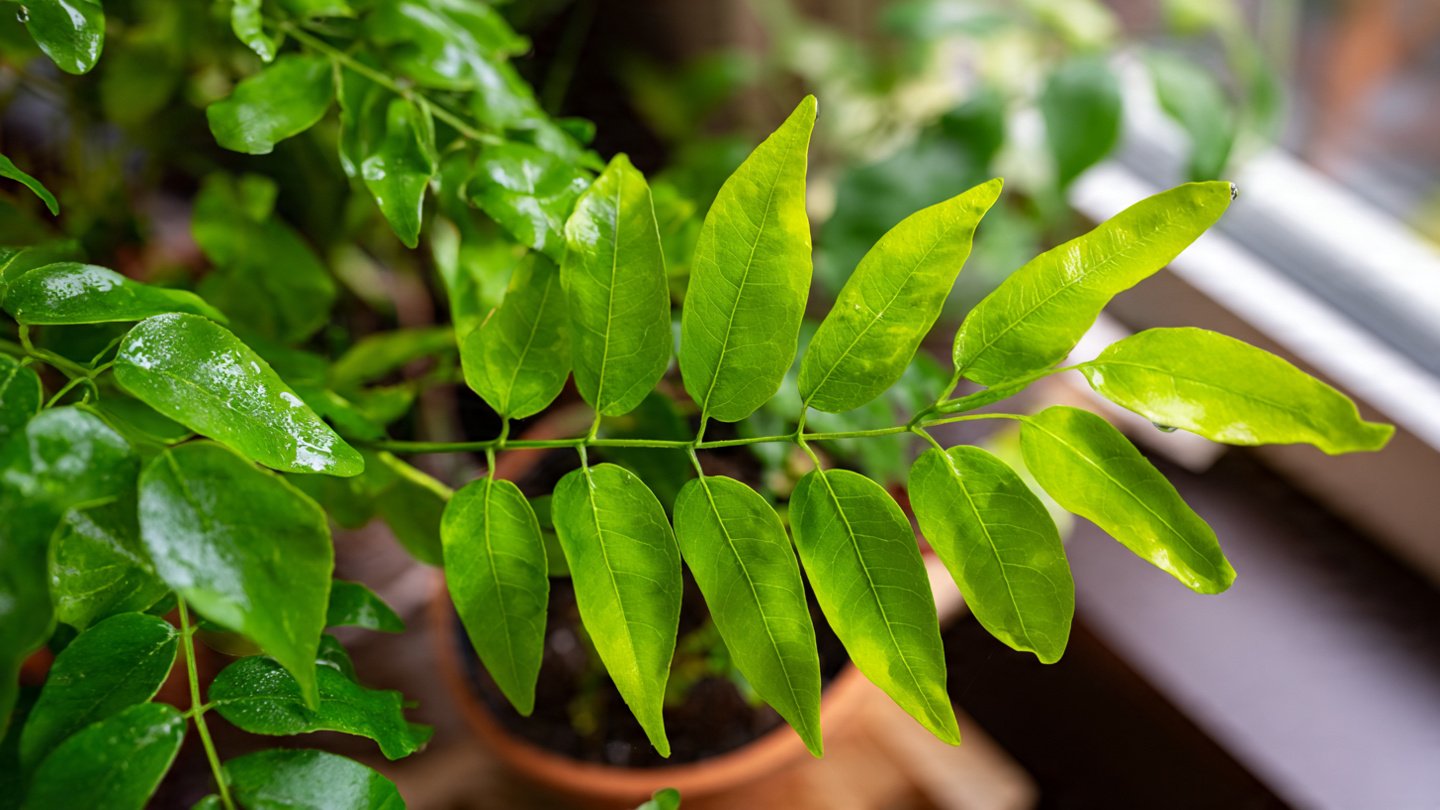
Curry leaves, scientifically known as Murraya koenigii, are a staple in many Indian dishes, known for their aromatic flavor and numerous health benefits. However, many gardeners face the challenge of yellowing leaves when growing these plants. Yellowing can indicate various problems ranging from nutrient deficiencies to improper watering practices. In this article, we’ll explore the causes of yellowing in curry leaf plants and provide you with effective tips to keep them vibrant and healthy.
Understanding Curry Leaves
Before diving into the care practices, it’s essential to understand the plant. Curry leaves are evergreen, aromatic foliage that grows on slender branches. The plant thrives in warm, humid conditions, making it a favorite in tropical and subtropical regions. Curry leaves can be grown in gardens, pots, or containers, adapting well to different soil types.
Latest Posts
- How to Use Invisible Wire for a Stunning Climbing Plant Wall
- Are Your Garden Tools Making Your Plants Sick?
- How to Style a Small Studio with Columnar Cacti
- Why Is My Zucchini Shaped Like a Lightbulb?
- How to Protect Your Fruit From Birds Without Nets
- How to Keep Squirrels Away from Your Fruit Trees
- How to Protect Your Fruit from Birds Without Nets
- Why Biochar Is a Game-Changer for Your Kitchen Garden
- Why Some Rare Cacti Bloom Only One Night a Year
- How to Grow Rare Blue Strawberries at Home
Key Reasons for Yellowing Leaves
-
Nutrient Deficiencies
- Nitrogen Deficiency: One of the primary nutrients that curry leaves require is nitrogen. A lack of nitrogen can lead to yellowing of the older leaves.
- Iron Deficiency: When plants lack iron, new leaves may turn yellow while the veins remain green, a condition known as chlorosis.
-
Overwatering or Underwatering

- Overwatering: Excess moisture can lead to root rot, which hampers the plant’s ability to absorb nutrients. This can manifest as yellowing leaves.
- Underwatering: Insufficient water can stress the plant, causing older leaves to yellow and drop.
-
Poor Soil Drainage
- If the soil does not drain well, it can retain too much moisture, leading to root issues and nutrient deficiency, where the roots can’t function properly.
-
Pest Infestation
- Pests such as aphids and spider mites can cause damage to leaves by sucking the sap, leading to yellowing and overall poor health.
-
Environmental Stress
- Factors such as inconsistent temperatures, changes in light exposure, or high humidity can stress the plant, resulting in discoloration.

Tips for Growing Vibrant, Healthy Curry Leaf Plants
1. Choose the Right Soil
Curry leaves prefer well-draining soil. A mixture of potting soil, sand, and compost can promote good drainage while providing necessary nutrients. Avoid compact or clay-heavy soils as they retain water.
Tip: Use a pot with drainage holes to facilitate water escape.
2. Water Wisely
Watering should be consistent yet cautious. The soil should be moist but not soggy.
- Check Soil Moisture: Use your finger to check the top inch of soil. If it feels dry, it’s time to water.
- Watering Times: Early morning watering is beneficial as it allows the plant to absorb moisture throughout the day.
3. Fertilize Regularly
Feed your curry leaf plant with a balanced fertilizer that includes nitrogen, phosphorus, and potassium. Organic fertilizers such as fish emulsion or compost can also work wonders.

- Frequency: Fertilize every four to six weeks during the growing season (spring and summer).
- Signs of Over-fertilization: If you notice leaf burn or an unusual sheen on the leaves, reduce the frequency.
4. Monitor for Pests
Regularly check your plants for common pests. If you notice tiny insects or webbing on the leaves, it’s time to act.
- Preventive Measures: Use insecticidal soap or neem oil to deter pests without harming beneficial insects.
5. Adjust Light Conditions
While curry leaf plants enjoy sunlight, too much direct sunlight can scorch the leaves. Aim for a balance.
- Ideal Lighting: A spot that receives partial sunlight or filtered sunlight is best. If you notice leaf burn, consider relocating the plant.
6. Maintain Humidity
Curry leaf plants thrive in humid conditions. Dry air, especially during winter, can contribute to stress.

- Humidity Boosters: You can increase humidity around the plant by misting the leaves or placing a tray of water nearby. Alternatively, using a humidifier will effectively maintain the required humidity levels.
7. Pruning and Maintenance
Regular pruning helps to maintain plant health and encourages new growth. Remove yellowing or damaged leaves to prevent them from affecting the overall plant health.
- How to Prune: Trim back any dead or yellowing leaves and branches. This encourages airflow and light penetration, which can reduce stress and promote healthier growth.
8. Observe Temperature Fluctuations
Curry leaf plants prefer temperatures between 70°F to 85°F (21°C to 29°C). Protect them from extreme temperature changes and drafts, which can lead to stress.
- Winter Care: If you live in a colder climate, consider bringing your plant indoors during winter months and placing it near a sunny window.
9. Be Patient
Growing healthy curry leaf plants can take time. They often need some nurturing to establish their roots and flourish. Monitor your plants and make gradual adjustments based on their response.

Troubleshooting Yellowing Leaves
If you notice yellowing despite following these tips, here’s a quick checklist:
- Check Watering Habits: Are you over or under-watering? Adjust accordingly.
- Inspect for Pests: Look closely at the leaves for signs of infestations.
- Re-evaluate Nutrient Levels: Ensure you’re using the right fertilizer, and consider a soil test to check nutrient levels.
- Examine Environment: Are temperatures or humidity levels unsuitable for your plant’s growth?
Conclusion
Growing vibrant, healthy curry leaf plants without yellowing is achievable with the right care and attention. By understanding the causes of yellowing and implementing these tips, gardeners can enjoy an abundant harvest of this fragrant herb. Plant your curry leaves today, and you’ll not only enhance your culinary endeavors but also add a beautiful, aromatic touch to your garden.
Embrace the journey of nurturing your curry leaf plants, and with patience and diligence, you’ll reap the rewards of lush, green foliage ready for culinary delights!