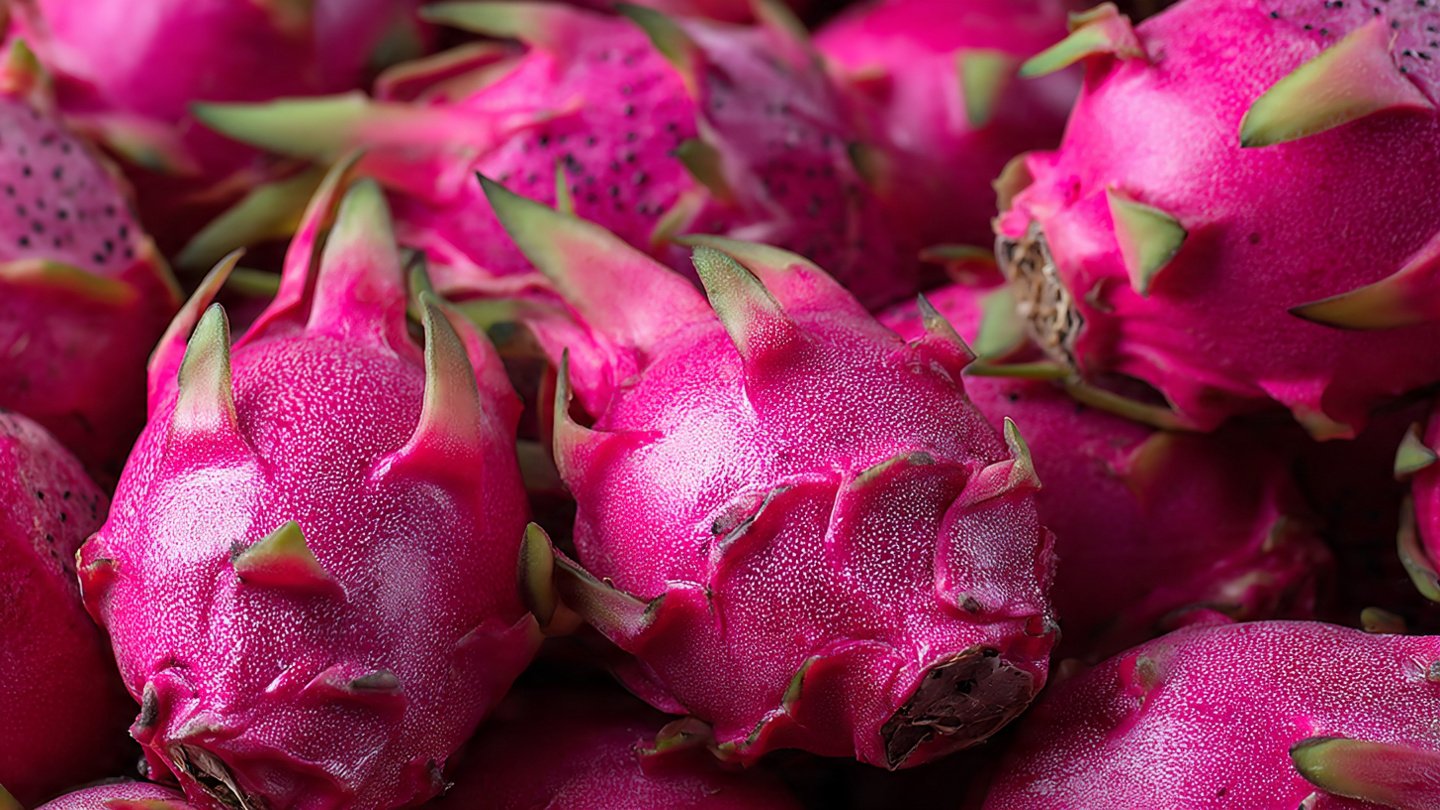
Dragon fruit, also known as pitaya, is a tropical fruit that grows on cactus species, primarily from the genus Hylocereus. Renowned for its vibrant colors, unique taste, and health benefits, dragon fruit has gained immense popularity among fruit enthusiasts and gardeners alike. To cultivate this exotic fruit successfully, it’s essential to create the ideal soil mix. This comprehensive guide will walk you through the steps to create the perfect soil mix for dragon fruit, covering everything from soil composition to drainage requirements.
Understanding Dragon Fruit’s Needs
Dragon fruit plants thrive in specific soil conditions. Understanding their natural habitat is crucial in creating the optimal growing environment. Dragon fruit typically grows in sandy, well-draining soils rich in organic matter. These plants are native to tropical climates, where humidity is high and rainfall is abundant, but they also need protection from waterlogged conditions. Therefore, ensuring proper soil drainage while maintaining some moisture is key to healthy growth.
Latest Posts
- How to Use Invisible Wire for a Stunning Climbing Plant Wall
- Are Your Garden Tools Making Your Plants Sick?
- How to Style a Small Studio with Columnar Cacti
- Why Is My Zucchini Shaped Like a Lightbulb?
- How to Protect Your Fruit From Birds Without Nets
- How to Keep Squirrels Away from Your Fruit Trees
- How to Protect Your Fruit from Birds Without Nets
- Why Biochar Is a Game-Changer for Your Kitchen Garden
- Why Some Rare Cacti Bloom Only One Night a Year
- How to Grow Rare Blue Strawberries at Home
Key Characteristics of Ideal Soil
-
Well-Draining: Dragon fruit roots are susceptible to rot if they sit in water. A well-draining soil mix helps prevent this issue.
-
Lightweight: Heavy soils can compact, leading to poor root development. A lightweight mix ensures that air can circulate around the roots.
-
Rich in Organic Matter: Incorporating organic matter enhances soil fertility and supports beneficial microbial activity.
-
pH Level: Dragon fruit prefers slightly acidic to neutral soil with a pH range of 6.0 to 7.0.
-
Nutrient-Rich: The soil should contain essential nutrients that support the growth and fruiting of the plant.
Essential Components of the Soil Mix

To create the perfect soil mix for dragon fruit, you can use a combination of the following components:
-
Potting Soil: A quality potting mix serves as the primary base and typically contains a blend of compost, peat moss, and perlite.
-
Coconut Coir: This organic material improves moisture retention while ensuring good drainage.
-
Perlite or Pumice: These lightweight aggregates improve aeration and drainage in the soil mix.
-
Sand: Coarse sand adds drainage ability and helps break up compacted soils.
-
Organic Compost: Compost enriches the soil with nutrients and microbes that support plant health.
-
Lime: If your soil is too acidic, adding lime can help to balance the pH.
Suggested Soil Mix Ratios
Creating the perfect soil mix usually involves experimenting with different ratios of the above components. Here’s a basic recipe to start with:
- 40% Potting Soil
- 30% Coconut Coir
- 20% Perlite or Pumice
- 10% Coarse Sand
Feel free to adjust these ratios based on the specific needs of your planting environment. If you live in a particularly humid area, consider increasing the sand or pumice for enhanced drainage.
Step-by-Step Guide to Creating Your Soil Mix
Step 1: Gather Your Materials
Before you begin, ensure you have all the necessary materials. You’ll need:
- Potting soil
- Coconut coir
- Perlite or pumice
- Coarse sand
- Organic compost
- A container or bucket for mixing
- A garden trowel or shovel
Step 2: Mix the Dry Ingredients

-
Combine the Base Ingredients: In a large container, combine the potting soil, coconut coir, perlite or pumice, and coarse sand according to the ratio outlined above.
-
Add Organic Compost: Incrementally mix in the compost. Ensure that it is well-distributed throughout the other ingredients.
-
Check Texture: The mixture should feel light and crumbly. If it seems too dense, add more perlite or coconut coir.
Step 3: Adjust pH if Necessary
-
Test the pH: Use a soil pH test kit to measure the acidity or alkalinity of your mix.
-
Adjust as Required: If the mix falls outside the optimal pH range, add lime to raise the pH or sulfur to lower it, adjusting carefully.
Step 4: Moisture Test
-
Moisten the Mix: Before potting, lightly moisten the mixture. It should hold together when squeezed but not be soggy.
-
Perform a Drainage Test: Place the moistened mix in a pot with drainage holes and water it. Observe how quickly the water drains. It should be relatively fast; if it pools on top, you may need to add more sand or perlite.
Step 5: Potting or Planting
-
Selecting Your Container: Choose a pot with adequate drainage holes. The size will depend on the age of the plant; larger pots are suitable for mature plants.
-
Fill the Pot with Soil Mix: Fill your pot with the mixed soil, leaving about an inch of space at the top.
-
Plant the Dragon Fruit: Carefully remove your dragon fruit cutting or seedling from its old container and place it in the new soil. Gently firm the soil around it to eliminate air pockets.
Ongoing Soil Maintenance
Creating the perfect soil mix is just the beginning. Ongoing maintenance will help ensure your dragon fruit thrives.
1. Watering
Dragon fruit requires regular watering, particularly during the growing season. However, be cautious not to overwater, especially if your soil mix drains well. Allow the top few inches of soil to dry out between watering sessions.
2. Fertilization
Fertilize your dragon fruit once every month during the growing season. Use a balanced fertilizer that is rich in potassium and phosphorus to promote healthy flowering and fruiting.
3. Mulching
Add a layer of organic mulch on top of the soil to help retain moisture, suppress weeds, and add additional nutrients as it breaks down.

Troubleshooting Common Soil Issues
While the above steps will assist in creating the perfect soil mix, you may encounter some challenges. Here are solutions to common soil issues:
1. Soil Compaction
If the soil appears too compacted, consider adding more perlite or sand to enhance aeration. Regularly turning the soil can also help prevent compaction.
2. Root Rot
Root rot is often caused by too much moisture in the soil. Ensure you’re watering adequately and that drainage is efficient.
3. Nutrient Deficiencies
If your dragon fruit exhibits yellowing leaves or stunted growth, it may require fertilization. Test the soil and adjust your fertilization practices accordingly.
Conclusion
Creating the perfect soil mix for dragon fruit is fundamental to growing healthy and productive plants. By selecting the right materials, maintaining proper drainage, and continuing to improve the mix over time, you can cultivate vibrant dragon fruit plants in your home garden. With a little patience and care, you’ll be rewarded with spectacular fruit that not only looks appealing but is also delicious and nutritious. Happy gardening!