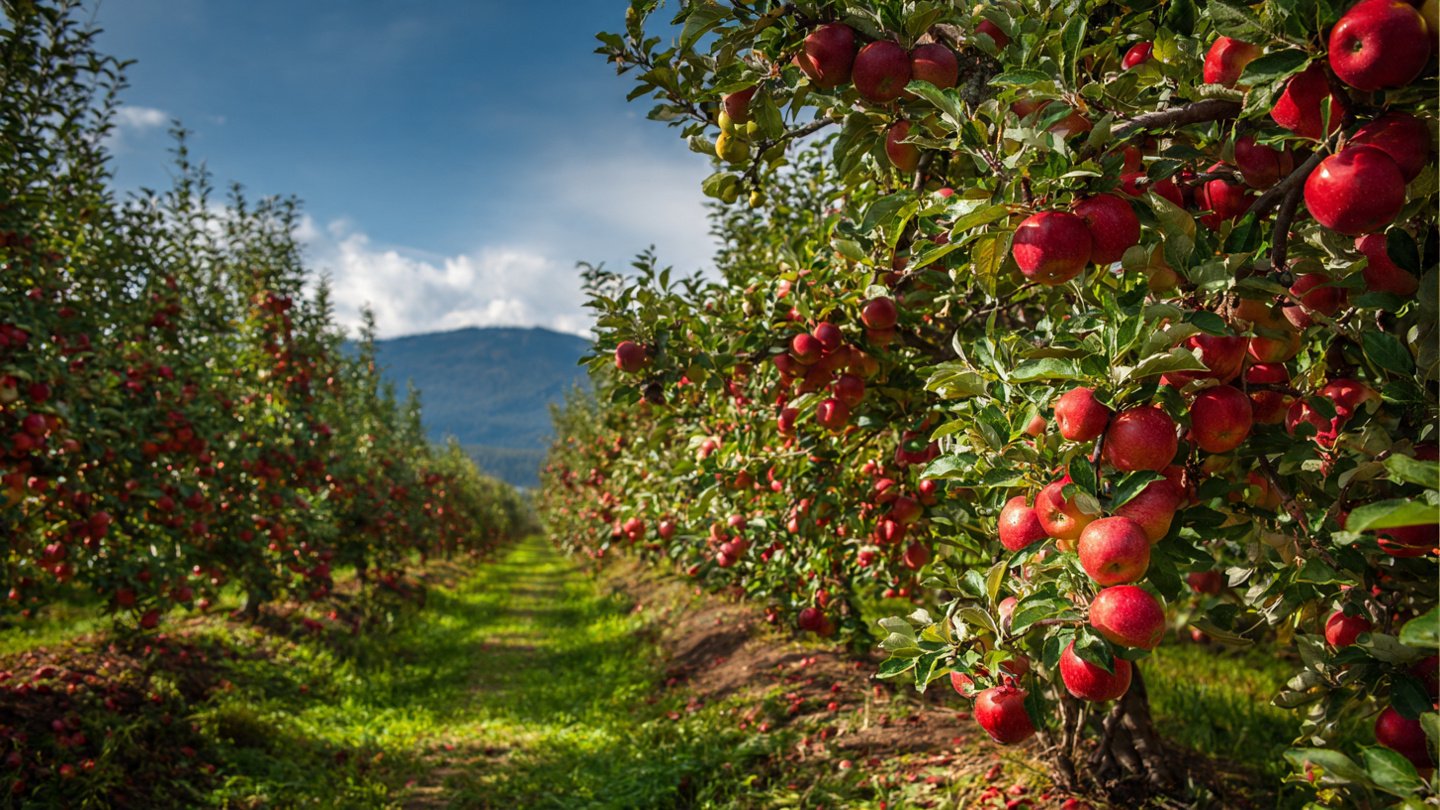
Growing apple trees in Canada can be a rewarding endeavor, whether you’re an experienced gardener or a novice just starting out. Apples are not only delicious and versatile fruits, but they also have beautiful blossoms that can enhance your garden’s aesthetic appeal. Here’s a comprehensive guide to help you grow apple trees from seed to harvest.
Choosing the Right Apple Variety
Before planting, it’s essential to select an apple variety suitable for your climate. Canada has various hardiness zones, so you’ll want to choose disease-resistant and cold-hardy varieties. Some recommended varieties for colder regions include:
Latest Posts
- How to Use Invisible Wire for a Stunning Climbing Plant Wall
- Are Your Garden Tools Making Your Plants Sick?
- How to Style a Small Studio with Columnar Cacti
- Why Is My Zucchini Shaped Like a Lightbulb?
- How to Protect Your Fruit From Birds Without Nets
- How to Keep Squirrels Away from Your Fruit Trees
- How to Protect Your Fruit from Birds Without Nets
- Why Biochar Is a Game-Changer for Your Kitchen Garden
- Why Some Rare Cacti Bloom Only One Night a Year
- How to Grow Rare Blue Strawberries at Home
- Northern Spy: A heritage apple that’s robust and great for baking.
- Honeycrisp: Known for its sweet flavor and crisp texture.
- Gravenstein: Ideal for both eating and cooking.
- Cortland: Great for pies and maintains its flavor as it ages.
Climate Considerations
Understanding your local climate is crucial. Most apple trees thrive in full sun and require well-drained soil. They typically prefer colder winters and moderate summers. Make sure to check your specific hardiness zone before selecting a variety.
Starting Apple Trees from Seed
Step 1: Gather Seeds

You can either buy seeds from a nursery or extract them from an apple. If extracting from an apple, select a variety that you love. Rinse the seeds and let them dry completely.
Step 2: Stratification
Apple seeds need a cold stratification period to germinate. Place the seeds in a moistened paper towel, then put them in a plastic bag and store them in the refrigerator for about 6-8 weeks. This mimics winter conditions and helps the seed prepare for sprouting.
Step 3: Planting the Seeds
After stratification, it’s time to plant. Use a seed-starting mix in small pots. Plant the seeds about an inch deep, covering them lightly with soil. Water them gently and keep them in a sunny location.
Step 4: Germination
Within a few weeks, you should see sprouts emerging. Keep the soil moist but not soggy. Aim for a temperature between 20°C to 25°C (68°F to 77°F) for optimal growth.
Transplanting Seedlings
Step 5: Preparing for Transplanting
Once your seedlings reach about 6 inches in height and have several leaves, it’s time to transplant them. Choose a location in your garden that receives full sunlight and has well-drained soil.
Step 6: Transplanting
Carefully dig up the seedlings, taking care not to damage the roots. Plant them in the garden at the same depth they were growing in pots. Space them about 20 feet apart to allow for proper air circulation and growth.
Care and Maintenance
Step 7: Watering
Water the newly transplanted trees immediately. For the first two years, provide regular watering, especially during dry spells. However, avoid overwatering, as apple trees are susceptible to root rot.
Step 8: Fertilizing
Fertilize your apple trees yearly, preferably in early spring before new growth appears. Use a balanced fertilizer according to the instructions on the label. Organic options are also available, including compost and well-rotted manure.
Step 9: Pruning
Pruning is essential for the health and productivity of your apple trees. Begin pruning while the tree is still young to help shape it. Remove any dead or diseased branches, and thin out crowded areas to improve air circulation. Ideally, prune in late winter or early spring before new growth begins.
Managing Pests and Diseases
Step 10: Monitoring for Pests
Regularly check for pests such as aphids, codling moths, and apple maggots. Use organic insecticides as necessary and introduce beneficial insects like ladybugs to help control pest populations.

Step 11: Preventing Diseases
Apple trees can be prone to diseases like apple scab and powdery mildew. To prevent disease, ensure good air circulation by proper pruning, and apply fungicides if needed. Rotating where you plant your trees can also help manage soil-borne diseases.
Pollination
Step 12: Cross-Pollination
Most apple trees require cross-pollination to bear fruit. Planting at least two different varieties will help ensure a successful cross-pollination. Bees are essential for this process, so consider planting flowers nearby to attract them.
Harvesting Apples
Step 13: Knowing When to Harvest
Timing your harvest is crucial for the flavor and quality of your apples. Generally, you should start checking for ripeness about 6-8 weeks after the flowers have dropped. Characteristics of ripe apples include:
- A firm but slightly yielding feel.
- Color change, depending on the variety.
- A sweet aroma.
To pick apples, gently twist and lift rather than pulling straight down; this reduces damage to the tree.
Step 14: Storing Apples
Once harvested, store your apples in a cool, dark place. Apples can last several months when kept in optimal conditions. Consider using wooden crates, and avoid stacking them too high to prevent bruising.
Conclusion
Growing apple trees from seed to harvest in Canada may seem daunting, but with the right knowledge and dedication, you can enjoy a bountiful harvest. Start by selecting the right variety for your climate, give your trees the care they need, and enjoy the fruits of your labor!
FAQs
1. How long does it take for an apple tree to bear fruit?
Most apple trees take about 3-5 years to produce fruit, although this can vary depending on the variety and growing conditions.
2. Can I grow apple trees in containers?
Yes, dwarf apple trees can be grown in containers. Ensure that the pot has adequate drainage and use quality potting soil.
3. What is the best time of year to plant apple trees?
The best time to plant apple trees is in the spring after the last frost, or in the fall before the ground freezes.
4. How do I know if my apple tree is healthy?
Healthy apple trees will have vibrant green leaves, a strong trunk, and symmetrical growth. If you notice unusual leaf drop or discolored leaves, it may indicate a problem.
5. Should I use pesticides on my apple trees?
Use pesticides sparingly and opt for organic options when possible. Always follow the application guidelines to ensure safety for your trees and the environment.
6. How do I support my apple trees?
As your apple trees grow, provide stakes or supports as needed, especially if you live in an area prone to heavy winds.
7. Can I graft my apple trees?
Yes, grafting apple trees can be an effective way to propagate desired varieties. However, it requires some skill, so it’s recommended for those with a bit of experience.
By following these guidelines, you can successfully grow apple trees in Canada, transforming your garden into a fruitful haven! Happy gardening!