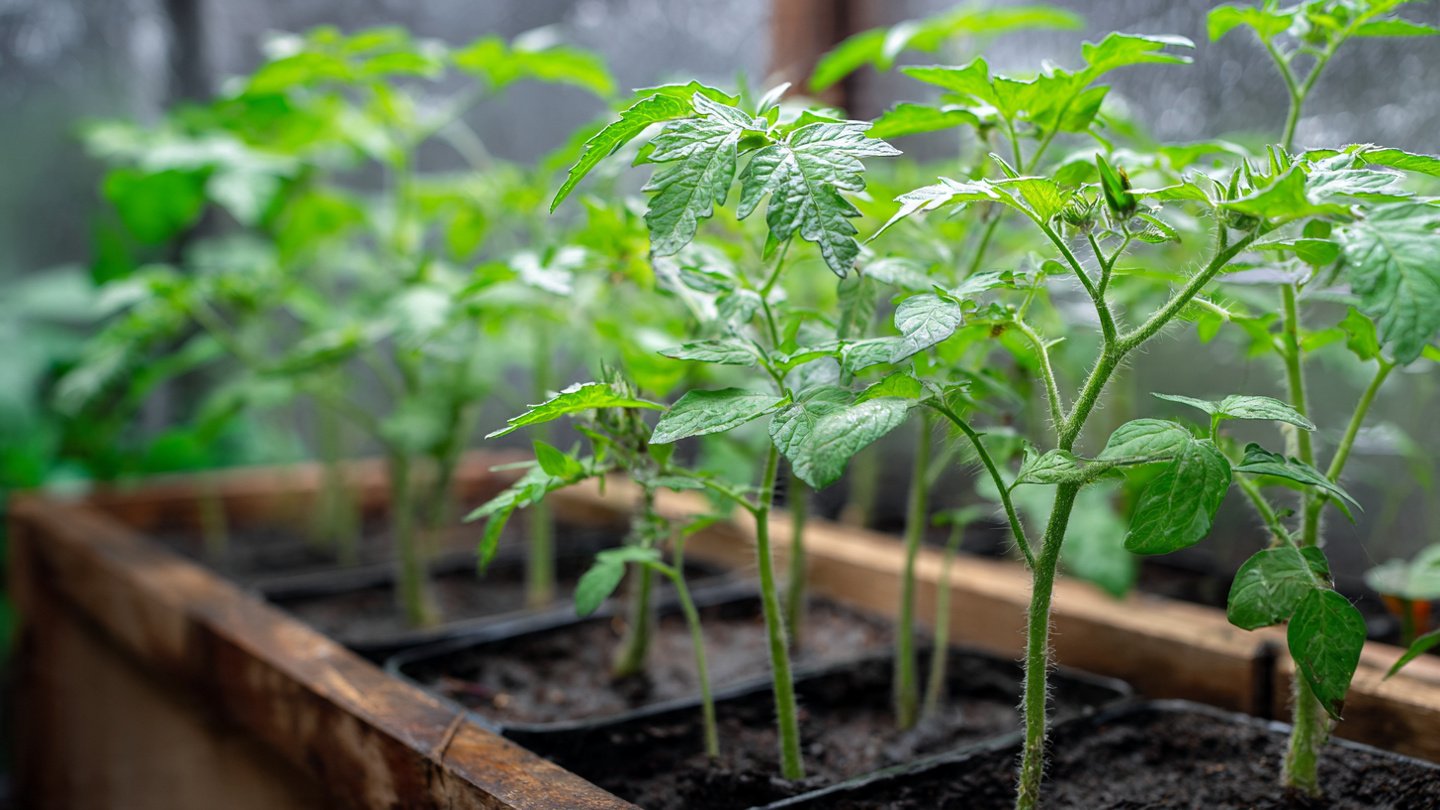
Growing tomatoes is a rewarding experience for both novice and seasoned gardeners. With some basic techniques, you can propagate your favorite tomato varieties easily from cuttings. This method not only saves money but also ensures that you have a continuous supply of fresh tomatoes in your home garden. In this article, we will explore the step-by-step procedures for growing tomato plants from cuttings, the best practices for success, and address some common questions about this method.
Understanding Tomato Cuttings
Tomato cuttings are sections of the plant that can develop roots and grow into new plants. This method relies on the tomato plant’s natural ability to regenerate. The process of taking cuttings and rooting them is often referred to as vegetative propagation.
Latest Posts
- How to Use Invisible Wire for a Stunning Climbing Plant Wall
- Are Your Garden Tools Making Your Plants Sick?
- How to Style a Small Studio with Columnar Cacti
- Why Is My Zucchini Shaped Like a Lightbulb?
- How to Protect Your Fruit From Birds Without Nets
- How to Keep Squirrels Away from Your Fruit Trees
- How to Protect Your Fruit from Birds Without Nets
- Why Biochar Is a Game-Changer for Your Kitchen Garden
- Why Some Rare Cacti Bloom Only One Night a Year
- How to Grow Rare Blue Strawberries at Home
Why Propagate from Cuttings?
- Cost-Effective: Instead of purchasing new plants, you can create new ones from existing stock.
- Genetic Uniformity: The new plants will be genetically identical to the original, ensuring that they will produce the same quality of fruit.
- Early Fruit Production: Starting from cuttings allows you to achieve earlier harvests since the plants are already mature.
Ideal Time for Taking Cuttings
The best time to take tomato cuttings is during the growing season, particularly in spring or early summer when the plants are actively growing. This period allows for the fastest rooting of the cuttings.
Step-by-Step Guide to Growing Tomato Plants from Cuttings
Step 1: Gather Materials
Before you begin, make sure you have the following materials ready:

- Healthy Tomato Plant: Choose a disease-free plant that’s grown well.
- Sharp Clean Scissors or Pruning Shears: To make clean cuts.
- Small Pots or Containers: For rooting cuttings.
- Potting Mix or Soil: A well-draining medium is essential.
- Water: To keep the cuttings hydrated.
- Plastic Bag or Cling Film: To create humidity (optional).
Step 2: Take the Cuttings
-
Select a Healthy Stem: Look for a healthy and vigorous stem on the tomato plant. It should be at least 6-8 inches long and free of pests or disease.
-
Cut the Stem: Using your sharp scissors or pruning shears, make a clean cut just below a leaf node. A leaf node is where the leaves attach to the stem; this is where roots will emerge.
-
Remove Lower Leaves: Strip off the leaves from the lower half of the cutting to avoid rot when placed in the soil. Leave a couple of leaves at the top to help with photosynthesis.
Step 3: Root the Cuttings

-
Prepare the Pot: Fill your small pot with well-draining potting mix. It’s helpful to dampen the soil before inserting the cuttings.
-
Insert the Cutting: Make a small hole in the soil with your finger or a pencil. Place the cutting into the hole and gently press the soil around it to ensure good contact.
-
Water the Cutting: After inserting, give the cutting a little water to help settle the soil. Make sure not to soak it.
-
Humidity and Warmth: Optionally, you can create a humid environment by covering the pot with a plastic bag or cling film. Just ensure that there’s some airflow to prevent mold.
Step 4: Care for Your Cuttings
- Light: Place your cuttings in a spot where they get indirect sunlight. Too much direct sun can lead to wilting.
- Temperature: Tomatoes prefer warmer conditions. Keeping the cuttings in a warm area will encourage quicker rooting.
- Watering: Check the soil moisture regularly. The soil should remain moist but not soggy. Water as needed to maintain humidity.
Step 5: Transplanting
After a couple of weeks, your cuttings should develop roots. You can verify this by gently tugging on the cutting; resistance indicates that roots have formed.

-
Check for Root Development: Carefully remove the cutting from the pot to inspect the roots. If they are 2-3 inches long, it’s time to transplant.
-
Transplant into Larger Pots or Garden: Choose a sunny location in your garden or a larger pot. Plant the rooted cutting at the same depth it was previously growing. Water thoroughly after planting.
-
Continue to Care: Water regularly and provide support as necessary using stakes or cages. Fertilization can begin two weeks after transplanting to promote further growth.
Best Practices for Success
-
Disease Management: Always ensure your original plants are healthy to prevent passing diseases to the new cuttings.
-
Water Quality: Use clean, treated water for both watering your cuttings and the soil. Avoid using chlorinated water, as it can harm the delicate roots.
-
Fertilization: After the cuttings have rooted and are established, use a balanced fertilizer to promote robust growth.
-
Staking: As the new plants grow, they may require support to keep the fruit off the ground and prevent disease.

Troubleshooting Common Problems
- Wilting Cuttings: This may indicate either insufficient moisture or too much direct sunlight. Adjust their environment accordingly.
- Rotting Cuttings: If cuttings appear mushy or black, remove them immediately and check the soil moisture level. Ensure proper drainage to avoid overwatering.
- Slow Rooting: If cuttings are taking longer to root, it may be too cold or lacking sufficient humidity. Consider moving them to a warmer, more humid location.
FAQs
1. How long does it take for tomato cuttings to root?
Typically, tomato cuttings take about 1-3 weeks to root, depending on environmental conditions such as temperature and moisture.
2. Can I grow tomatoes from cuttings in water?
Yes, you can propagate tomato cuttings in water until roots develop. Once they have roots that are 2-3 inches long, transplant them into potting soil.
3. How many cuttings can I take from one tomato plant?
You can take multiple cuttings from a healthy tomato plant. Just ensure that the plant’s overall health is not compromised.
4. What is the best time of year to take tomato cuttings?
The ideal time for taking cuttings is during the growing season, particularly in spring or early summer.

5. How often should I water the cuttings?
Keep the cuttings moist but not soggy. You may need to water every few days or as needed, depending on the humidity and temperature of the environment.
6. Can I take cuttings from any tomato variety?
Yes, most tomato varieties can be propagated from cuttings. However, heirloom varieties are commonly preferred for their unique flavors.
7. What is the best temperature for rooting tomato cuttings?
Tomato cuttings prefer warm conditions; maintaining a temperature between 70°F to 80°F (21°C to 27°C) will enhance rooting success.
Final Thoughts
Growing tomato plants from cuttings is an accessible method that can yield great results. With minimal investment in materials and some attention to detail, you can expand your garden and enjoy a bountiful harvest. By following the techniques laid out in this article, you will not only save money but also cultivate your passion for gardening at home. Happy gardening!