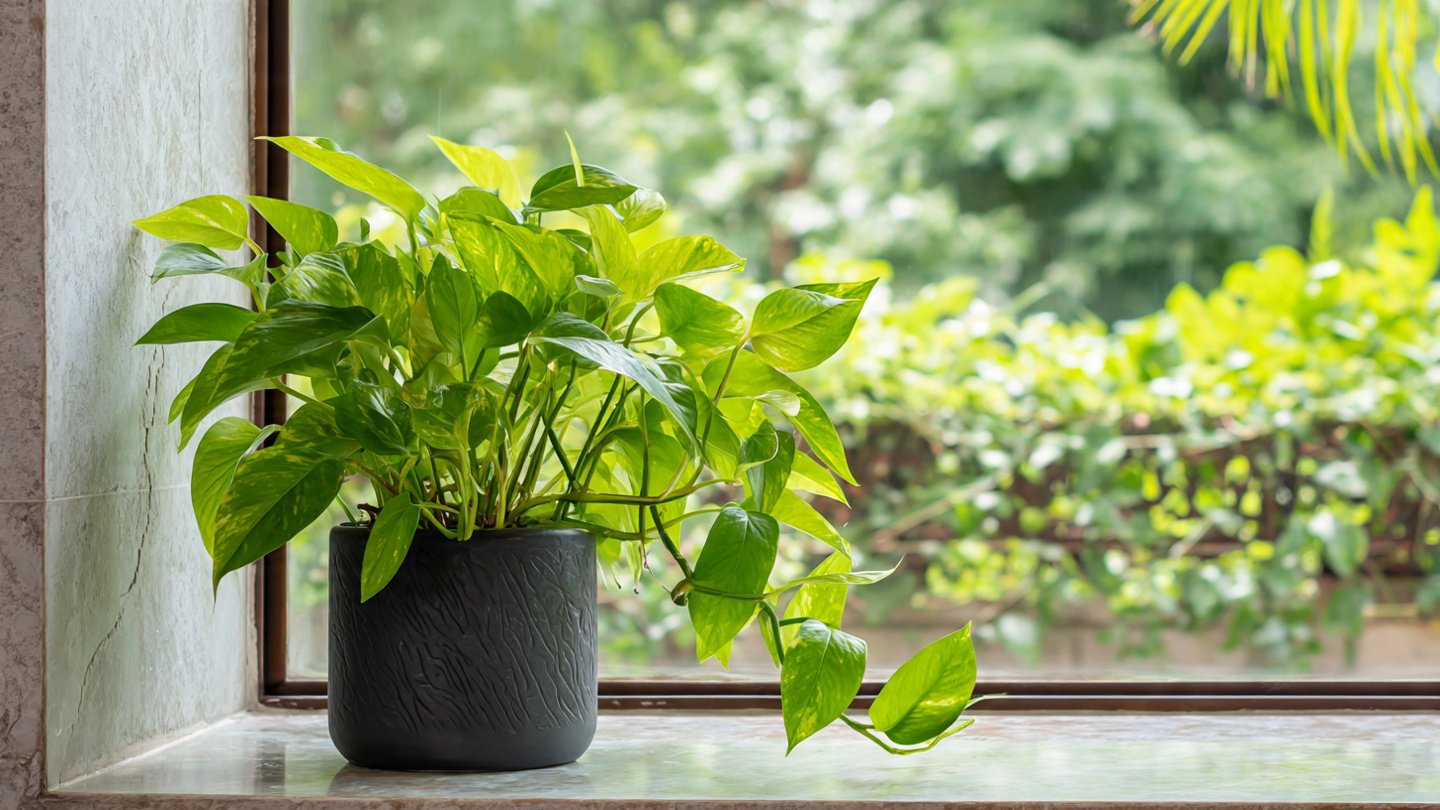
The Money Plant, also known as Pothos or Epipremnum aureum, is one of the most versatile and easy-to-care-for houseplants. Known for its heart-shaped leaves and trailing vines, this plant is celebrated not just for its aesthetic value but also for its air-purifying qualities. In this article, we’ll explore effective strategies for growing a lush Money Plant indoors, ensuring it thrives in any environment, be it a cozy apartment or a sun-drenched living room.
Understanding the Money Plant
Before diving into care strategies, it’s essential to understand the Money Plant’s characteristics. Native to the Solomon Islands, this hardy plant adapts well to various indoor conditions, strengthening its reputation as a go-to indoor plant. Its glossy leaves can be green or variegated, and they grow rapidly, making it a favorite for both novice and seasoned gardeners.
Latest Posts
- How to Use Invisible Wire for a Stunning Climbing Plant Wall
- Are Your Garden Tools Making Your Plants Sick?
- How to Style a Small Studio with Columnar Cacti
- Why Is My Zucchini Shaped Like a Lightbulb?
- How to Protect Your Fruit From Birds Without Nets
- How to Keep Squirrels Away from Your Fruit Trees
- How to Protect Your Fruit from Birds Without Nets
- Why Biochar Is a Game-Changer for Your Kitchen Garden
- Why Some Rare Cacti Bloom Only One Night a Year
- How to Grow Rare Blue Strawberries at Home
Benefits of Growing a Money Plant
- Air Purification: Money Plants are known to filter indoor air pollutants, creating a healthier environment.
- Low Maintenance: They require minimal care compared to other houseplants, making them suitable for busy individuals.
- Aesthetic Appeal: With their lush greenery and cascading vines, they add a vibrant touch to any space.
- Good Luck Charm: In many cultures, Money Plants are considered a symbol of prosperity, encouraging the belief that they attract wealth and good fortune.
Effective Care Strategies
1. Selecting the Right Pot and Soil
Pot Selection: Use a pot with drainage holes to prevent waterlogging, which can lead to root rot. Pots made of terracotta or ceramic are excellent choices, as they allow moisture to escape.
Soil: Opt for a well-draining potting mix. You can create your own by mixing equal parts peat moss, perlite, and potting soil. This mix allows for proper aeration while retaining enough moisture for the plant.

2. Optimal Lighting Conditions
Money Plants thrive in bright, indirect sunlight. While they can tolerate low-light conditions, their growth may slow down, and the leaves might lose their vibrancy.
- Bright Indirect Light: Position the plant near a window that receives filtered light. Sheer curtains can help diffuse harsh sunlight.
- Low-Light Adaptations: If your space lacks natural light, grow lights can be a perfect solution. Position them about 12 inches above the plant for the best results.
3. Watering Guidelines
Overwatering is one of the most common mistakes made when caring for Money Plants. Here’s how to get it right:
- Check Soil Moisture: Before watering, test the top inch of the soil. If it’s dry, it’s time to water. If it’s still moist, wait a few more days.
- Watering Technique: Water the plant thoroughly until water drains out of the bottom. Empty the saucer beneath the pot to prevent water stagnation.
- Seasonal Adjustments: In winter, reduce watering frequency as the plant’s growth slows down.
4. Humidity Needs
Money Plants flourish in high humidity, but they can also tolerate average indoor conditions. To enhance humidity levels:

- Pebble Trays: Place a tray filled with water and pebbles under the pot. As the water evaporates, it will increase humidity around the plant.
- Misting: Occasionally mist the leaves, especially in winter when indoor air tends to be drier.
5. Fertilization
While Money Plants need minimal fertilization, periodic feeding can promote lush growth.
- Type of Fertilizer: Use a balanced liquid fertilizer diluted to half-strength. Look for fertilizers specifically designed for houseplants.
- Frequency: Fertilize every 4-6 weeks during the growing season (spring and summer). Cut back during fall and winter.
6. Pruning and Training
Pruning not only keeps your Money Plant manageable but also encourages bushier growth.
- When to Prune: Anytime during the growing season. Look for leggy vines or yellowing leaves.
- How to Prune: Cut back long stems just above a leaf node. New growth will emerge from this point.
- Training: Use trellises or poles if you’d like the plant to climb. Be sure to secure the vines as they grow.
7. Pest Management

Though Money Plants are generally resistant to pests, occasional infestations can occur. Common pests include spider mites, mealybugs, and aphids.
- Inspection: Regularly check the undersides of leaves and along stems for signs of pests.
- Treatment: If pests are detected, remove them manually or spray the affected areas with a mixture of water and mild dish soap. Neem oil is also an effective organic treatment.
8. Repotting
As your Money Plant grows, it may become root-bound, necessitating repotting.
- Signs of Repotting: Roots growing out of the drainage holes or stunted growth indicate it’s time to repot.
- Timing: Typically, repot every 1-2 years in spring when the plant is actively growing. Choose a slightly larger pot with fresh soil to provide more room for growth.
Creating the Ideal Environment
To ensure your Money Plant thrives indoors, consider the following environmental factors:
Temperature
Money Plants prefer temperatures between 65°F and 85°F (18°C – 29°C). Avoid placing them in drafty areas or near heat sources, as extreme temperature fluctuations can stress the plant.
Placement
- Shelves and Hanging Baskets: Use shelves with indirect lighting or hanging baskets for a cascading effect.
- Floor-Level Placement: If placing on the floor, choose a spot where the plant can still receive adequate light, such as near a window.
Seasonal Adjustments
- Summer Care: During hotter months, increase watering frequency and consider moving the plant to a cooler spot if temperatures rise too high.
- Winter Care: In winter, be mindful of dry indoor air caused by heating. Increase humidity levels as mentioned earlier.
FAQs
1. How often should I water my Money Plant?
Water your Money Plant when the top inch of the soil feels dry. This typically means watering every 1-2 weeks, depending on the environment.
2. Can I grow a Money Plant in low light?
Yes, Money Plants can adapt to low-light conditions, but growth may be slower, and leaves might lose some vibrancy. Bright, indirect light is ideal.
3. Is the Money Plant toxic to pets?
While Money Plants are not severely toxic, they can cause mild gastrointestinal upset if ingested. Keep them out of reach of pets and small children.
4. How can I propagate my Money Plant?
Money Plant propagation is easy! Cut a healthy stem with several leaves. Place the cutting in water until roots develop, then transfer it to soil.
5. Why are the leaves of my Money Plant turning yellow?
Yellow leaves may indicate overwatering, poor drainage, or insufficient light. Assess the environment and adjust your care routine accordingly.
6. Can I use tap water for my Money Plant?
It’s generally best to use filtered or distilled water if your tap water is high in chlorine or fluoride. Allow tap water to sit for 24 hours before using it to let chlorine evaporate.
Conclusion
The Money Plant is a remarkable indoor companion, offering both aesthetic beauty and air-purifying benefits. With its adaptability and resilience, you can cultivate a lush and healthy plant regardless of your indoor environment. By implementing the strategies discussed in this article, you’ll be well on your way to enjoying the rich green foliage of your Money Plant for years to come. Happy gardening!