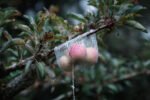
Growing Red Delicious apple trees in your backyard can be a rewarding endeavor, especially when you can harvest your own fresh fruit. This comprehensive guide will walk you through the entire process, from selection and planting to maintenance and harvesting, ensuring that you maximize your fruit yield.
Overview of Red Delicious Apple Trees
Red Delicious apples are renowned for their sweet flavor and crisp texture, making them a popular choice for eating fresh. They are characterized by their deep red color and distinctive shape, which features five prominent lobes. Additionally, these trees are moderately resistant to diseases, making them suitable for backyard cultivation.
Benefits of Growing Red Delicious Apples
- Flavor and Texture: Sweet and crisp, ideal for fresh eating.
- Nutritional Value: Rich in vitamins and antioxidants.
- Visual Appeal: Beautiful blossoms in spring and vibrant fruit in fall.
- Self-Confidence: Cultivating your own fruit can be immensely satisfying.
Choosing the Right Variety
When selecting a Red Delicious apple tree, consider the following:
- Rootstock: The tree’s rootstock affects its size and vigor. Common rootstocks for Red Delicious include M.9 and M.26, which promote smaller, more manageable trees.
- Pollination: Red Delicious apple trees are not self-pollinating, so it’s essential to plant another apple variety nearby to ensure full pollination.
- Climate: Red Delicious apple trees thrive in USDA zones 5 through 8, requiring a certain number of chilling hours during winter.
Preparing Your Site
Selecting the Ideal Location
Choose a sunny spot in your yard with well-drained soil. Apple trees require full sun for at least six hours per day to produce a bountiful harvest.

Soil Testing and Preparation
- Soil Testing: Conduct a soil test to determine pH and nutrient levels. Red Delicious apples prefer slightly acidic conditions, ideally between pH 6.0 and 7.0.
- Soil Preparation: Amend the soil as necessary. Add compost or well-rotted manure to improve fertility and drainage.
Planting Your Tree
- Timing: The best time to plant apple trees is in early spring or late fall when the tree is dormant.
- Planting Hole: Dig a hole that is twice as wide and as deep as the root ball.
- Placement: Place the tree in the center of the hole, ensuring that the graft union (where the tree variety meets the rootstock) is above ground level.
- Backfilling: Fill the hole with a mixture of native soil and compost, and water thoroughly to eliminate air pockets.
Caring for Your Red Delicious Apple Tree
Watering
Apple trees need consistent moisture, especially during their first few years. Gauge moisture levels by checking the top inch of soil. Water deeply once a week during dry spells, reducing frequency once the tree is established.
Latest Posts
- How to Use Invisible Wire for a Stunning Climbing Plant Wall
- Are Your Garden Tools Making Your Plants Sick?
- How to Style a Small Studio with Columnar Cacti
- Why Is My Zucchini Shaped Like a Lightbulb?
- How to Protect Your Fruit From Birds Without Nets
- How to Keep Squirrels Away from Your Fruit Trees
- How to Protect Your Fruit from Birds Without Nets
- Why Biochar Is a Game-Changer for Your Kitchen Garden
- Why Some Rare Cacti Bloom Only One Night a Year
- How to Grow Rare Blue Strawberries at Home
Fertilization
Fertilization is critical for maximizing fruit yield.
- Initial Fertilization: Apply a balanced fertilizer formulated for fruit trees in early spring, following manufacturer instructions.
- Annual Feeding: Continue yearly applications through late summer. Avoid fertilizing late in the season, as it may encourage new growth that can be damaged by frost.
Pruning
Regular pruning is vital for maintaining tree health and maximizing yield.
- Timing: Prune during late winter when the tree is dormant.
- Techniques:
- Remove any dead or diseased wood.
- Thin out overly crowded branches to allow light penetration and air circulation.
- Shape the tree to encourage an open center, promoting fruit development.
Pests and Disease Management
Red Delicious apple trees can be susceptible to various pests and diseases.
- Common Pests:
- Apple Maggot: Use traps to monitor and manage infestations.
- Codling Moth: Apply organic insecticides during the early fruit development stage.
- Diseases:
- Apple Scab: Ensure good airflow and consider applying fungicidal sprays in the spring if conditions are conducive to disease spread.
- Powdery Mildew: Maintain proper spacing and sanitation to minimize outbreaks.
Mulching
Applying a 2- to 4-inch layer of mulch helps retain moisture, suppress weeds, and maintain soil temperature. Use organic materials like wood chips or straw, and keep the mulch a few inches away from the trunk.
Harvesting Your Red Delicious Apples
Signs of Ripeness
Red Delicious apples typically ripen in late fall. Look for:
- A deep, uniform red color.
- Firm texture.
- Slight give when gently squeezed.
Harvesting Technique
Use gentle lifting and twisting motions to avoid bruising the fruit. Cut the fruit from the tree rather than pulling it to ensure the best quality.
Post-Harvest Care
- Storage: Apples should be stored in a cool, dark, and humid place. A refrigerator’s crisper drawer is ideal.
- Processing: Consider making applesauce, cider, or freezing excess fruit to enjoy year-round.
Common Problems and Solutions
Apple Drop
This phenomenon often occurs when trees overproduce fruit or experience stress. Thin excess apples in early summer to reduce stress on the tree.

Poor Fruit Quality
Inconsistent watering, inadequate sunlight, or pest infestations can affect fruit quality. Follow best practices for soil, watering, and pest management to ensure a healthy tree.
FAQs
1. How long does it take for a Red Delicious tree to bear fruit?
Typically, a Red Delicious apple tree will start to bear fruit in 4 to 6 years after planting.
2. Can I grow Red Delicious apples in containers?
Yes, you can grow Red Delicious apples in containers, but be sure to choose a dwarf variety and provide adequate water and nutrients.
3. How much space do I need between apple trees?
Plant Red Delicious apple trees at least 15 to 20 feet apart to allow ample room for growth and proper air circulation.
4. What is the best companion tree for pollination?
Good companions for Red Delicious include other apple varieties like Granny Smith or Fuji, as they bloom at the same time.
5. Can I use pesticides on my apple trees?
While organic solutions are preferable, chemicals can be used if necessary. Always follow label instructions and consider local regulations.
Conclusion
Cultivating Red Delicious apple trees can be a rewarding addition to your gardening efforts, providing beautiful blooms and delicious fruit for years to come. With the right planning, care, and attention, you can maximize your yield and enjoy the fruits of your labor. Happy growing!