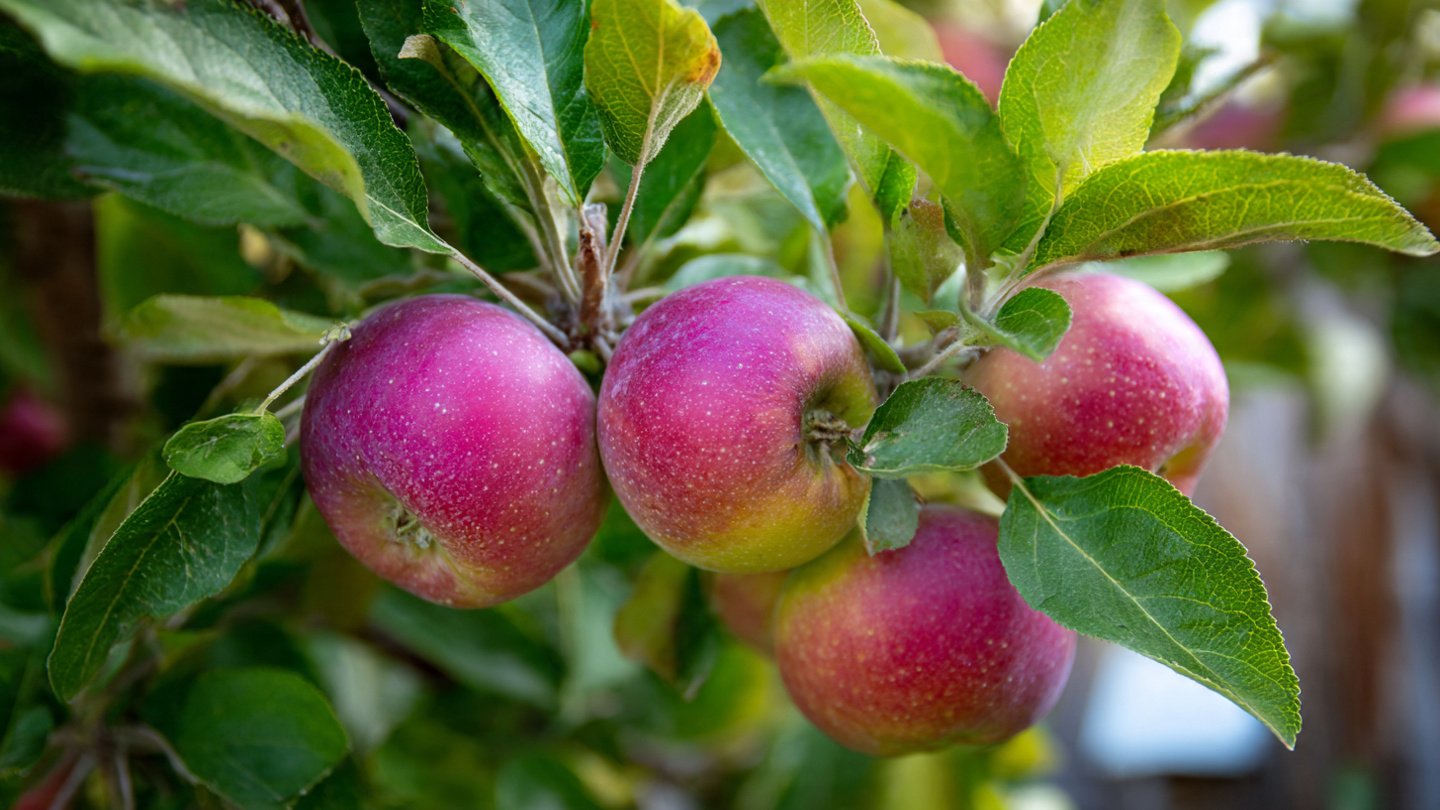
Growing your own fruit can be a rewarding and fulfilling hobby, and one of the most popular apples suited for backyard cultivation is the McIntosh apple. Renowned for its juicy, sweet, and slightly tart flavor, the McIntosh apple offers a unique taste and aroma that can’t be replicated by store-bought varieties. In this article, we’ll discuss everything you need to know to successfully grow McIntosh apple trees, from planting to harvesting.
1. Understanding the McIntosh Apple
The McIntosh apple, often simply called “Mac,” is a cold-hardy variety developed in Canada in the 19th century. It features a distinctive red and green color with a soft, tender texture. This variety is perfect for pies, sauces, and fresh eating, making it a versatile choice for home gardeners.
Latest Posts
- How to Use Invisible Wire for a Stunning Climbing Plant Wall
- Are Your Garden Tools Making Your Plants Sick?
- How to Style a Small Studio with Columnar Cacti
- Why Is My Zucchini Shaped Like a Lightbulb?
- How to Protect Your Fruit From Birds Without Nets
- How to Keep Squirrels Away from Your Fruit Trees
- How to Protect Your Fruit from Birds Without Nets
- Why Biochar Is a Game-Changer for Your Kitchen Garden
- Why Some Rare Cacti Bloom Only One Night a Year
- How to Grow Rare Blue Strawberries at Home
Characteristics of McIntosh Apples
- Flavor: Sweet with a hint of tartness
- Texture: Crisp, yet tender and juicy
- Color: Red and green skin with a blushed appearance
- Uses: Eating fresh, baking, and making cider
2. Choosing the Right Location
To cultivate healthy McIntosh apple trees that yield abundant fruit, it’s essential to choose the right location in your garden.
Sunlight
McIntosh apple trees thrive in full sun. Aim for a site that receives at least 6 to 8 hours of direct sunlight daily. This exposure maximizes photosynthesis, aiding in fruit development.

Soil Type
McIntosh trees prefer well-draining, loamy soil with a pH level between 6.0 and 7.0. Conduct a soil test before planting to determine pH levels and nutrient content. If necessary, amend the soil with compost or organic matter to enhance its fertility.
Space Considerations
Ensure proper spacing when planting. McIntosh apple trees typically require at least 15 to 20 feet of space between each tree for adequate air circulation and sunlight. If planting in a small area, consider dwarf or semi-dwarf varieties that will bear fruit more quickly and require less space.
3. Planting McIntosh Apple Trees
When to Plant
The best time to plant McIntosh apple trees is in early spring or fall, depending on your climate. Fall planting allows the tree to establish roots before winter, while spring planting enables it to grow with the season.
Selecting Young Trees
Purchase your McIntosh apple trees from a reputable nursery. Look for healthy young trees, preferably with a grafted rootstock that matches your soil conditions.
Planting Process
-
Digging the Hole: Create a hole approximately twice the width of the root ball and as deep as the roots. Loosen the soil at the bottom to encourage root expansion.
-
Positioning: Place the tree in the center of the hole, ensuring the graft union (swelling on the trunk where the tree was grafted) is at the soil level.
-
Backfilling: Gradually replace the soil around the roots, gently patting it down to eliminate air pockets. Water thoroughly after planting.
-
Mulching: Add a 2- to 4-inch layer of mulch around the base of the tree to retain moisture and suppress weeds.
4. Caring for McIntosh Apple Trees
Watering
Young McIntosh apple trees require consistent watering, especially during the first two years. Water them weekly, providing 1-2 inches of water, depending on rainfall. Once established, they are relatively drought-tolerant but may benefit from additional watering during dry spells.
Fertilization
Feed your trees with a balanced fertilizer in early spring as new growth begins. Organic options like compost or fish emulsion can also provide necessary nutrients without chemical exposure. Over-fertilization can lead to excessive foliage and fewer fruits, so follow application guidelines carefully.
Pruning
Pruning is crucial for maintaining the shape, health, and productivity of your McIntosh apple tree. Here are some tips for pruning:
-
Timing: Perform pruning during the dormant season in late winter or early spring before new buds form.
-
Technique: Remove dead, damaged, or crossing branches, and thin out overcrowded areas to promote good air circulation. Aim for an open center to allow sunlight to penetrate the canopy.

Pest and Disease Management
McIntosh apple trees are subject to various pests and diseases, including:
-
Apple Scab: A fungal infection that affects leaves and fruit. Use organic fungicides and maintain air circulation through pruning.
-
Coddling Moths: Larvae that bore into the fruit. Use pheromone traps to monitor and control populations.
-
Aphids and Spider Mites: Small pests that can cause damage. Introduce beneficial insects like ladybugs or use insecticidal soap as needed.
5. Pollination
Most apple trees, including McIntosh, are not self-pollinating. You will need to plant at least one other apple variety nearby for proper pollination. Good pollination is crucial for fruit set and development. Varieties that bloom at the same time as McIntosh, like Cortland or Empire, are excellent companions.
6. Harvesting McIntosh Apples
When to Harvest
McIntosh apples are typically ready for harvest in late summer to early fall, depending on your climate. The fruits should be firm and slightly soft when gently squeezed, and the skin will develop a blush.
How to Harvest
Use gentle twisting motions to pluck the apples. Avoid pulling directly on the fruit, as this can lead to damage.
Storage
Store harvested apples in a cool, dark place. If you have a large quantity, consider freezing, making applesauce, or baking into pies.
7. Frequently Asked Questions (FAQs)
1. How long does it take for a McIntosh apple tree to bear fruit?
Typically, McIntosh apple trees begin to bear fruit in 3 to 5 years, depending on the care and growing conditions.
2. Can I grow McIntosh apple trees in containers?
Yes, you can grow McIntosh apple trees in large containers. Make sure the pot is at least 5 gallons and provide regular watering and fertilization.
3. What can I do if my McIntosh apple tree isn’t producing fruit?
First, ensure that your tree is receiving enough sunlight and pollination. If it’s too young, give it time. Check for pests and diseases, and prune properly to encourage airflow.
4. Are McIntosh apples good for baking?
Yes! McIntosh apples are excellent for baking due to their tenderness and flavor. They create a delicious, soft filling in pies and crisps.
5. How often should I prune my McIntosh apple tree?
Prune annually during the dormant season to maintain shape and remove any dead or damaged wood. Regular pruning encourages healthy growth and fruit production.
6. Do McIntosh apple trees require a lot of maintenance?
While they do require regular care, such as watering, fertilizing, and pruning, McIntosh apple trees can be manageable with proper planning and care.
7. Can I plant my McIntosh apple tree near other fruit trees?
Yes, but ensure that there is enough space for each tree to grow. Some fruit trees may compete for nutrients and sunlight if planted too closely.
Conclusion
Growing McIntosh apple trees is a gratifying experience that rewards you with delicious, homegrown fruit. With proper care, attention to detail, and the right practices, you can cultivate these lovely apple trees in your backyard and enjoy the fruits of your labor for years to come. So grab your gardening tools and get started on your journey to homegrown sweetness!