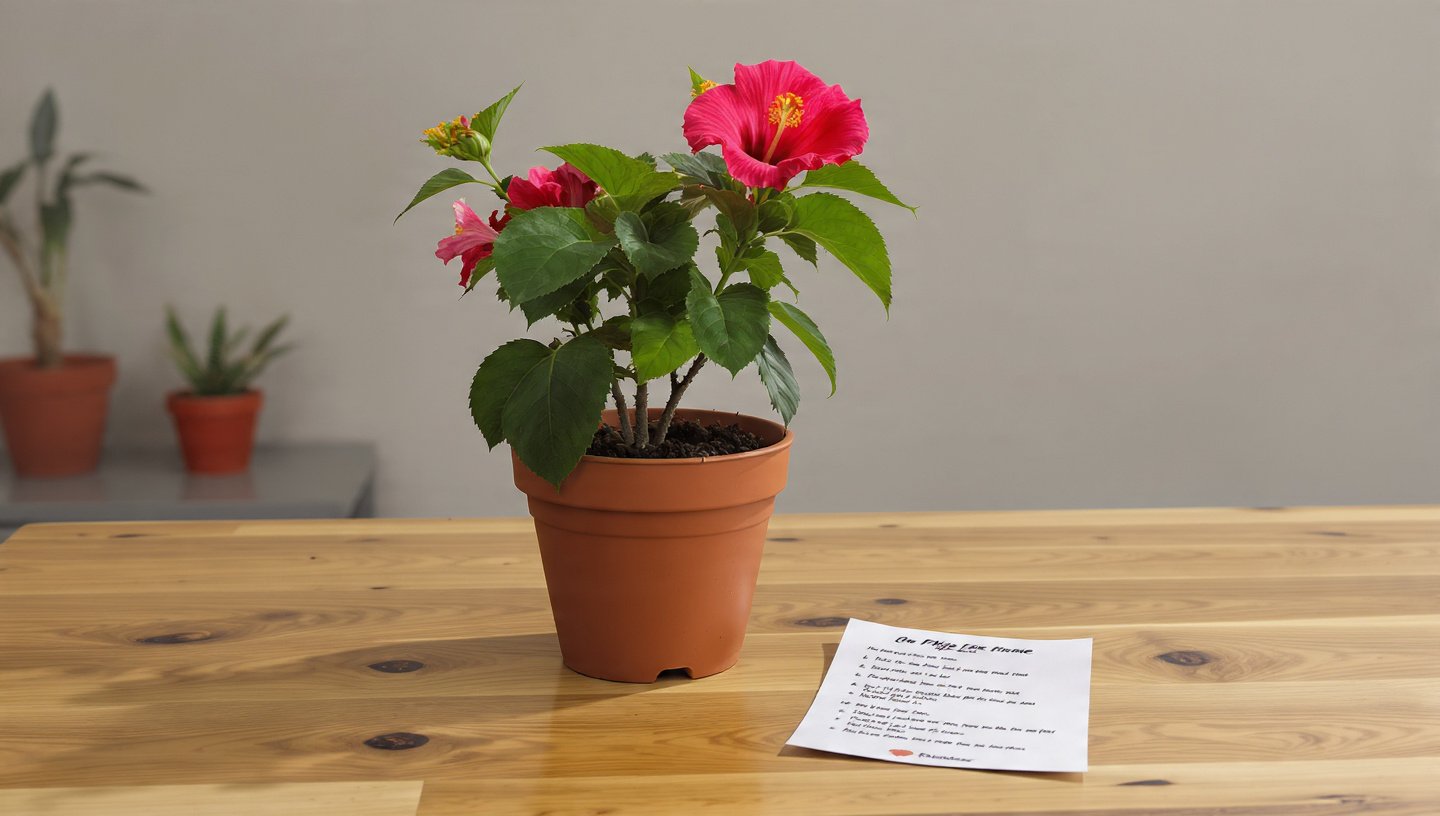
Hibiscus plants are known for their stunningly vibrant flowers and lush foliage, making them a favorite among gardeners and plant enthusiasts. With their tropical charm, hibiscus can add a touch of the exotic to any garden or indoor space. This guide will provide you with all the essential information on how to successfully grow hibiscus at home, including methods, care tips, and answers to frequently asked questions.
Why Grow Hibiscus?
Hibiscus species are not just beautiful; they also offer a variety of benefits:
Latest Posts
- How to Use Invisible Wire for a Stunning Climbing Plant Wall
- Are Your Garden Tools Making Your Plants Sick?
- How to Style a Small Studio with Columnar Cacti
- Why Is My Zucchini Shaped Like a Lightbulb?
- How to Protect Your Fruit From Birds Without Nets
- How to Keep Squirrels Away from Your Fruit Trees
- How to Protect Your Fruit from Birds Without Nets
- Why Biochar Is a Game-Changer for Your Kitchen Garden
- Why Some Rare Cacti Bloom Only One Night a Year
- How to Grow Rare Blue Strawberries at Home
- Aesthetic Appeal: The large, showy flowers come in various colors, including red, pink, orange, yellow, and white.
- Cultural Significance: In many cultures, hibiscus symbolizes beauty and passion. It is often used in traditional ceremonies and events.
- Medicinal Properties: Some varieties of hibiscus are known for their health benefits, including aiding digestion and lowering blood pressure.
- Attracts Pollinators: Hibiscus is a beneficial plant in the garden, attracting bees, butterflies, and hummingbirds.
Selecting the Right Hibiscus
Before you start planting, it’s essential to choose the right hibiscus type for your space and climate. There are numerous species and hybrids, each with unique growth habits and requirements.
Common Types of Hibiscus
-
Hibiscus rosa-sinensis (Chinese Hibiscus): This is the most popular species for ornamental use. It can grow into a shrub or tree and typically blooms in various colors.
-
Hibiscus syriacus (Rose of Sharon): Known for its ability to thrive in diverse conditions, this plant can grow upwards of 8-12 feet, making it an excellent choice for hedges.
-
Hibiscus coccineus (Scarlet Hibiscus): This species features striking red flowers and is often found in wetlands.
-
Tropical Hibiscus: Typically grown indoors or as annuals in colder climates, tropical hibiscus requires warm temperatures and plenty of sunlight.

Growing Hibiscus: Step-by-Step Guide
Step 1: Choosing the Right Location
Hibiscus plants thrive in full sun—ideally, they should receive at least 6-8 hours of direct sunlight daily. When selecting a location:
- Outdoors: A spot with filtered sunlight or partial shade can work, especially in hot climates.
- Indoors: Place hibiscus near a south or west-facing window for optimal light exposure.
Step 2: Soil Preparation
Hibiscus prefers fertile, well-draining soil with a slightly acidic to neutral pH (6.0 to 7.0). Here’s how to prepare the soil:
- Amend Soil: Mix in organic compost or well-rotted manure to improve soil fertility and drainage.
- Soil Test: Consider using a soil test kit to determine the pH level and nutrient content.
Step 3: Planting Hibiscus
When it’s time to plant:
-
Timing: The best time for planting hibiscus is in spring after the last frost has passed.
-
Propagation: You can propagate hibiscus from seeds or cuttings:
- Seeds: Soak seeds in water for 24 hours before planting in moist potting soil.
- Cuttings: Take 4- to 6-inch cuttings from healthy plants, dip them in rooting hormone, and place them in moist potting mix.
-
Spacing: If planting multiple hibiscus, space them 3 to 4 feet apart to allow for air circulation and growth.
Step 4: Watering
Hibiscus plants require consistent moisture for optimal growth. Here’s how to manage watering:
- Frequency: Water deeply once a week or more often in hotter months. Ensure the top inch of soil is dry before watering again.
- Drainage: Always ensure excess water can drain away to avoid root rot.
Step 5: Fertilization
Regular fertilization encourages healthy growth and blooming.
- Types of Fertilizers: Use a balanced, slow-release fertilizer once in spring and again in midsummer. Fertilizers high in potassium can boost flowering.
- Organic Options: For an organic approach, use fish emulsion or a balanced organic fertilizer.
Step 6: Pruning
Pruning is essential to maintain the shape and health of hibiscus plants.
- When to Prune: Ideally, prune in late winter or early spring before new growth begins.
- How to Prune: Remove dead or weak stems and cut back excessive growth to promote new branching.
Step 7: Pest and Disease Management
Though robust, hibiscus is susceptible to pests and diseases.
- Common Pests: Watch out for aphids, spider mites, and whiteflies. Use insecticidal soap or neem oil for treatment.
- Diseases: Root rot can occur in poorly drained soil. Ensure proper watering and drainage to mitigate this.
Step 8: Winter Care
If you live in a region with cold winters, hibiscus needs special care:
- Outdoor Plants: Cover the base of the plant with mulch to protect the roots. Consider bringing potted hibiscus indoors during freezing temperatures.
- Indoor Plants: Reduce watering in winter months, but keep humidity high, as tropical hibiscus prefers moist environments.
Indoor Hibiscus Care
If you’re growing hibiscus indoors, consider these additional tips:
- Humidity: Indoor air can be dry, especially during winter. Use a humidifier or mist the leaves occasionally.
- Rotation: Rotate the pot regularly to ensure even growth and exposure to sunlight.
Frequently Asked Questions (FAQs)
Q1: How often should I water my hibiscus?
A1: Water your hibiscus deeply once a week or more often during hot weather. Always check the top inch of the soil; if it’s dry, it’s time to water.

Q2: Why are the leaves on my hibiscus turning yellow?
A2: Yellow leaves may indicate over-watering, nutrient deficiencies, or inadequate sunlight. Check your watering routine and ensure the plant is getting enough light.
Q3: When will my hibiscus bloom?
A3: Hibiscus typically blooms in late spring to summer, depending on the species and growing conditions. With the right care, you can expect flowers to appear within a few months of planting.
Q4: Can I grow hibiscus in pots?
A4: Yes, hibiscus grows well in pots. Ensure the container has drainage holes and use well-draining soil. A larger pot will provide the plant with more room to grow.
Q5: How can I promote more blooms?
A5: Regular fertilization, adequate sunlight, and proper watering will help promote more blooms. Additionally, pinching back tips of the stems encourages branching and more flowers.
Q6: Is hibiscus safe for pets?
A6: While hibiscus is not toxic for pets, some animals may experience digestive upset if they ingest the leaves or flowers. It’s best to keep plants out of reach if you have curious pets.
Conclusion
Growing hibiscus at home is both rewarding and enjoyable. With the right care, these beautiful plants can flourish in your garden or indoor space, providing stunning blooms and a tropical vibe. By following this guide and addressing the FAQs, you’ll be well-equipped to create a thriving hibiscus environment that you and your guests can marvel at for years to come. Happy gardening!