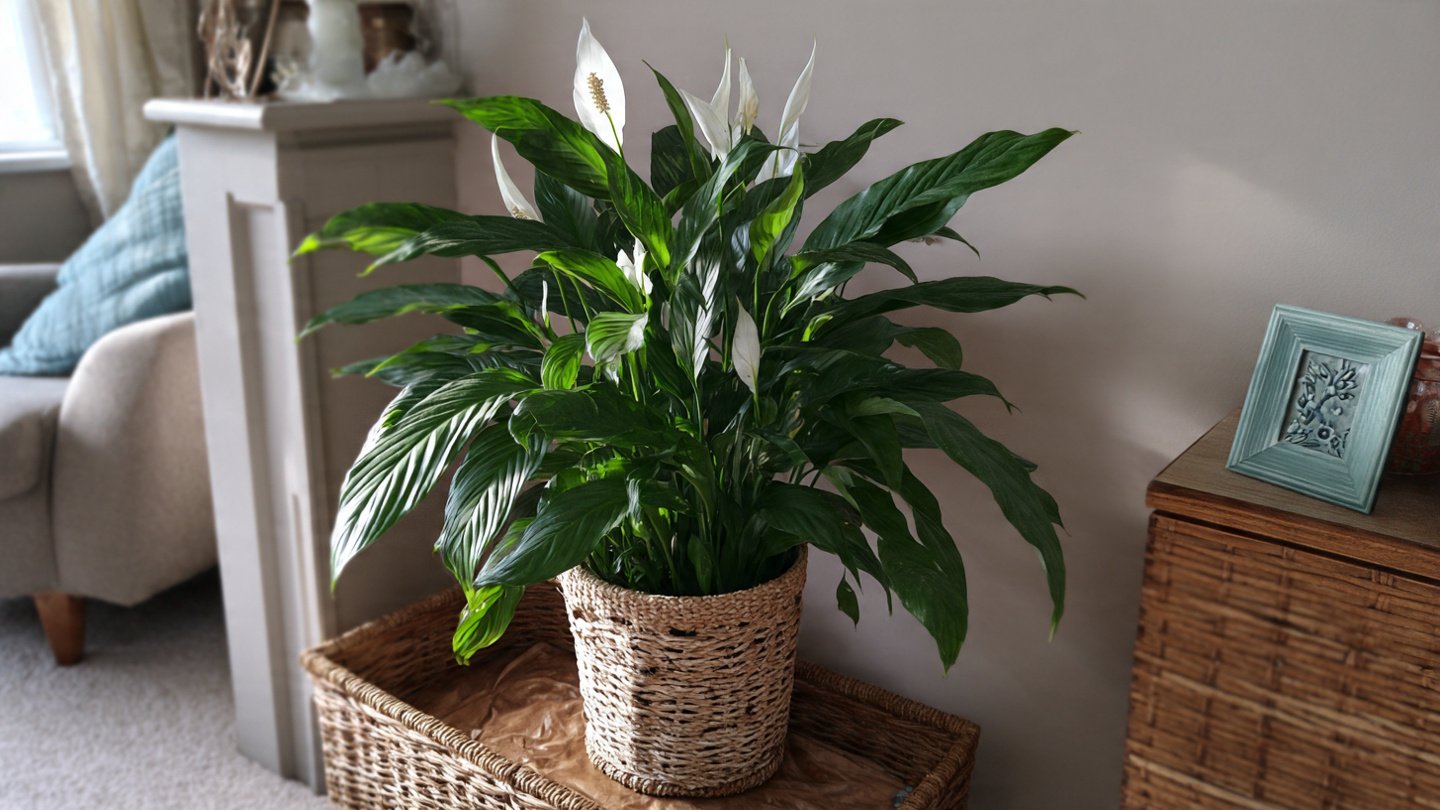
Growing houseplants can transform your indoor environment, and the Peace Lily (Spathiphyllum) shines brightly amongst the favorites. Known for its striking white flowers and lush green foliage, the Peace Lily not only elevates your décor but also acts as a natural air purifier. Here, we’ll unlock the secrets to successfully growing Peace Lilies indoors, offering you practical tips and techniques that will ensure your plant thrives.
The Allure of Peace Lily
Peace Lilies boast glossy, dark green leaves and elegant white blooms that can last for several weeks. They are native to tropical rainforests of the Americas, which means they thrive in humid, low-light environments. This makes them an ideal choice for indoor gardening. Besides their aesthetic appeal, studies have shown that Peace Lilies can remove harmful toxins like formaldehyde and benzene from the air, making them a popular choice for homes and offices.
Latest Posts
- How to Use Invisible Wire for a Stunning Climbing Plant Wall
- Are Your Garden Tools Making Your Plants Sick?
- How to Style a Small Studio with Columnar Cacti
- Why Is My Zucchini Shaped Like a Lightbulb?
- How to Protect Your Fruit From Birds Without Nets
- How to Keep Squirrels Away from Your Fruit Trees
- How to Protect Your Fruit from Birds Without Nets
- Why Biochar Is a Game-Changer for Your Kitchen Garden
- Why Some Rare Cacti Bloom Only One Night a Year
- How to Grow Rare Blue Strawberries at Home
1. Selecting the Right Location
Light Requirements
Peace Lilies are adaptable but prefer indirect sunlight. Direct exposure to sunlight can lead to scorched leaves, while too little light can result in stunted growth and fewer blooms. A spot near a north or east-facing window is often ideal. If adequate natural light is unavailable, consider using fluorescent grow lights.
Checking Humidity Levels
Since Peace Lilies come from tropical regions, they thrive in humid conditions. If your home is particularly dry, especially during winter, consider placing a humidifier nearby or using a pebble tray filled with water. Regular misting can also help, but avoid letting water sit on the leaves, as this can encourage mold growth.
2. Potting Essentials
Choosing the Right Soil

Select a well-draining potting mix that retains some moisture but allows excess water to escape. A mix designed for aroids or houseplants, often consisting of peat, pine bark, and perlite, works wonders for Peace Lilies.
Pot Size and Material
When potting, choose a pot that is slightly larger than the root ball of your plant. This gives the roots space to grow without causing water to collect at the bottom, which could lead to root rot. Terracotta pots provide good aeration, while plastic pots tend to retain moisture. Both can work well if you monitor watering closely.
3. Watering Techniques
When to Water
Watering is one of the most crucial aspects of caring for a Peace Lily. A general rule of thumb is to check the top inch of soil; if it feels dry, it’s time to water. Over-watering can lead to root rot, while under-watering can cause distress in the plant, indicated by drooping leaves.
How to Water
When you water, do so thoroughly until it drains out of the bottom of the pot. This ensures the entire root ball is hydrated. Make sure to discard any excess water that collects in the saucer to prevent soggy roots.
4. Fertilizing Your Peace Lily
Types of Fertilizers

Peace Lilies benefit from regular feeding during the growing season (spring and summer). A balanced, water-soluble fertilizer, diluted to half strength, is recommended. Look for an N-P-K ratio of 20-20-20 or similar.
Timing and Frequency
Fertilize every 6-8 weeks during the growing season. Reduced fertilization is advisable during fall and winter when the plant’s growth naturally slows. Over-fertilizing can lead to leaf burn or reduced blooming, so less is often more.
5. Pruning and Repotting
When to Prune
Regular pruning helps maintain the shape and health of your Peace Lily. Remove yellowing leaves or spent flowers at the base to encourage new growth. Use sterilized scissors to prevent introducing pathogens to the plant.
Understanding Repotting Needs
If your Peace Lily becomes root-bound (roots growing out of the drainage holes), it’s time to repot. Generally, this should be done every 1-2 years. Choose a new pot that is 1-2 inches larger in diameter to allow for growth. Repotting in spring is ideal as it coincides with the plant’s active growing period.
6. Identifying Pests and Diseases
Common Pests

Peace Lilies are relatively pest-resistant but can attract spider mites, aphids, and mealybugs. Regularly inspecting the plant and maintaining proper humidity can help prevent infestations. If pests are noticed, a gentle rinse under lukewarm water can help, or you can use insecticidal soap as a last resort.
Diseases to Watch For
Root rot is a common issue, often caused by over-watering or poorly draining soil. Signs include yellowing leaves or a general droopiness. If root rot occurs, you may need to remove affected roots and repot the plant in fresh soil.
7. Propagation Techniques
Methods of Propagation
Peace Lilies can be propagated via division. This is best done during repotting. Gently separate the root ball into smaller sections, ensuring each section has a few leaves and at least one root. Plant these divisions in smaller pots filled with appropriate soil mix.
Aftercare for Propagated Plants
Place newly propagated sections in a warm, humid environment, and keep them out of direct sunlight until they establish roots. Water gently as needed, keeping an eye on moisture levels.
8. Promoting Blooms
Factors Influencing Flowering

For many, the true beauty of the Peace Lily lies in its blooms. To encourage flowering:
- Light: Ensure adequate indirect light.
- Fertilization: Support blooming through balanced fertilizer applications in the growing season.
- Temperature: Maintain a consistent temperature between 65°F and 85°F (18°C – 29°C).
Patience is key; some Peace Lilies may take years to bloom, while others can flower multiple times a year.
FAQs
Q1: How often should I water my Peace Lily?
A: Generally, water your Peace Lily when the top 1-2 inches of soil feels dry. This usually translates to once a week but can vary based on humidity and temperature.
Q2: Why are the leaves on my Peace Lily turning yellow?
A: Yellow leaves may indicate overwatering, underwatering, or nutrient deficiencies. Inspect the root system and adjust your care routine accordingly.
Q3: Can I grow Peace Lilies in low light?

A: Yes, Peace Lilies can tolerate low light, but they will thrive better and bloom more in bright, indirect light.
Q4: How do I increase humidity for my Peace Lily?
A: Increase humidity through regular misting, grouping plants together, using a humidifier, or placing a tray of water with pebbles beneath the pot.
Q5: When is the best time to repot a Peace Lily?
A: Repotting is best done in spring when the plant is actively growing; usually every 1-2 years depending on pot size and root growth.
Q6: What should I do if my Peace Lily stops blooming?
A: Ensure it receives adequate light, check for pests, and adjust fertilization if necessary. Sometimes, Peace Lilies may need a rest period before blooming again.
Conclusion
With the right care, Peace Lilies can thrive indoors, bringing beauty and a sense of tranquility to your living space. From selecting the right location to understanding its watering needs and identifying potential pests, following these straightforward techniques will set you on the right path to becoming a successful Peace Lily parent. Embrace the journey of indoor gardening and watch your Peace Lily flourish!